

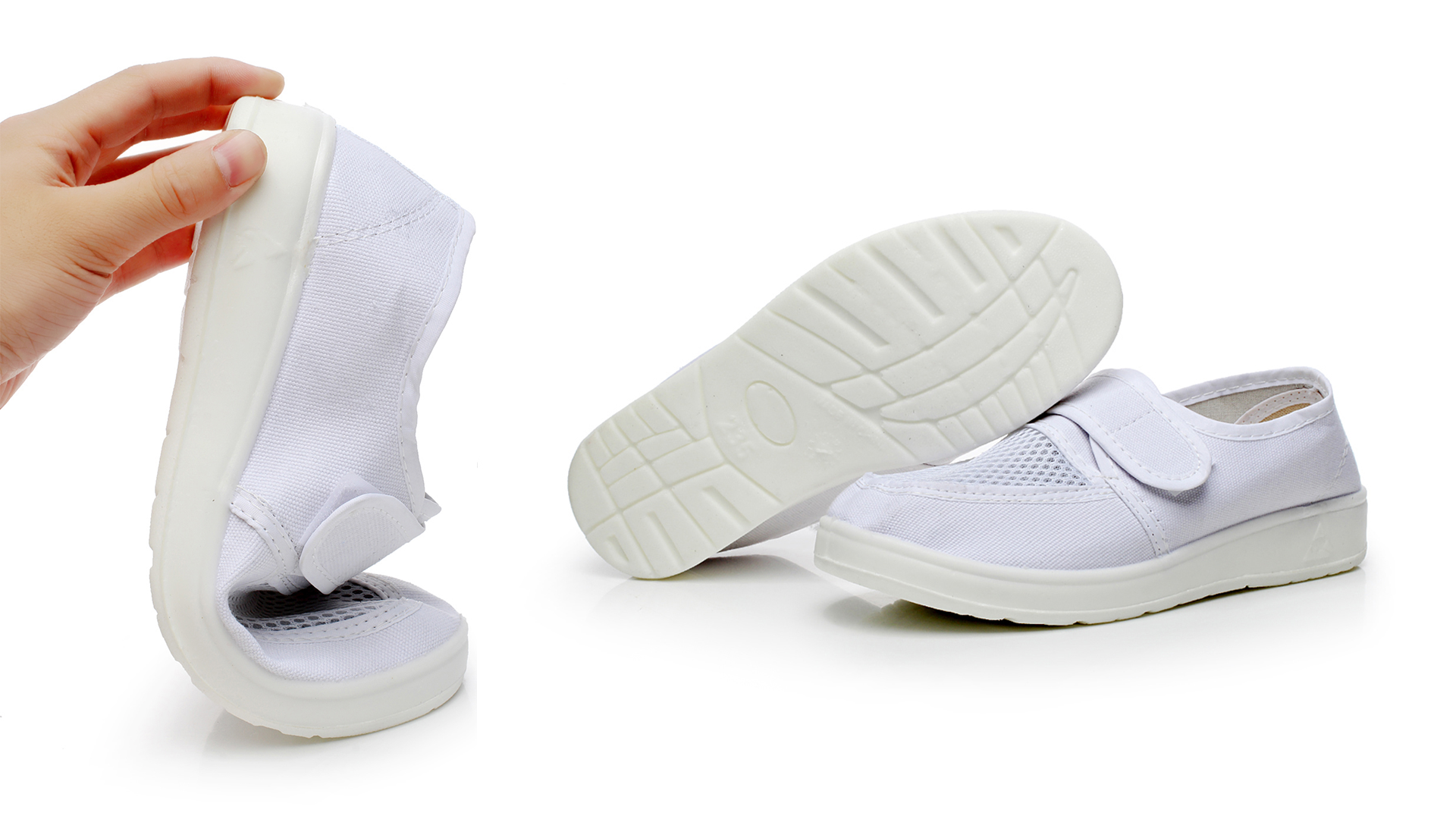
Why Your ESD Shoes Fail Earlier Than You Think And How to Make Them Last
The Test Data What We Found We tested 100 pairs of ESD shoes from operators on electronics assembly lines. Each shoe was tested using a footwear tester. The operator stood on a metal plate while wearing the shoe with their normal socks and insoles. Shoe age Number tested Pass rate Fail rate 0‑3 months (new) 20 95% 5% 3‑6 months 20 90% 10% 6‑9 months 30 77% 23% 9‑12 months 20 65% 35% 12‑18 months 10 50% 50% Shoes older than 12 months had only a 50 percent chance of passing. The most common failure age was between 9 and
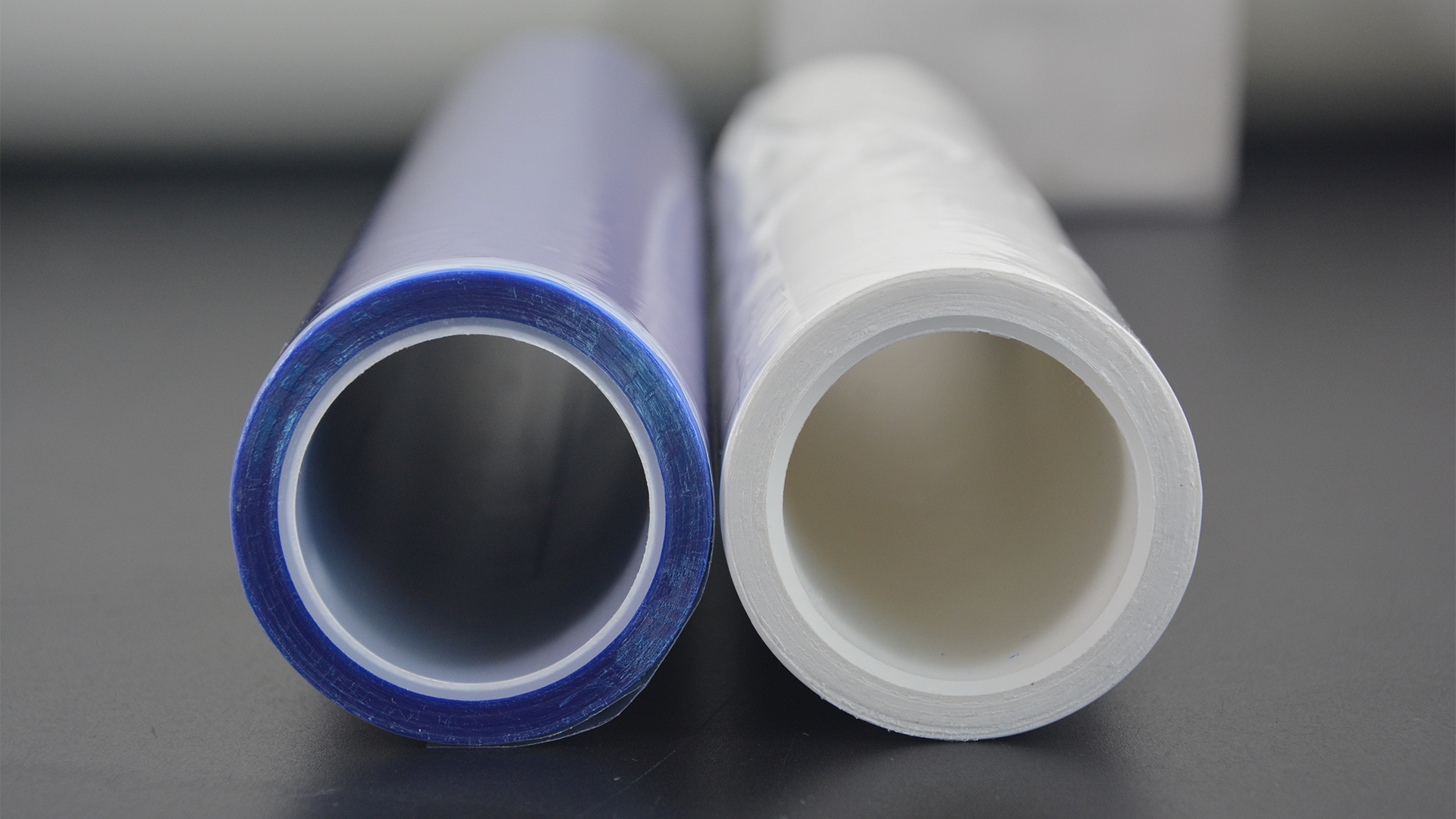
The First Line of Defense at Your Cleanroom Entrance – Are You Using It Correctly
One Real Test Data What a Good Sticky Mat Can Do We tested a standard high tack sticky mat (30 layers blue white alternating 18 by 36 inches). We simulated normal walking and measured particle removal efficiency for particles 5 microns and larger every 50 steps. Steps on same layer Particle removal efficiency Status 0 fresh layer 96 percent Excellent 50 steps 94 percent Good 100 steps 91 percent Good 150 steps 88 percent Acceptable 200 steps 85 percent Critical 250 steps 81 percent Peel recommended 300 steps 77 percent Must peel 400 steps 68 percent Failed Key findings: The optimal
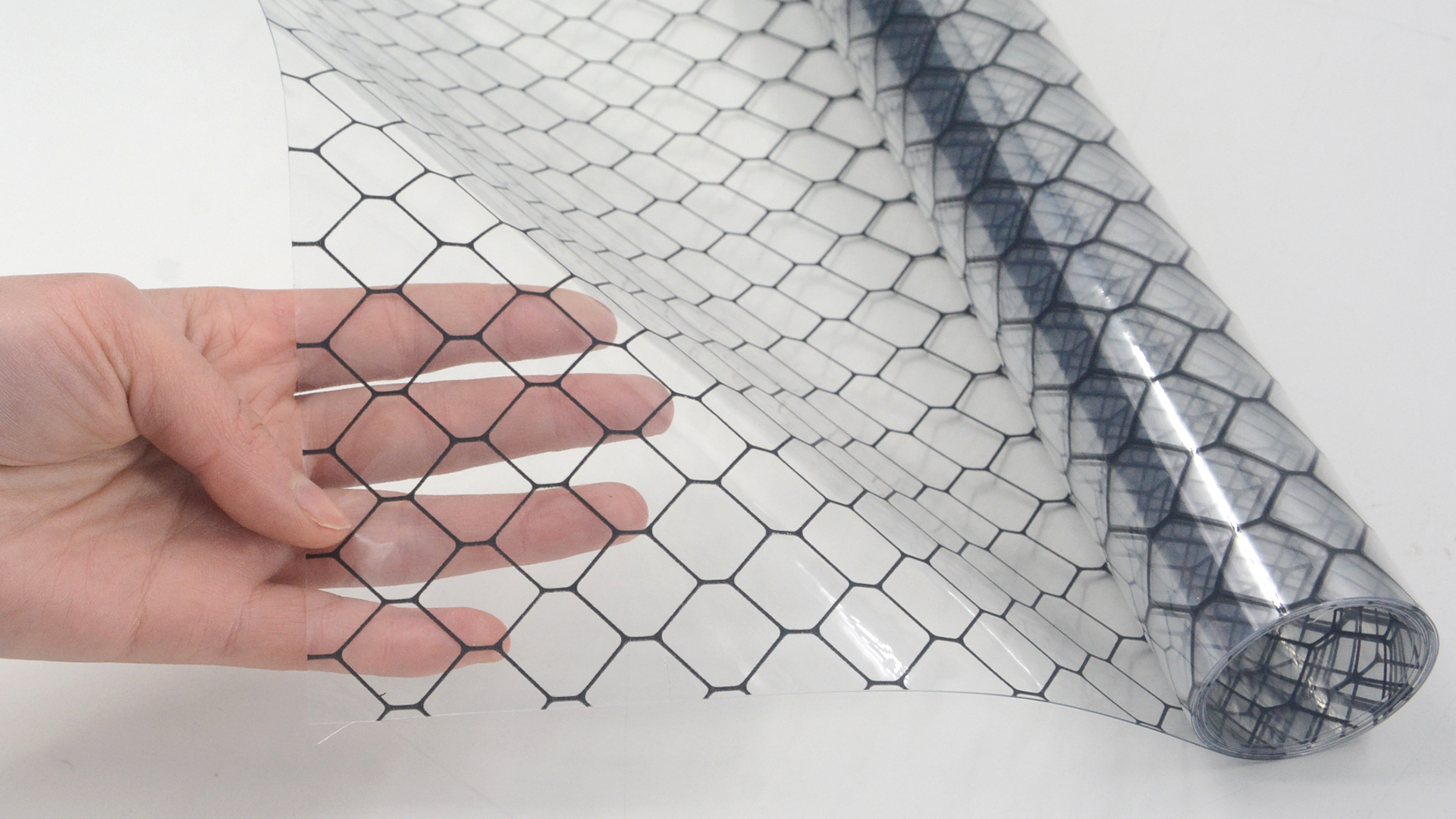
PVC Grid Curtain: The Essential Anti‑Static Barrier for Cleanrooms and Electronics Manufacturing
What is a PVC Grid Curtain A PVC grid curtain is a strip door made from flexible polyvinyl chloride material. The curtain consists of overlapping strips or a solid sheet. A conductive grid pattern is printed or embedded into the PVC. This grid provides the anti‑static property. The curtain hangs from an aluminium or stainless steel track. It allows people, carts, and forklifts to pass through easily. After passage, the strips fall back into place, maintaining separation. Key characteristics: Transparent – visibility through the curtain Flexible – withstands impacts without damage Anti‑static – drains static charge safely Easy to clean
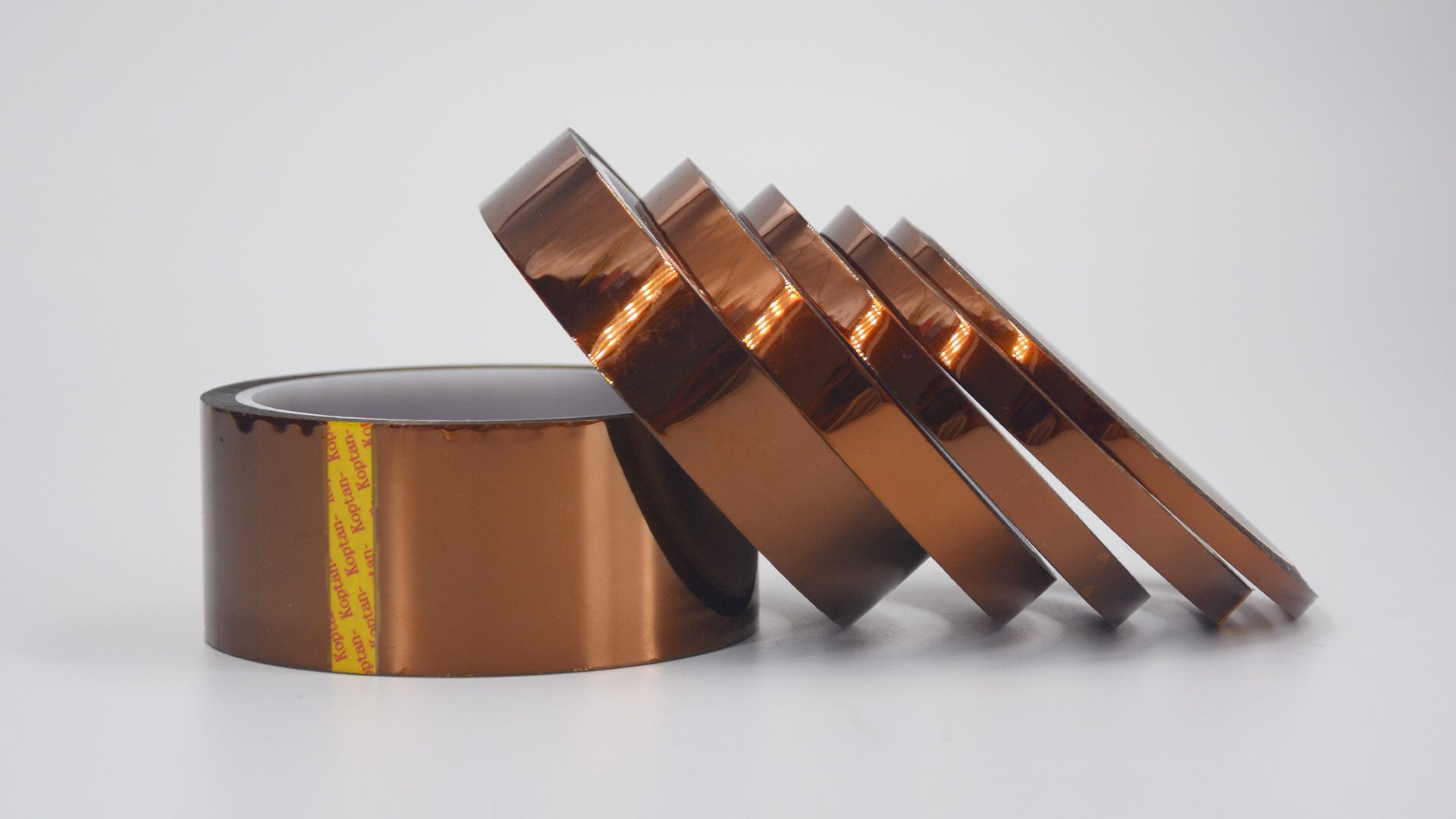
Dust Removal Tape: The Invisible Guardian from Daily Cleaning to Precision Manufacturing
How It Works: Not All Tape Removes Dust Standard adhesive tape has a clear drawback when used for dust removal: the sticky side faces inward, requiring manual folding. Professional dust removal tape is designed with the adhesive side facing outward, allowing it to be rolled directly over the surface to pick up particles. The core mechanism is pressure‑sensitive adhesion: When light pressure is applied, the adhesive layer contacts the surface of dust particles. Because the adhesion between dust particles and the substrate is usually weak, When the tape is lifted, the particles are preferentially pulled away by the tape. But “sticking well”
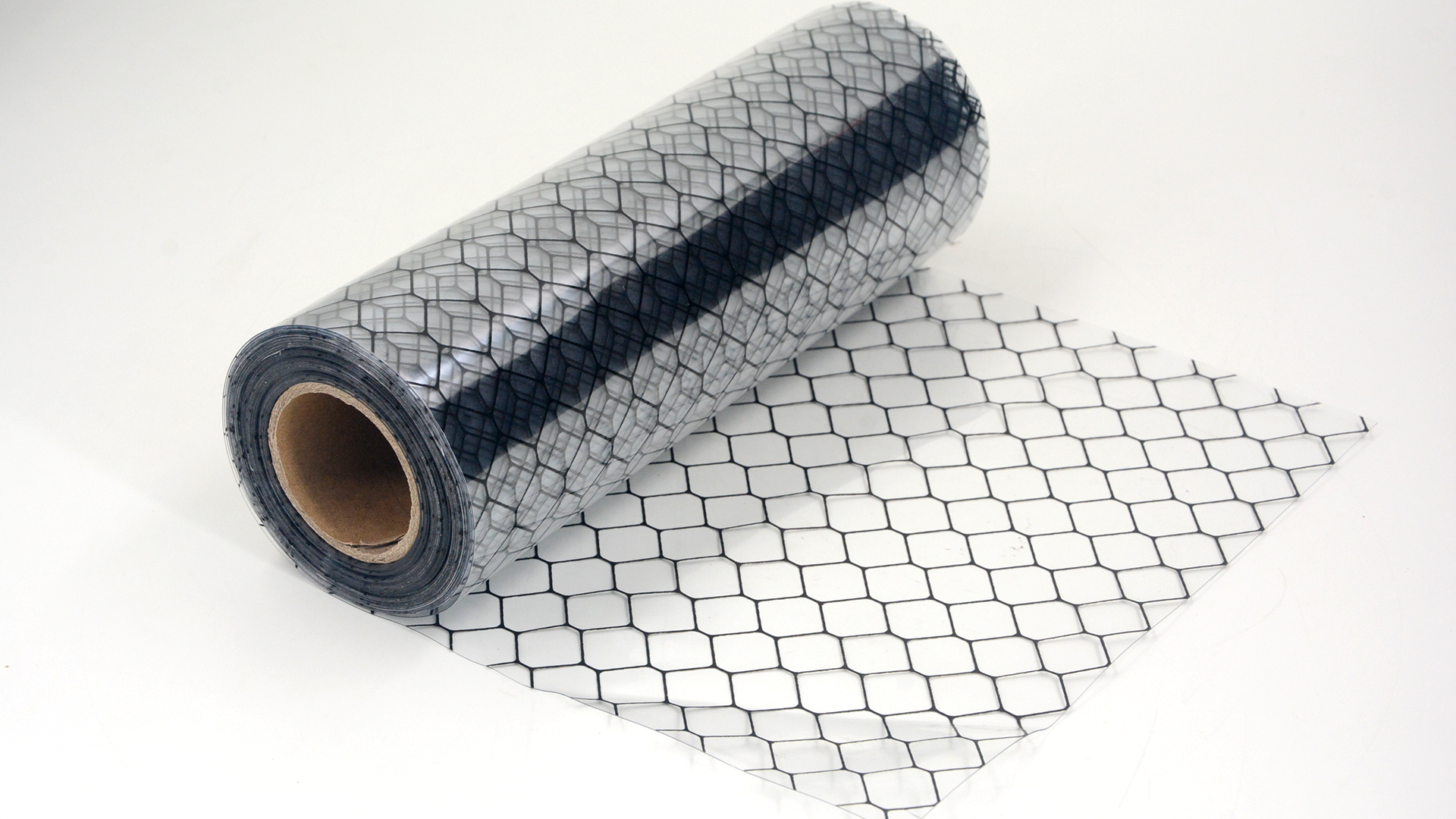
PVC Grid Curtain: The Essential Invisible Barrier and Energy Saver for Cleanrooms
Core working principle – why PVC grid curtains are anti‑static Plain PVC is a good insulator. In electronics or chemical plants, if ordinary soft curtains are not anti‑static, they can generate very high voltages when people or vehicles pass through, discharging static to products or operators. The anti‑static grid curtain works by providing a controlled path for charge dissipation: Conductive grid pattern: Black conductive ink is printed on the PVC film. Surface resistance typically lies between 10⁴ and 10⁶ Ω/□. Charge decay time can be kept below 0.3 seconds, ensuring that any static generated as people and equipment pass through
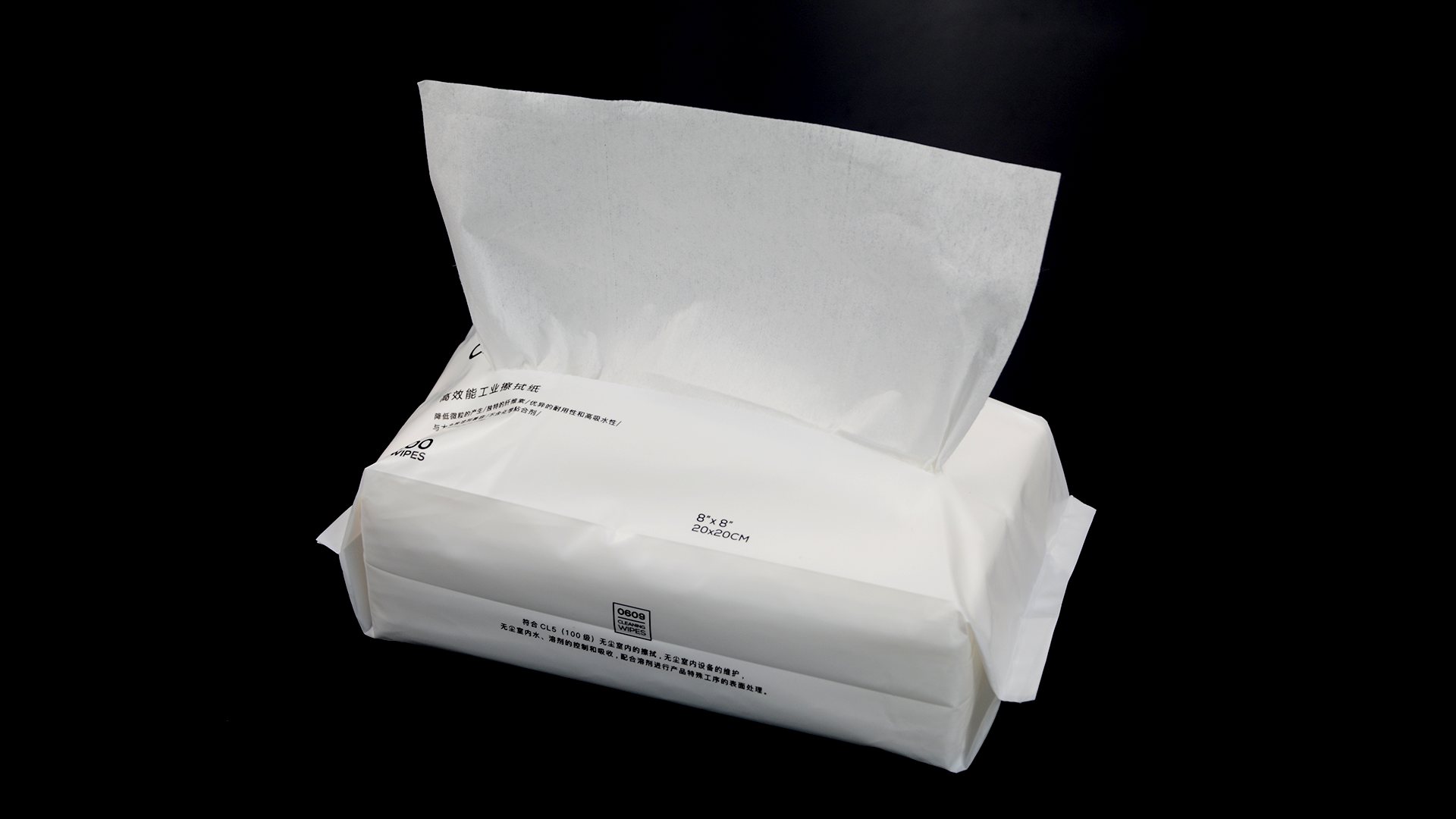
High Performance Industrial Wiping Paper for Cleanrooms Why 20x20cm is the Optimal Size
High performance industrial wiping paper size 20x20cm. Low lint high absorbency disposable. Ideal for wiping solvents oils and general cleaning in ISO 6‑8 cleanrooms. Data inside. What is industrial wiping paper Industrial wiping paper is made from wood pulp and polyester fibers bonded together through a hydroentanglement process. Unlike regular paper towels, which use short fibers and binders, high-performance wiping paper uses continuous filament technology to reduce linting. Key characteristics Property Typical value Material Wood pulp + polyester blend Basis weight 40‑60 g/m² Absorbency 4‑6 times its own weight Lint level Low (but higher than cleanroom wipers) Disposable Yes, single-use
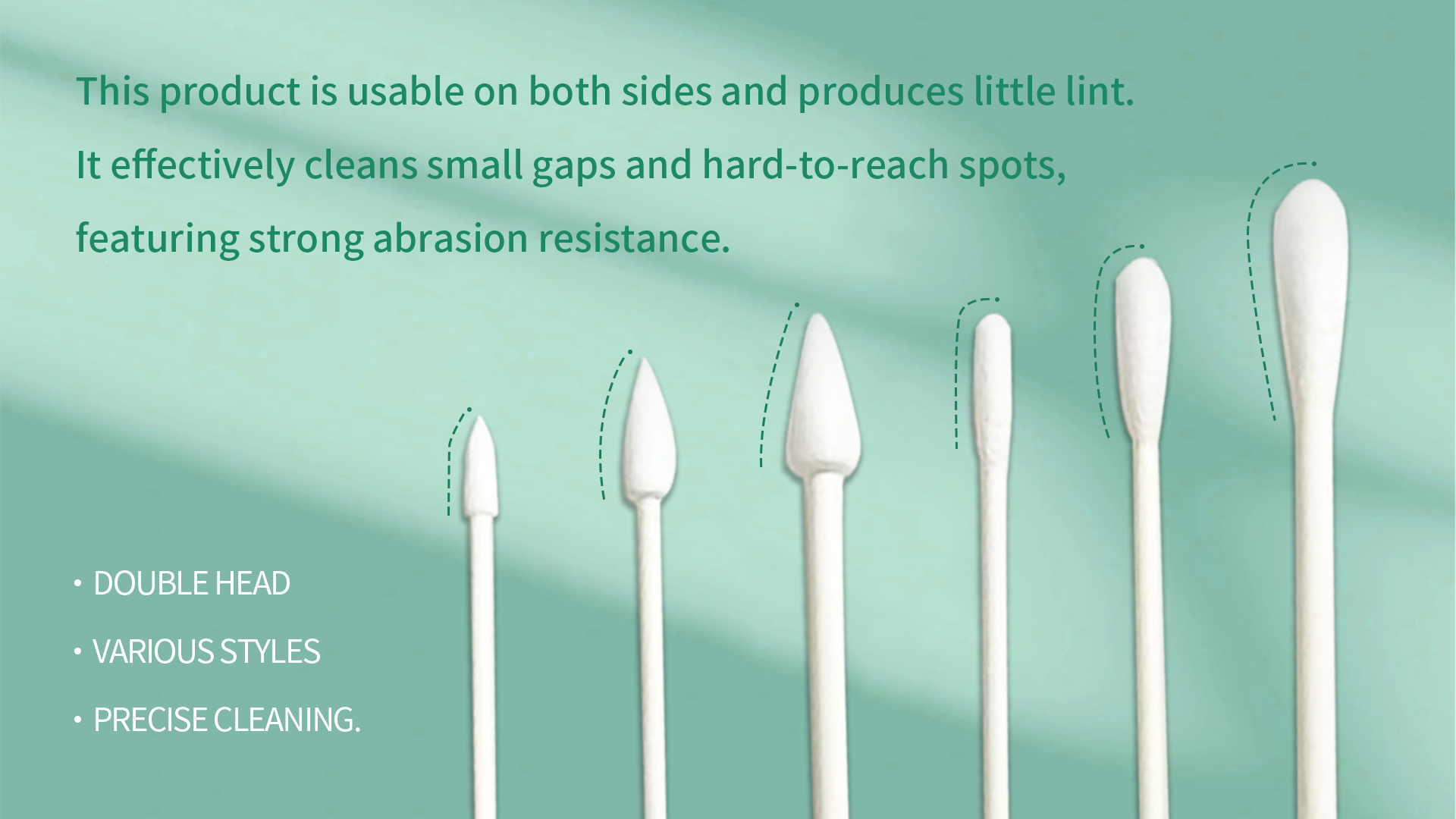
Why Double‑Head Cleaning Swabs Outperform Single‑Ended Tools for Precision Cleaning
Double‑head swabs with low lint, high abrasion resistance, and precise cleaning for small gaps and hard‑to‑reach spots. Various styles available. Real test data inside. What makes double‑head swabs different A double‑head swab has a cleaning tip on both ends of the handle. This simple design change offers three benefits: First, you get two cleaning surfaces per swab. One end for applying solvent, the other for drying. Or one end for rough cleaning, the other for final polish. This cuts swab usage by half. Second, you reduce the risk of cross‑contamination. With a single‑ended swab, operators often flip it over and
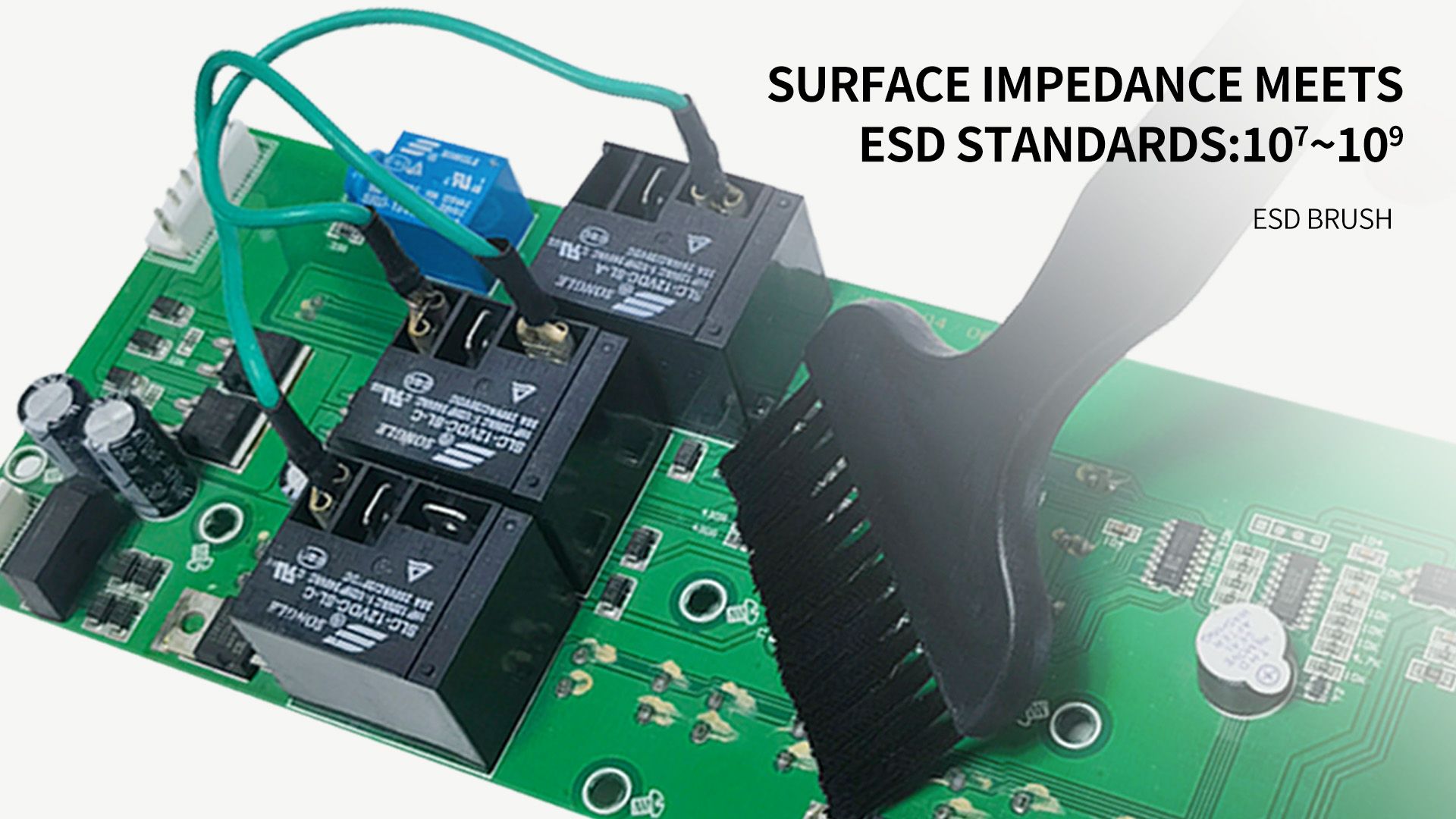
How ESD Brushes Save Microelectronic Components from Hidden Static Damage
Surface impedance of ESD brushes meets 10⁶–10⁹ Ω. Why static dissipative brushes are critical in PCB assembly, wafer handling, and cleanroom cleaning. Data and applications inside. The hidden danger: triboelectric charging When two materials rub together, electrons transfer from one to the other. This is triboelectric charging. A brush bristle rubbing across a PCB or a chip package can generate significant voltage. We measured brush‑generated voltage on a grounded copper plate (simulating a sensitive device) using a static meter. Brush type Bristle material Voltage generated on plate ESD safe? Standard brush (cheap) Nylon 3800 – 5500 V No Anti‑static brush
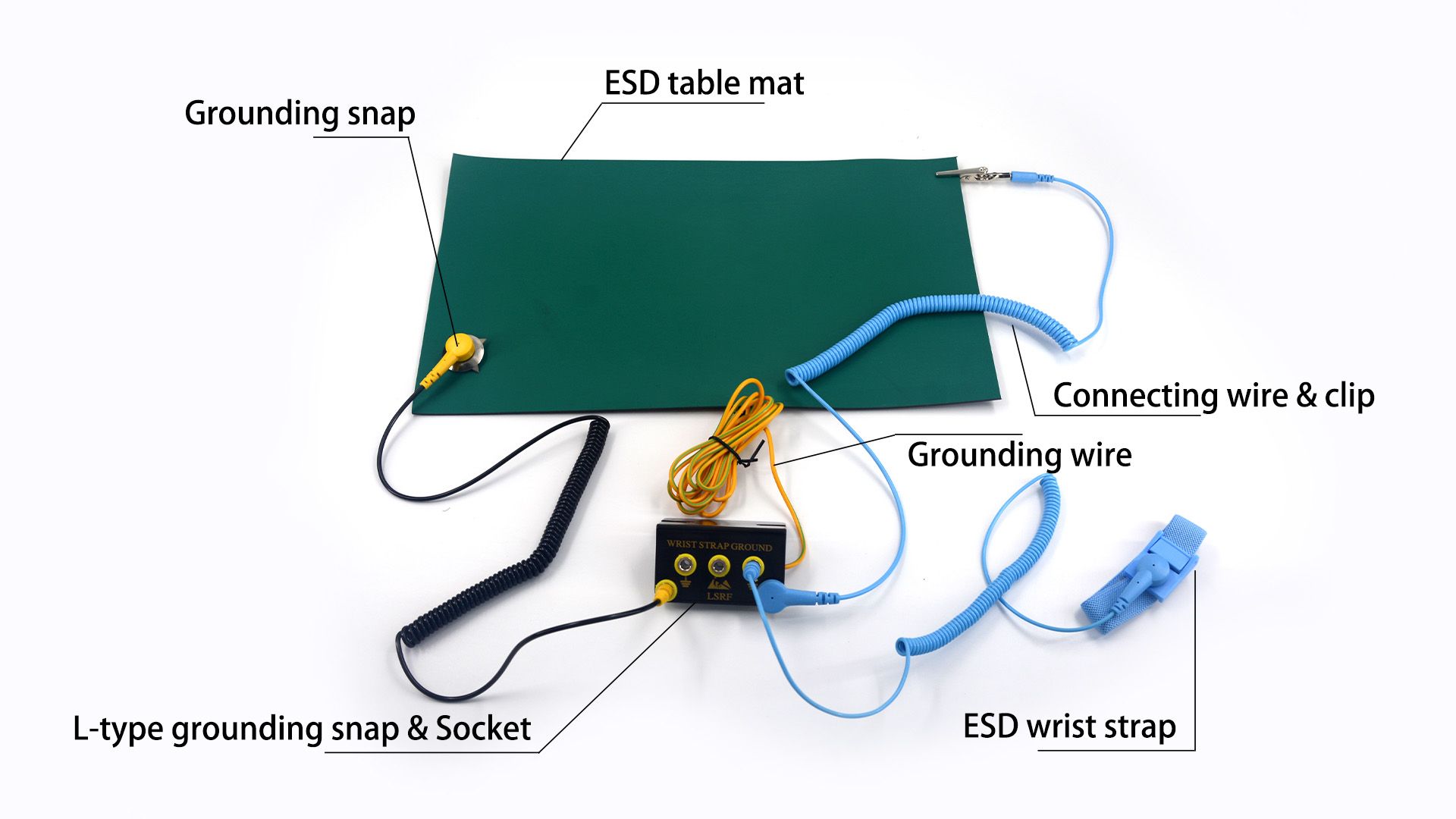
Complete Guide to ESD Grounding Components: From Table Mat to Wrist Strap Configuration
ESD grounding components include anti static table mat, grounding snap, grounding wire, connecting wire with clip, L type grounding snap and socket, and ESD wrist strap. This article explains each part and how to connect them for reliable static protection. Why You Need a Complete Set of ESD Grounding Components In electronics manufacturing, repair, and laboratory environments, a standalone anti static wrist strap or anti static table mat cannot form a complete static discharge path. Body static needs to travel through the wrist strap and grounding wire to the common ground point. Static on the workbench needs to pass through