Lint-free Wipes Knowledge Base
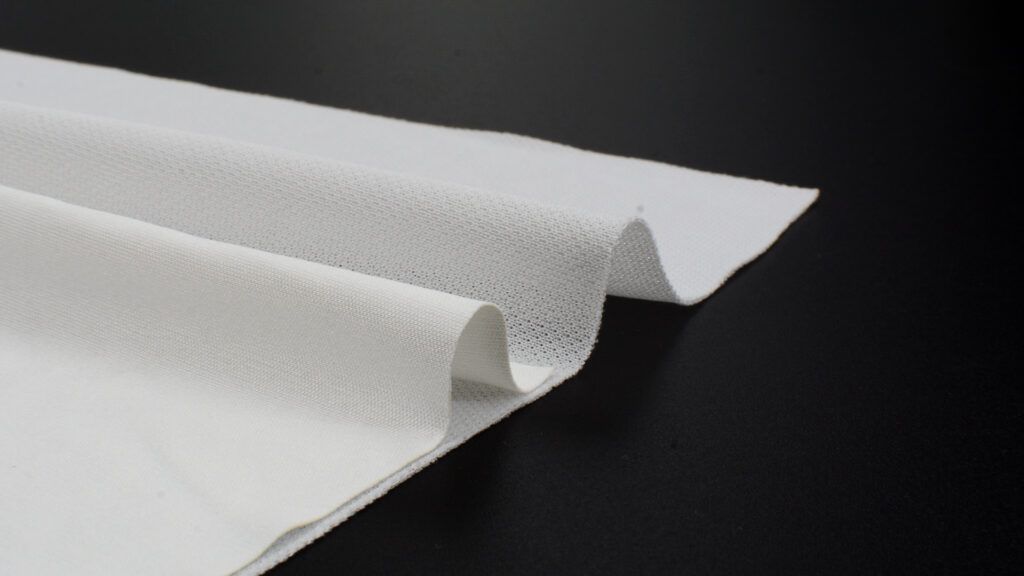
From understanding cleanroom class requirements (Class 100 to Class 10,000) to comparing different materials like polyester and microfiber, this blog covers everything you need to know about lint-free wipes. Learn how to choose the right wipe for precision cleaning, optical lenses, PCB assembly, and pharmaceutical environments. We also share real-world wiping test results, cost-saving strategies, and common mistakes to avoid. Whether you are a procurement specialist, quality engineer, or maintenance technician, you will find actionable insights to improve your cleaning processes and protect sensitive surfaces.

Why Your ESD Floor Is Not Grounded Until You Use the Right Mop
We tested three common cleanroom mop types for electrical continuity, particle generation, and cleaning efficiency. The results show that the mop you choose directly affects your floor’s ESD performance. The three mop types tested Mop type Head material Handle material Claimed ESD property A – Standard cotton mop Cotton yarn Aluminum or plastic None B

Why Customizable Cleanroom Wiper Rolls Save Money and Reduce Waste
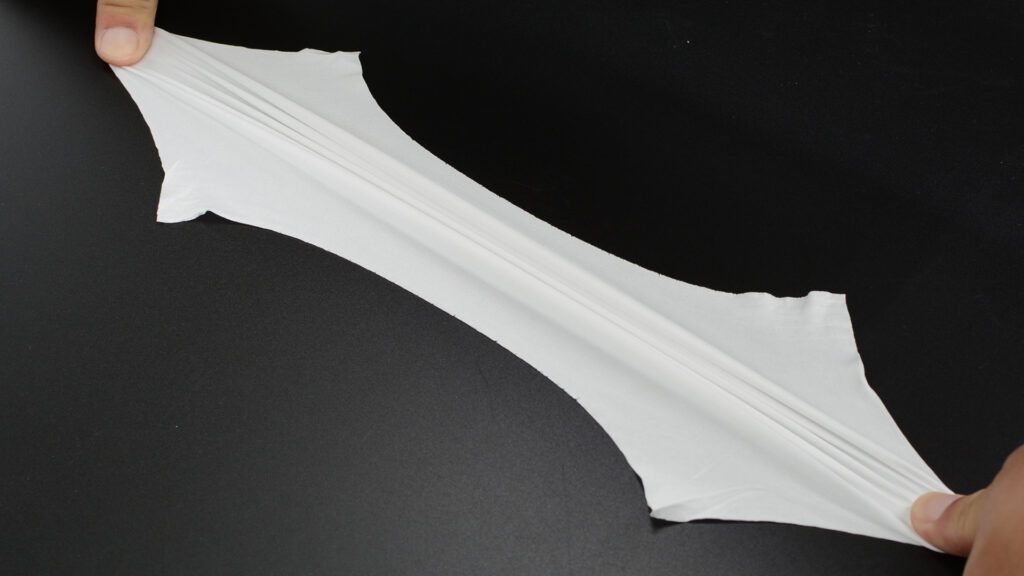
Length, width, mandrel shape, and mandrel dimension – four customizable parameters for cleanroom wiper rolls. Real data shows 30% waste reduction and lower cost per wipe. The four customizable parameters – and why each matters Parameter What it controls Why it matters Length How many meters of wiper material on the roll Determines change‑out frequency.

How Often Should You Change Cleanroom Gloves?
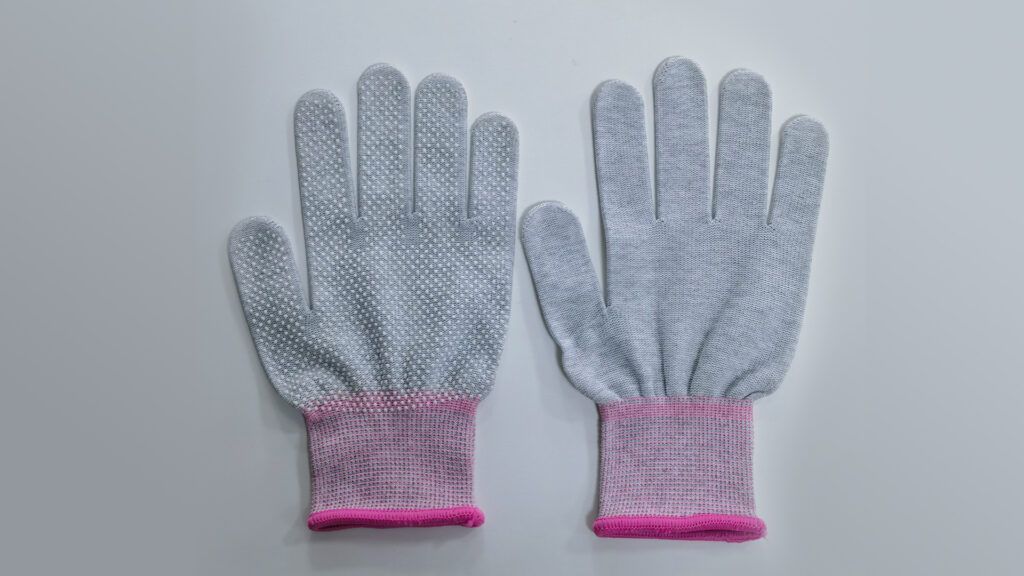
We tracked particle buildup on cleanroom gloves over 4 hours. Glove contamination doubles after 90 minutes. Real data and a simple change schedule to protect your product. How much contamination accumulates on a glove over time? We ran a simple test: ten operators in an ISO 6 cleanroom wore brand‑new nitrile ESD gloves. Every 30

The Ultimate Guide to Contamination Control in Critical Environments
Cleanroom swabs are essential for contamination control in semiconductor, pharmaceutical, and medical device manufacturing. This comprehensive guide covers cleanroom swab types, materials, applications, and selection criteria to help you choose the right tool for your critical environment. Introduction: The Hidden Threat of Contamination In semiconductor fabrication, pharmaceutical production, and medical device manufacturing, the smallest particle

ESD Protective Clothing: The Ultimate Guide to Selection, Use & Maintenance
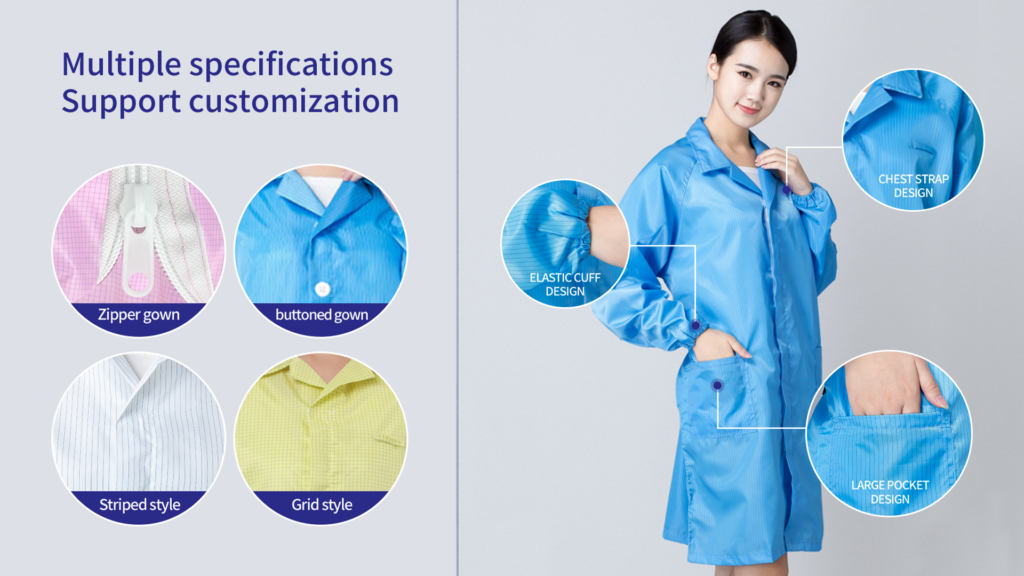
ESD damage costs electronics manufacturers over $50 billion annually. Learn how ESD protective clothing works, key selection criteria (surface resistance, triboelectric voltage), proper usage, and maintenance best practices to safeguard product quality. Introduction: The Invisible Threat to Electronics You’ve probably felt a small static shock when touching a metal door handle. That harmless spark –

The Hidden Enemy of ESD Garments: Improper Laundering (And How to Fix It)
You buy expensive ESD smocks or coveralls. Operators wear them daily. Then you send them to industrial laundry – or worse, wash them at home. After a few months, static failures start appearing. You blame the garment quality. But the real culprit is how you wash them. We tested 50 ESD smocks from three factories.

Why Your ESD Smock May Not Be Grounded (And How to Fix It)
ESD smock grounding failures are common. We tested 50 smocks—24% had snap resistance >1×10⁸ Ω. How to check, fix, and ground your ESD garment correctly. You put on your ESD smock every morning. You clip your wrist strap to the chest snap. You assume static is draining safely to ground. But what if that snap

The Truth About ESD Wrist Straps: Why 30% Fail Your Daily Test
30% of daily‑tested ESD wrist straps fail. Real field data: broken cords, conductive band wear, and false passes. How to find and fix failures in 30 seconds. 1. Real data: 100 wrist straps tested on a live production line We ran a surprise test at a PCBA factory last year: randomly selected 100 operators working

Cleanroom Wipers and Solvents: Compatibility Test Data for IPA, Acetone, and Ethanol
Cleanroom wiper solvent compatibility tested: IPA, acetone, ethanol. NVR after solvent wipe, fiber degradation, and particle release data. Which wiper works with which solvent? Read before you wipe. Many cleanroom operators assume any wiper works with any solvent. That assumption can cost you. We tested three common wiper materials (polyester knit, microfiber, and non‑woven poly‑cellulose)
Full range of cleanroom wiping and protection: wipers / paper / swabs / ESD apparel. Batch-test data on particle shedding, NVR, ions, and ESD is publicly traceable. Reliable, verified, and compliant. View product specs and comparison tables.