What Is GSM and Why It Matters
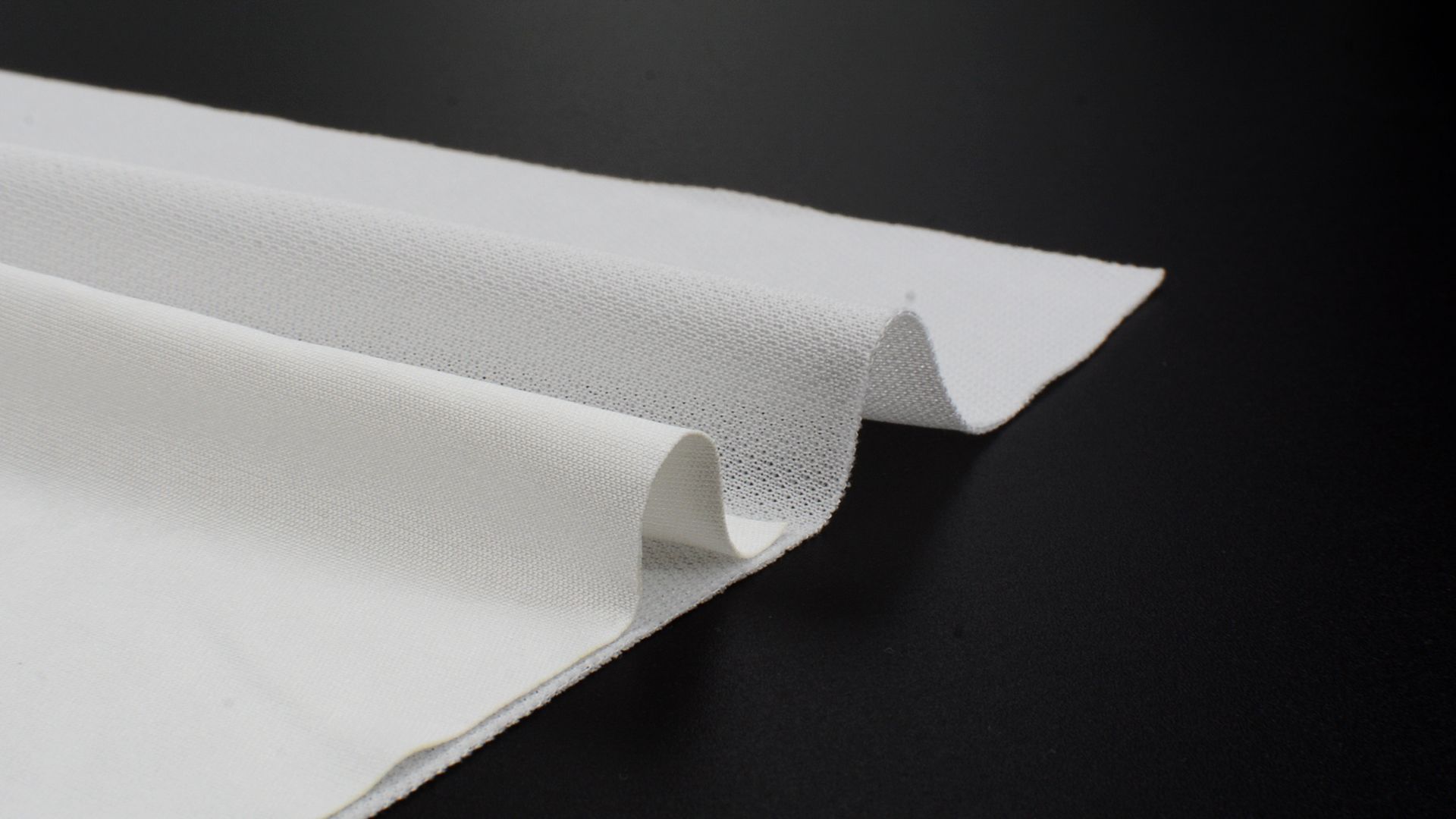
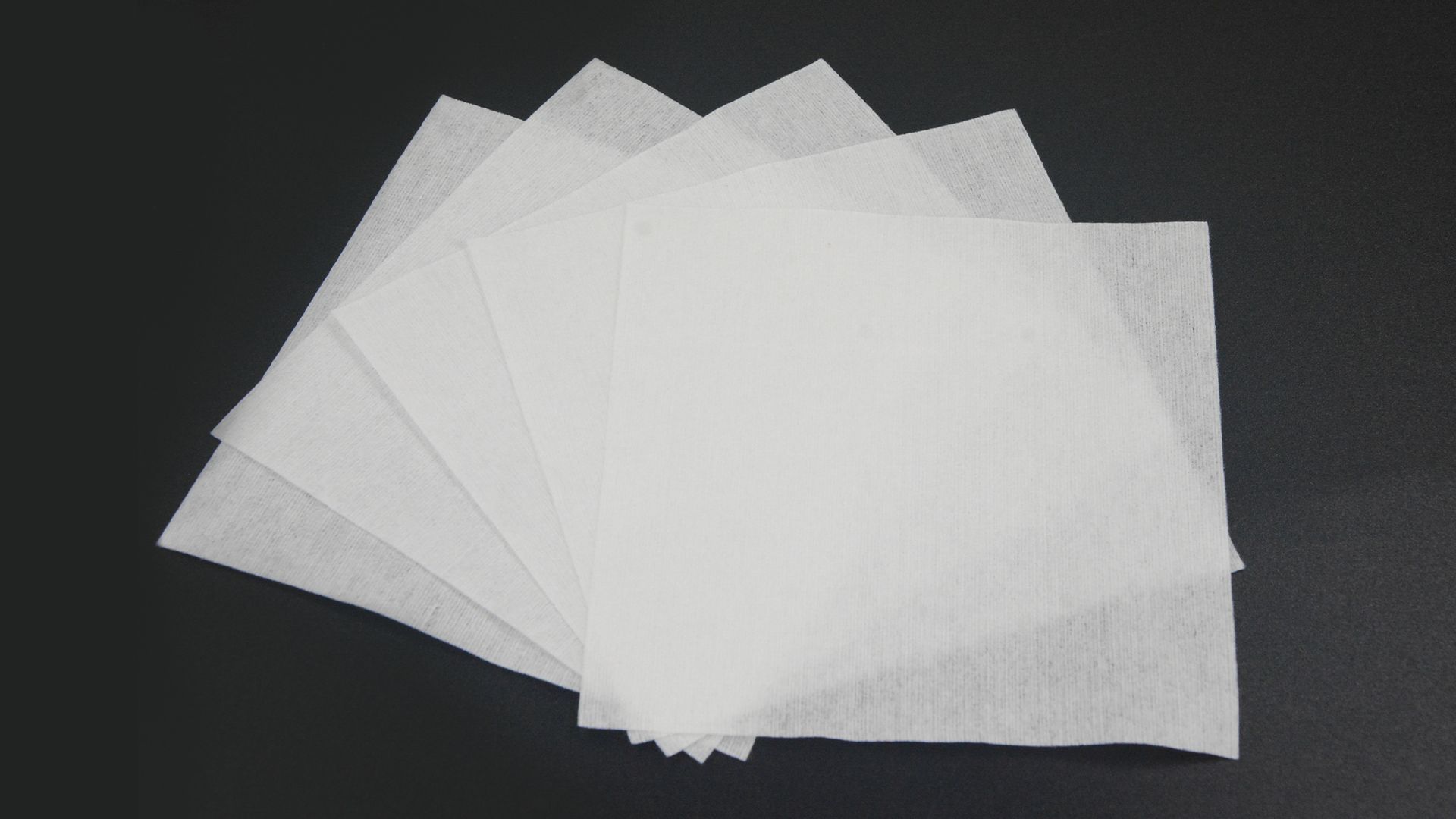
GSM stands for grams per square meter. A 180g wiper is thicker, denser, and more durable than a 105g wiper. It also costs more. The 105g wiper is thinner, softer, and more economical but slightly less abrasion‑resistant.
The key question: Do you really need the heavier wiper on your line
We tested both. Here is the data.
Real Test Data 180g vs 105g
Test conditions Same batch of 80/20 microfiber, ultrasonic edge seal, DI water pre‑laundered, cleanroom packaged. 10 samples per test, median values reported.
1. Particle Shedding (≥0.5μm, particles/m²)
| Weight | Test 1 | Test 2 | Test 3 | Average | ISO 5 reference limit |
|---|---|---|---|---|---|
| 105g | 210 | 225 | 218 | 218 | ≤300 |
| 180g | 165 | 172 | 168 | 168 | ≤300 |
Conclusion Both pass the ISO 5 limit easily, but the 180g wiper sheds about 23 percent fewer particles. For ISO 5 and above precision wiping, 180g is safer. For ISO 6‑8, 105g is sufficient.
2. Absorbency (DI water, g/g)
| Weight | Absorbency | Standard deviation |
|---|---|---|
| 105g | 18.2 | ±1.2 |
| 180g | 24.5 | ±1.5 |
Conclusion The 180g wiper absorbs about 35 percent more liquid. If you frequently clean up spills or need to absorb large amounts of solvent, choose 180g. For light IPA wiping or minor stains, 105g works fine.
3. Abrasion Resistance (after 200 wiping strokes, surface fuzzing)
| Weight | Surface condition after 200 strokes | Particle shedding increase |
|---|---|---|
| 105g | Visible fuzzing, slight edge damage | +78% |
| 180g | Mild fuzzing, edges intact | +22% |
Conclusion If you reuse a wiper multiple times (e.g., cleaning several parts of the same equipment), 180g lasts much longer. 105g is best for single‑use applications.
100 Data Points Summary Which One to Choose
| Application | Recommended weight | Reason | Cost advice |
|---|---|---|---|
| Wafer / lithography chamber wiping | 180g | Lowest particles, no lint, high absorbency | Do not save |
| PCB cleaning before reflow | 105g | Clean enough, low cost, single use | Save |
| Equipment exterior / machine wiping | 105g (can reuse 2‑3 times) | Economical, low abrasion demand | Save |
| Large liquid / oil spill cleanup | 180g | High capacity, fewer wipers needed | Do not save |
| Optical lens / precision mold | 180g (microfiber) | Scratch prevention, tightest particle control | Do not save |
| General lab cleaning | 105g | Best value | Save |
Frequently Asked Questions
Q Does the 105g wiper shed more particles
A Based on our data, 105g shedding is still well below the ISO 5 limit (≤300). For ISO 6‑8 it is perfectly fine. For ISO 5 core areas, use 180g.
Q Can I mix both weights in one order
A Yes. Many customers segregate by zone – 180g for core cleanroom, 105g for support areas. We support mixed orders.
Q Can 105g wipers be reused
A Not recommended. 105g has moderate abrasion resistance. On second reuse particle shedding increases by about 70 percent. 180g can be reused 1‑2 times in non‑critical areas.