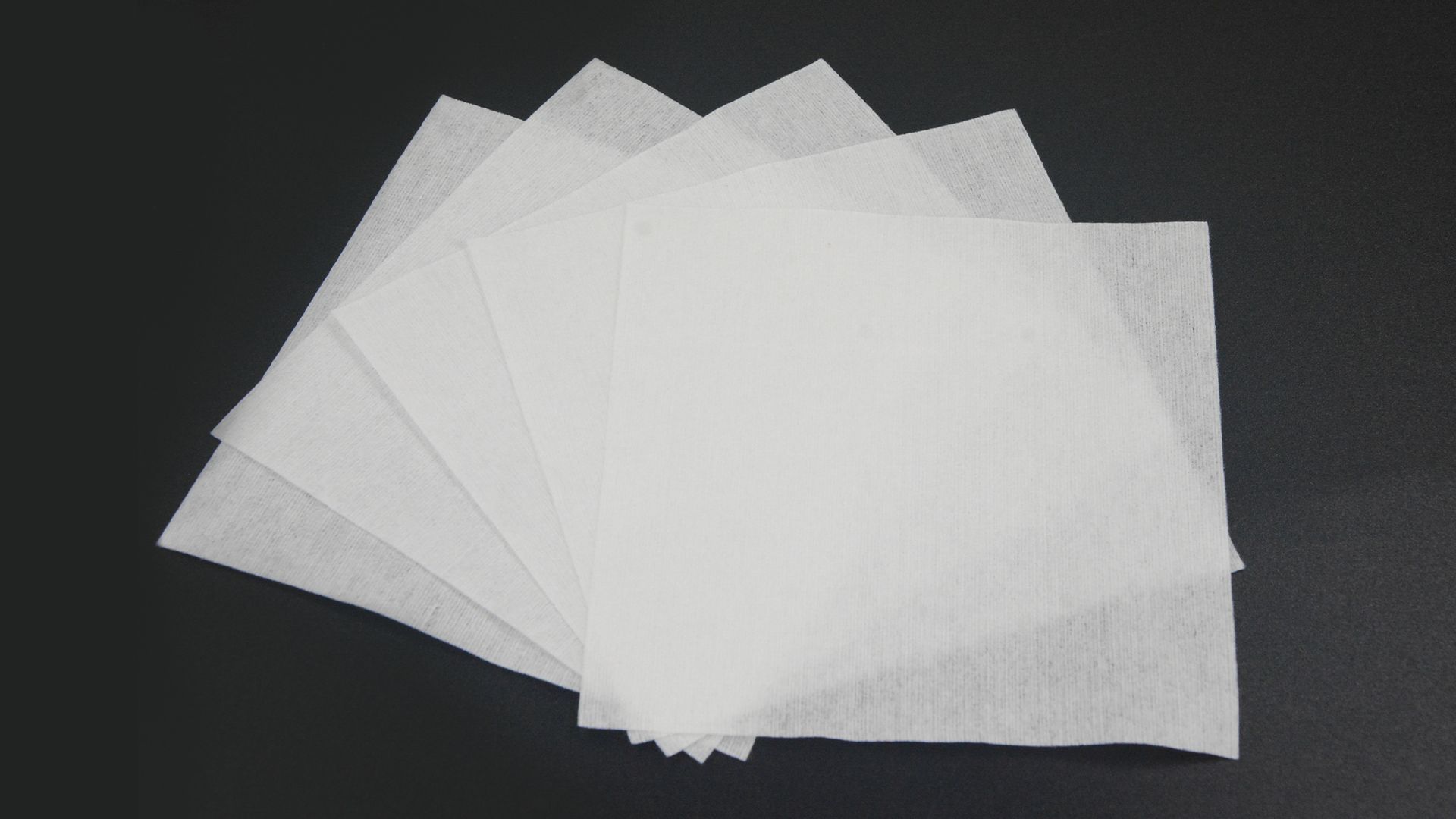
Every procurement manager who has ordered cleanroom paper from China has the same fear: the sample looks perfect, but the bulk shipment sheds lint, jams laser printers, or fails the particle count test on arrival. The problem is not the country of origin — it is the gap between what you specify and what the factory actually ships. This guide shows you exactly how to source anti static cleanroom paper from China without that gap, including the three specification checks that separate a compliant batch from an audit disaster.
What Is Cleanroom Paper and Why Anti-Static Matters
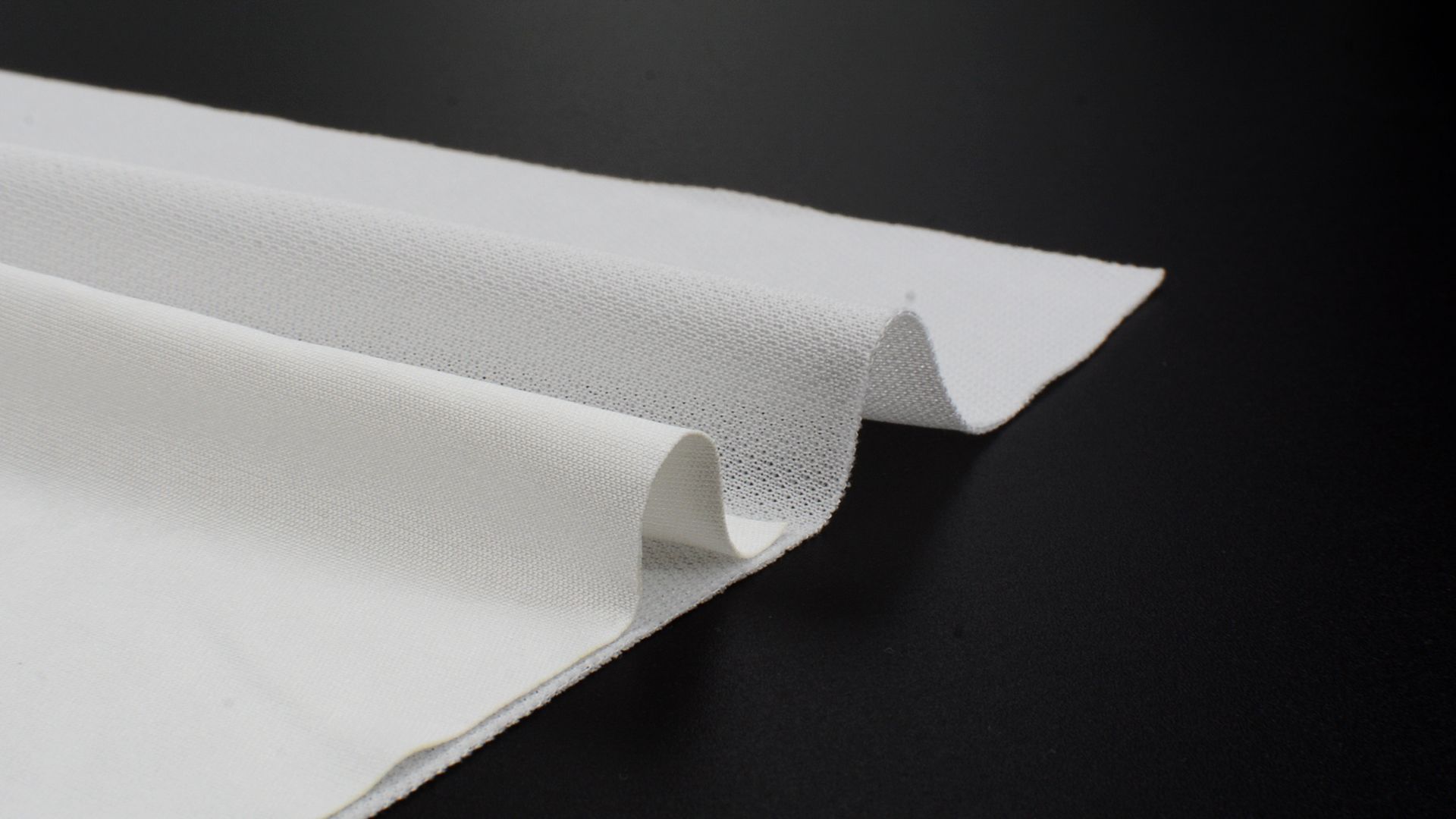
Cleanroom paper — also called cleanroom wiper paper or low-lint copy paper — is engineered for environments where ordinary wood-pulp paper is prohibited. Standard A4 office paper releases thousands of fibres and particles when torn, folded, or fed through a printer. In an ISO Class 5 or better cleanroom, a single 5-micron fibre can destroy a semiconductor die or contaminate a pharmaceutical batch.
Anti-static treatment adds a second layer of protection. Anti static cleanroom paper is surface-treated or fibre-doped with a conductive polymer that dissipates static charge, preventing electrostatic attraction that would otherwise pull airborne particles onto the sheet surface. In electronics assembly and medical device manufacturing, this dual function — low lint plus charge dissipation — is not optional.
Core Definitions and Application Domains
Under industry usage, the term cleanroom paper covers three distinct product categories:
- Cleanroom copy paper: A4/A3 sheets for laser and inkjet printing, typically 70–80 gsm, used for SOPs, batch records, and travellers in ISO Class 5–7 environments.
- Cleanroom wiper paper: Non-woven sheets or rolls used for surface cleaning, spill absorption, and tool wiping in ISO Class 4–6 suites. May be cellulose, polyester, or cellulose-polyester blend.
- Airlaid paper cleanroom: A highly absorbent non-woven structure made from fluff pulp and SAP, used for biological spill control and heavy liquid absorption in pharmaceutical labs.
Key application domains include:
- Semiconductor wafer fabrication and probe testing
- Pharmaceutical filling and packaging (GMP compliance)
- Medical device assembly and sterile packaging
- Data centre server room documentation and hardware handling
- Aerospace optics and precision instrument assembly
Standard Copy Paper vs Cleanroom Paper vs Anti-Static Cleanroom Paper
| Feature | Standard Copy Paper | Cleanroom Paper | Anti-Static Cleanroom Paper |
|---|---|---|---|
| Base material | Wood pulp | Synthetic fibre or treated pulp | Treated pulp + conductive polymer |
| Lint shedding | High | Low (class-rated) | Very low + static-neutral |
| Surface resistance | Insulative (>10¹⁴ Ω) | Insulative or dissipative | Dissipative (10⁶–10¹⁰ Ω) |
| Printer compatibility | All standard | Laser/inkjet compatible | Laser/inkjet compatible, low jam |
| Typical packaging | Ream wrap | Double-bagged, vacuum-sealed | Double-bagged, vacuum-sealed, ion-safe |
| ISO Class suitability | Not suitable | Class 7–8 | Class 5–7 (with cert) |
Most procurement failures happen because the buyer asks for “cleanroom paper” without specifying the anti-static requirement. The factory ships a low-lint sheet that looks correct but carries no surface-resistance test, and the first audit flags the entire EPA as non-compliant.
Things to Check Before You Source Cleanroom Paper from China
Chinese manufacturing can deliver world-class cleanroom paper at a fraction of domestic Western prices — but only if your specification is tight enough to eliminate ambiguity. Here is the three-factor checklist used by tier-1 electronics and pharmaceutical buyers.
1. Paper Base Material and Weight: Match the Application, Not the Price
Not all cleanroom papers use the same substrate. The wrong base material causes printer jams, excessive curling, or lint failure under high-humidity conditions.
- Cellulose-treated base (70–80 gsm): The standard for cleanroom paper A4 70gsm lint free applications. Offers excellent print clarity and is compatible with most laser printers. Best for documentation, SOP printing, and batch records in ISO Class 5–7.
- Cellulose-polyester blend (55–68 gsm): Higher wet strength and lower particle generation than pure cellulose. Preferred for environments where paper will be handled with gloved hands under alcohol wipes. Slightly more expensive, but reduces the risk of fibre release during folding.
- 100% polyester non-woven (45–60 gsm): The ultimate low-lint option for ISO Class 3–4. Not suitable for standard office printers — requires thermal transfer or cleanroom-specific printing hardware. Over-specifying this for a Class 7 documentation room is a common budget waste.
| Paper Type | Weight (gsm) | Best Use Case | ISO Class Fit |
|---|---|---|---|
| Cellulose-treated | 70–80 | Laser printing, documentation | Class 5–7 |
| Cellulose-polyester blend | 55–68 | Wet wipe compatibility, gloved handling | Class 4–6 |
| 100% polyester non-woven | 45–60 | Critical cleanroom, minimal lint | Class 3–4 |
Recommendation: For the majority of electronics and pharmaceutical buyers sourcing anti static cleanroom copy paper bulk, specify cellulose-treated 70 gsm or 80 gsm with a certified lint count. Ask for the factory’s particle release test per IEST-RP-CC004 — not just a generic “low lint” claim.
2. Lint Level, Particle Rating, and Packaging: The Cleanroom Match
A paper can be low-lint in the ream and still fail in the cleanroom because of packaging contamination or the wrong ionic purity level.
- Lint and particle count: For lint free cleanroom paper for ISO class 5, demand a particle release count of ≤ 5,000 particles ≥ 0.5 µm per cubic foot (or ≤ 176 particles per m³) under IEST-RP-CC004.3. Lower classes are less stringent, but Class 5 is the most common procurement threshold — and the point where many generic “cleanroom” papers fail.
- Ionic purity: Extractable ions (Na⁺, Cl⁻, K⁺) above 10 µg/g can corrode sensitive circuitry or interfere with pharmaceutical assays. Specify ionic content per SEMI F57 or similar.
- Packaging: Cleanroom paper must arrive in double polyethylene bags, vacuum-sealed or nitrogen-flushed, inside a corrugated outer carton that never enters the cleanroom. Some buyers specify four-layer packaging for Class 5 and below. If the factory ships in standard ream wrap with a single plastic bag, reject the batch regardless of the paper quality.
- Sheet vs roll vs pre-cut: A4 sheets are standard for documentation. Continuous rolls are preferred for automated print-and-apply systems. Pre-cut wipes (typically 22 cm × 22 cm) are used for manual cleaning. Match the format to your consumption workflow to avoid re-cutting in the cleanroom — which generates lint.
Red flag: If a cleanroom paper supplier offers “cleanroom paper” without specifying the IEST-RP-CC004 class rating or refuses to provide a third-party particle test, the product is likely a repackaged standard low-lint office sheet.
3. Supplier Qualification, Certifications, and Lead Time
Price is the wrong metric for evaluating a cleanroom paper supplier in China. The correct metric is traceability — from raw material lot to finished packaging.
- ISO 9001 and ISO 14001: Baseline factory management. These alone do not guarantee cleanroom product quality, but their absence is a strong signal to walk away.
- ISO 14644-1 cleanroom production: The factory should manufacture and package the paper inside a certified cleanroom environment. A factory that produces cleanroom paper in a general workshop and only “inspects” it in a cleanroom is cutting corners on airborne contamination.
- Test report specificity: Request the test report for the exact batch lot you will receive, not a generic annual certificate. Check that the report includes lint count, surface resistance, and ionic content for the specific product code and production date.
- Lead time and MOQ: Domestic Chinese airlaid paper cleanroom producers typically run 15–25 days for standard items, 30–45 days for custom weights or private-label packaging. MOQ for A4 reams is usually 5,000–10,000 sheets; for custom-cut wipes, 50,000 pieces. Factor in 7–10 days for third-party pre-shipment inspection if this is your first order with the factory.
Practical tip: When sourcing anti static cleanroom paper from China for the first time, order a pilot batch of 500–1,000 sheets and run it through your own in-house lint test and printer jam trial before committing to a 20,000-sheet bulk order. The cost of the pilot is negligible compared to the cost of a rejected bulk shipment.
Frequently Asked Questions About Cleanroom Paper
Can regular copy paper be used in a cleanroom if the room is ISO Class 8?
Technically, some Class 8 environments tolerate standard low-lint paper for short periods. However, “tolerates” is not the same as “compliant.” Standard copy paper is not tested for particle release, has no surface resistance control, and will tribocharge in dry conditions. Even in Class 8, if your facility handles ESD-sensitive devices or operates under GMP, standard paper introduces an uncontrolled variable. The correct choice is certified cleanroom paper rated for the appropriate class, with documented test data. The price difference is typically less than 30% — and the audit risk is orders of magnitude lower.
What is the difference between airlaid and spunlace cleanroom paper?
Airlaid paper cleanroom is produced by air-forming fluff pulp into a web and bonding it with latex or thermal bonding. It is highly absorbent, soft, and used for biological spill control, surface pre-cleaning, and pharmaceutical wipe applications. Spunlace (hydroentangled) cleanroom paper uses high-pressure water jets to entangle fibres — typically polyester, cellulose, or a blend — without binders. Spunlace offers lower lint, higher strength when wet, and better compatibility with solvent wipes. For ESD-sensitive electronics, spunlace cellulose-polyester blend is generally preferred because it generates fewer particles under abrasion and accepts anti-static treatment more uniformly. Airlaid dominates where absorbency is the primary requirement; spunlace dominates where lint and ESD control are critical.
Ready to Source Anti Static Cleanroom Paper from China?
Whether you need anti static cleanroom copy paper bulk for a documentation room or lint free cleanroom paper for ISO class 5 for wafer handling, the procurement checklist is the same: verify the base material and weight, demand the IEST particle test and anti-static surface resistance certificate, and confirm the factory packages in a certified cleanroom environment. Our cleanroom paper is manufactured under ISO 14644-1 conditions and tested to both IEST-RP-CC004 and ESD S20.20 standards. Browse cleanroom paper options here or request a sample lot and test report for your next qualification run.
Conclusion
Sourcing anti static cleanroom paper from China is not a gamble if you know the three variables that matter: material and weight selection, lint and particle certification with correct packaging, and supplier traceability through ISO 14644-1 production and batch-specific test reports. Get those three right, and your cleanroom paper will pass audit, protect your products, and keep your documentation compliant without the premium of a domestic-only supply chain.