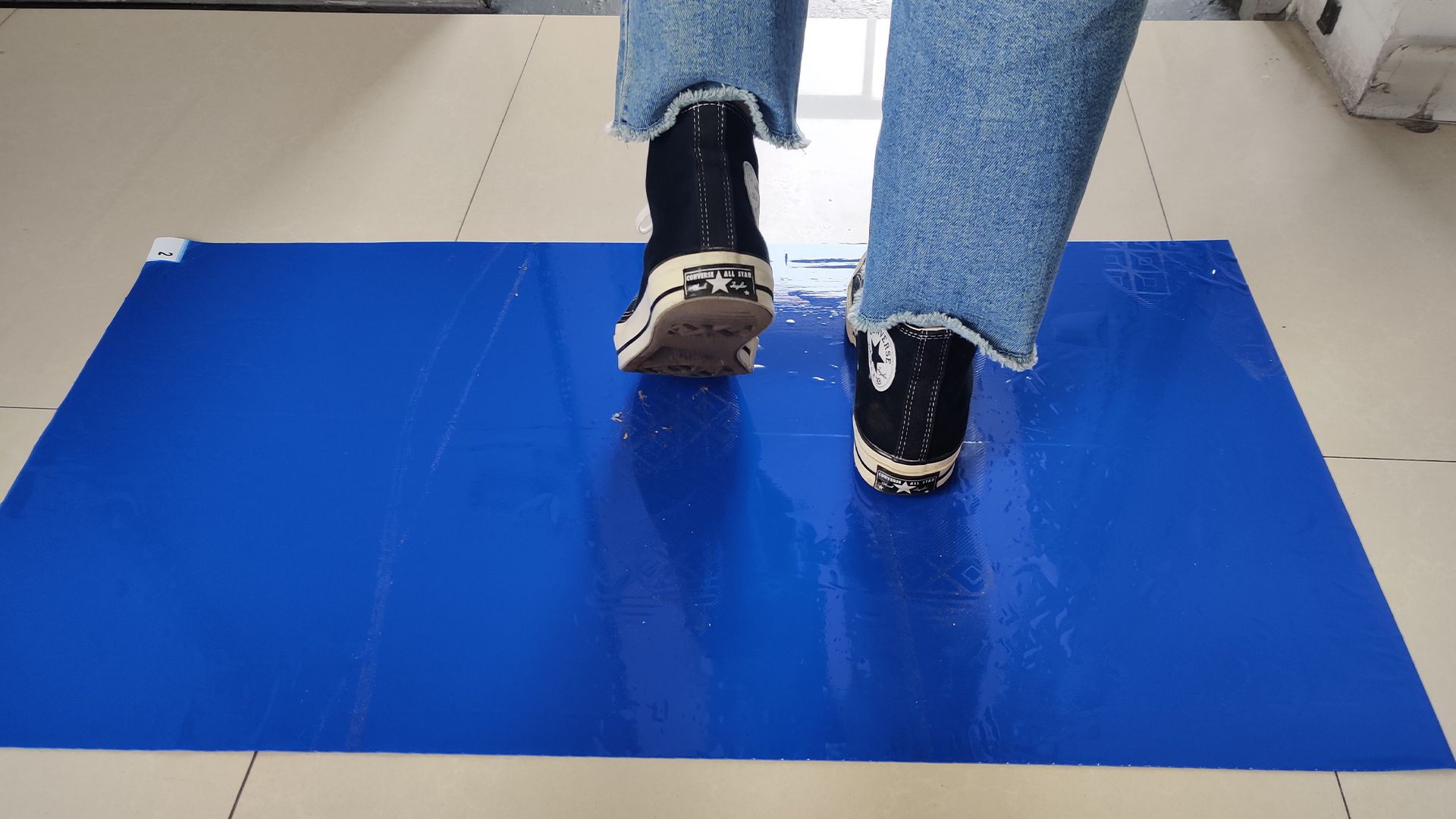
If you work in a cleanroom, a laboratory, or any controlled environment where particle contamination is not an option, you already know the value of a reliable tacky mat. But here’s a question most buyers overlook: How many steps per layer should you expect from your sticky mat?
The answer isn’t one-size-fits-all. A 30-layer low VOC sticky mat can deliver anywhere from 30 to 100 steps per sheet—depending on foot traffic pattern, shoe type, and placement strategy. In this guide, we’ll break down exactly what affects step count per layer and how to pick the right sticky floor mat for your facility.
What Is a Tacky Mat and Why Does Layer Count Matter?
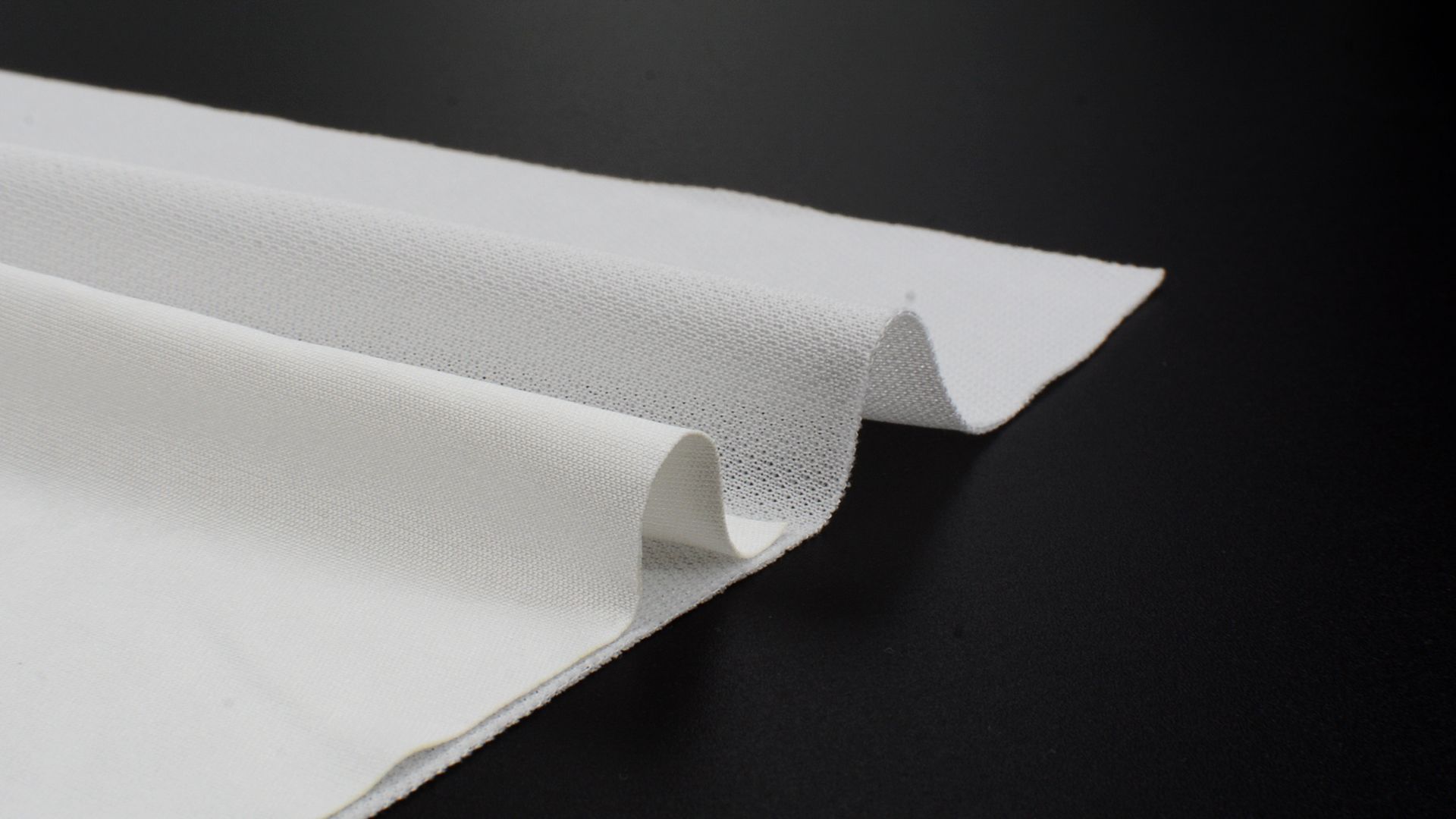
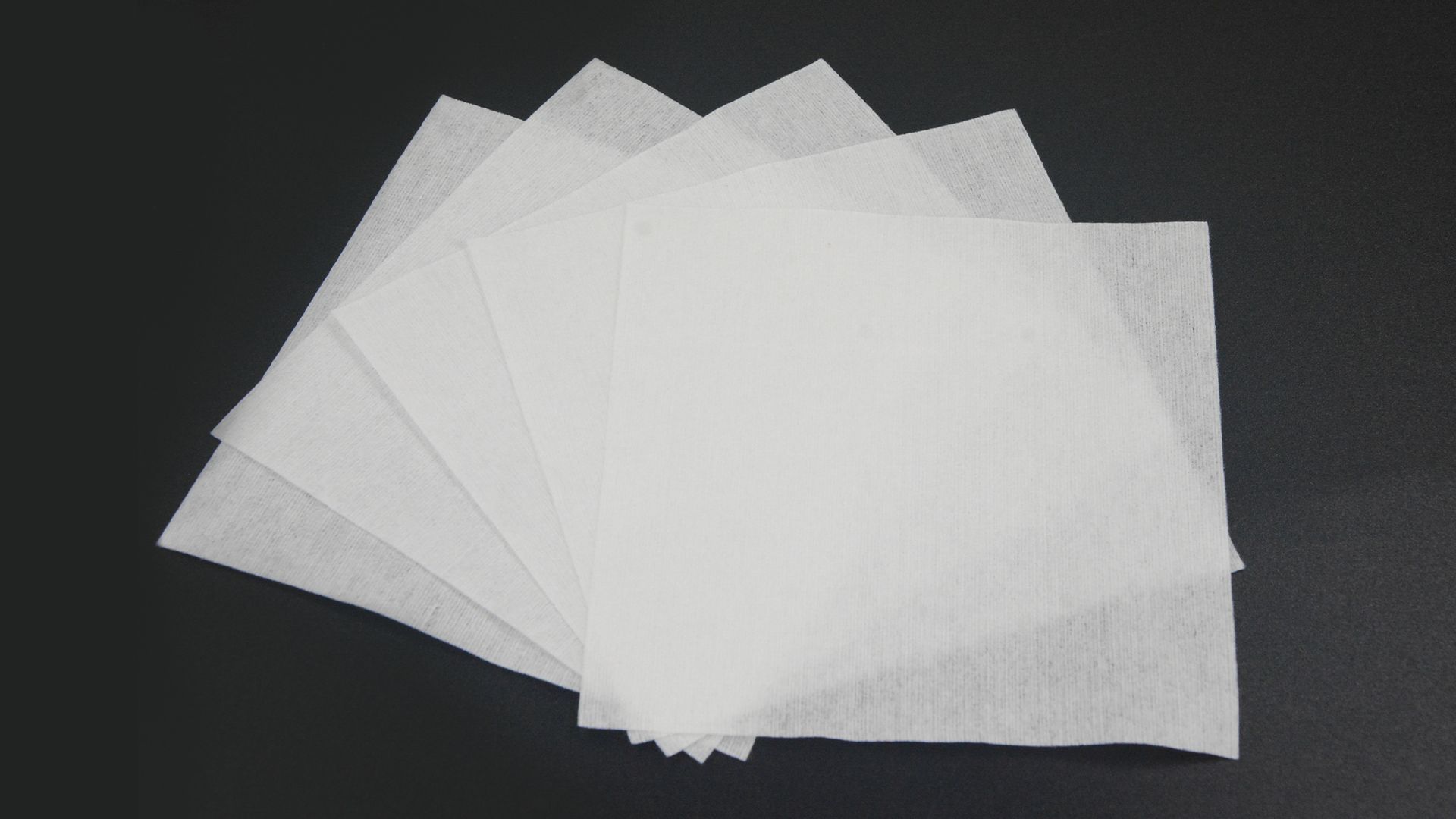
A tacky mat (also called a sticky mat or adhesive mat) is a multi-layered peel-off floor mat designed to capture dust, dirt, and particulates from footwear before they enter a critical area. Each sheet has a pressure-sensitive adhesive surface that traps contaminants. Once a sheet is saturated with debris, you simply peel it off to reveal a fresh layer beneath.
The number of layers directly impacts two things: maintenance frequency and long-term cost efficiency. A 30-layer mat means fewer replacements compared to a 15-layer version—but only if each layer is used optimally. That’s where understanding “steps per layer” becomes essential.
Key Applications of Sticky Mats in Controlled Environments
- Cleanroom Class 100–100,000 — semiconductor manufacturing, pharmaceutical production, biotech labs
- Hospital & Laboratory Entryways — operating room corridors, ISO-compliant research facilities
- Data Centers & Server Rooms — preventing dust ingress that damages sensitive electronics
- Food & Beverage Processing — HACCP-compliant zones requiring contamination control
30 Layers vs. 15 Layers vs. 60 Layers: Which Should You Choose?
| Layer Count | Ideal For | Pick Frequency | Cost Efficiency |
|---|---|---|---|
| 15 layers | Low traffic areas (office entry, small lab) | Daily | Budget-friendly |
| 30 layers | Medium-high traffic (most cleanrooms) | Every 2–3 days | Best balance |
| 60 layers | Heavy industrial / 24/7 operations | Weekly | Highest upfront, lowest labor |
How Many Steps Per Layer: The Factors You Must Know
Most manufacturers claim 25–40 steps per sheet as a baseline. But real-world performance depends on three key variables. Understanding these will help you maximize every layer of your low VOC sticky mat.
Step 1 — Check Foot Traffic Pattern & Shoe Type
Foot traffic volume is the single biggest factor. Here’s a quick reference:
| Traffic Level | Steps/Layer | Peel Cycle (30-layer) | Example Facility |
|---|---|---|---|
| Light (<50 people/day) | 50–80 steps | Every 4–6 weeks | R&D lab, server room |
| Medium (50–200/day) | 30–50 steps | Every 2–3 weeks | Pharma cleanroom, hospital OR |
| Heavy (200+/day) | 20–30 steps | Weekly | Semiconductor fab, large data center |
Shoe type also matters:
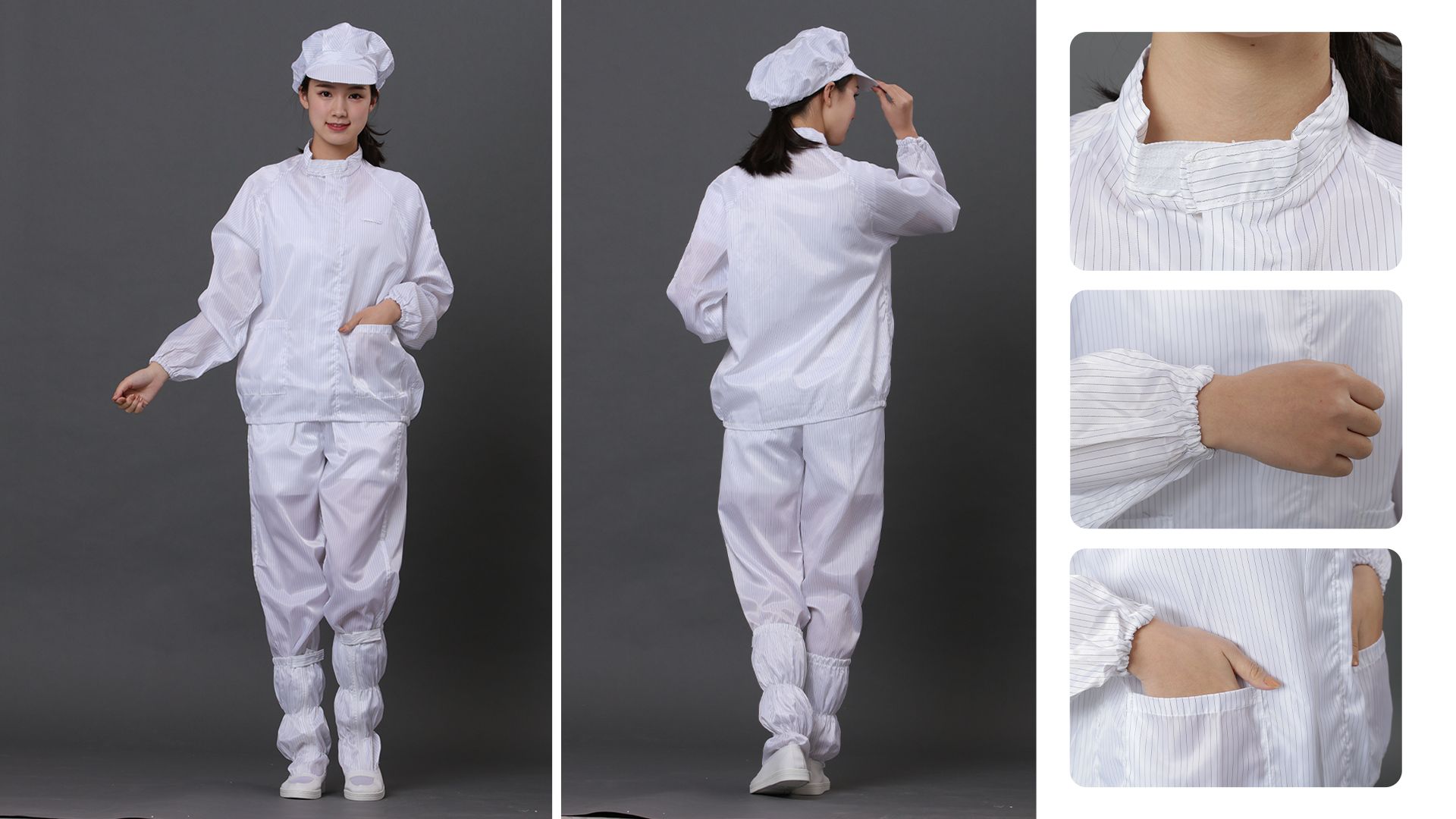
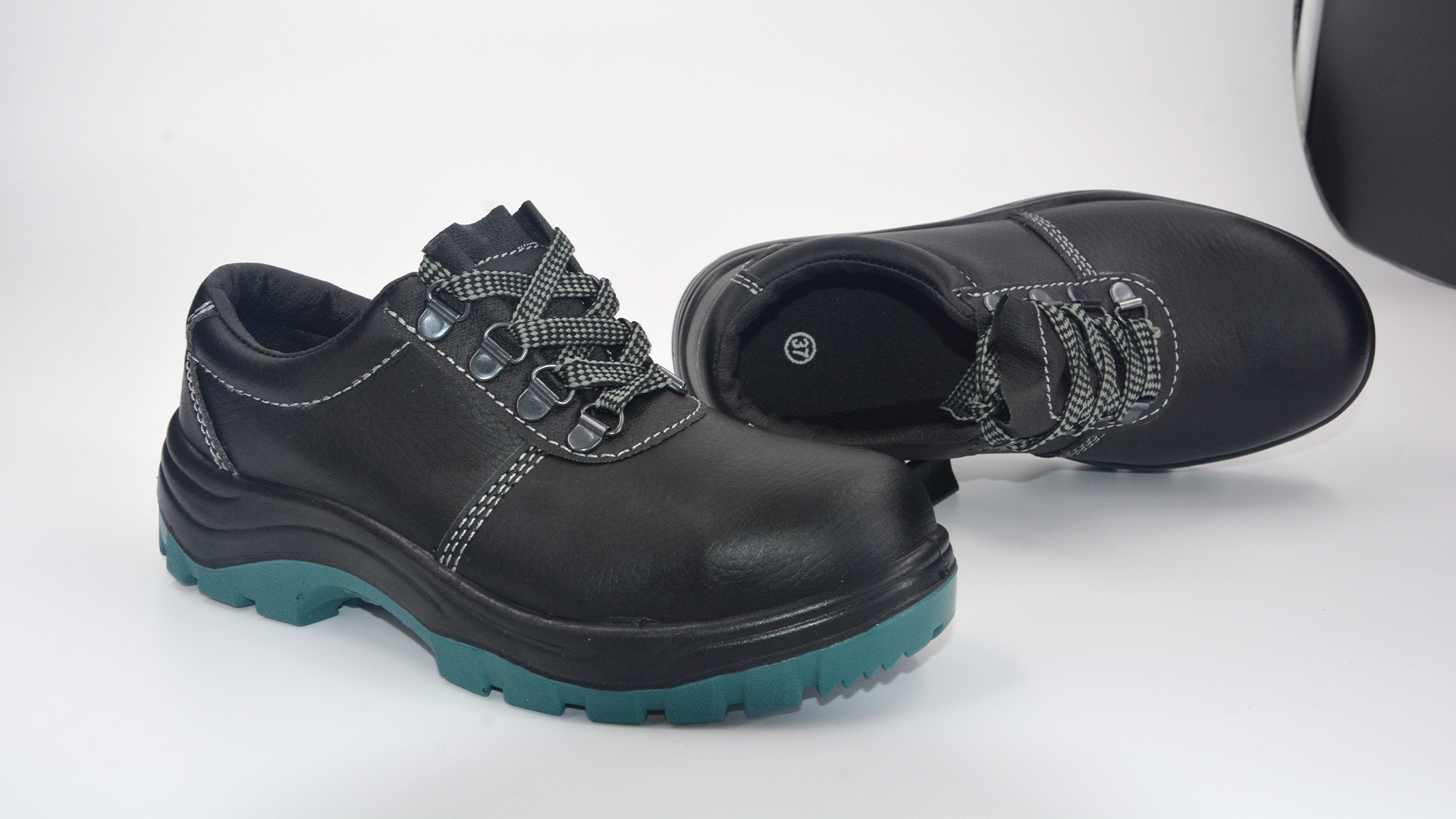
- Cleanroom boots / ESD shoes — flat sole = more contact area = more effective capture = ~20% fewer steps per layer
- Street shoes with treads — deep grooves hold more particles but also release them unevenly; recommend 2 full steps per foot per crossing
- Sticky shoe cover or ESD shoe cover — reduces direct sole contact; extends mat life by up to 40%
Pro tip: Train staff to take at least 2 full steps on the mat with each foot. Rushing through in a single stride wastes 60% of the sheet’s capture capacity.
Step 2 — Match Adhesive Strength to Your Cleanroom Level
Not all tacky floor mat cleanroom products use the same adhesive. The right tackiness level should match your environment:
- Low-tack (light blue) — Class 10,000+ cleanrooms, office entryways. Gentle on shoes, easy peeling.
- Medium-tack (blue) — Class 1,000–10,000. Most common choice for pharma and medical device manufacturing.
- High-tack (white/clear) — Class 100–1,000. Semiconductor fabs, optical coating rooms. Maximum particle retention.
VOC level matters too. Standard sticky mats can off-gas solvents for 24–48 hours after unpacking—a major issue in GMP pharmaceutical cleanrooms. Look for low VOC or VOC-free certification (ISO 14644-1 compatible) to avoid contaminating your air quality readings.
Step 3 — Placement Strategy: Where You Put It Changes Everything
Even the best anti slip sticky floor mat underperforms if placed incorrectly. Follow this placement hierarchy for maximum effectiveness:
- Primary position — Just inside the cleanroom airlock/gowning room entrance. Full 4-foot width coverage if possible.
- Secondary position — Outside the gowning room (dirty side). Captures bulk debris before personnel enter the gowning zone.
- Tertiary position — Inside critical equipment areas. Use smaller mats (18″ × 36″) near high-value machinery.
Mats per zone formula: For a standard doorway (36″ wide), place two mats end-to-end (total length: 72″). This ensures at least 4 contact steps even for fast walkers.
Frequently Asked Questions About Sticky Mats
How do I know when to peel off a layer?
Peel when the visible surface area is approximately 70% covered with dust/debris. Don’t wait until it’s completely saturated—by then, the edges have already lost adhesion. For GMP environments, many facilities adopt time-based schedules (e.g., once per shift) regardless of appearance.
Can a sticky roller mat replace a floor sticky mat?
No—they serve different purposes. A sticky roller mat cleanroom tool is designed for spot-cleaning surfaces (walls, equipment, workbenches). It does not provide the sustained foot-traffic capture of a peel-off adhesive floor mat PE. Think of rollers as supplementary tools, not substitutes.
Ready to Upgrade Your Cleanroom Contamination Control?
The right sticky floor mat isn’t just about buying the cheapest option—it’s about matching layer count, adhesive strength, and VOC rating to your specific environment. Whether you need a low VOC sticky mat for a GMP pharmaceutical suite or a heavy-duty 30-layer tacky mat for a semiconductor fabrication floor, choosing correctly saves money and protects your product quality.
Not sure which spec fits your cleanroom class? Browse our complete sticky mat collection or contact our cleanroom specialists for a free layout recommendation based on your floor plan and traffic flow.
Bottom line: With proper placement, correct adhesive selection, and staff training on stepping technique, a 30-layer tacky mat can reliably deliver 30–50 effective steps per layer—giving you 900–1,500 total captures per mat before replacement. That’s contamination control you can count on.