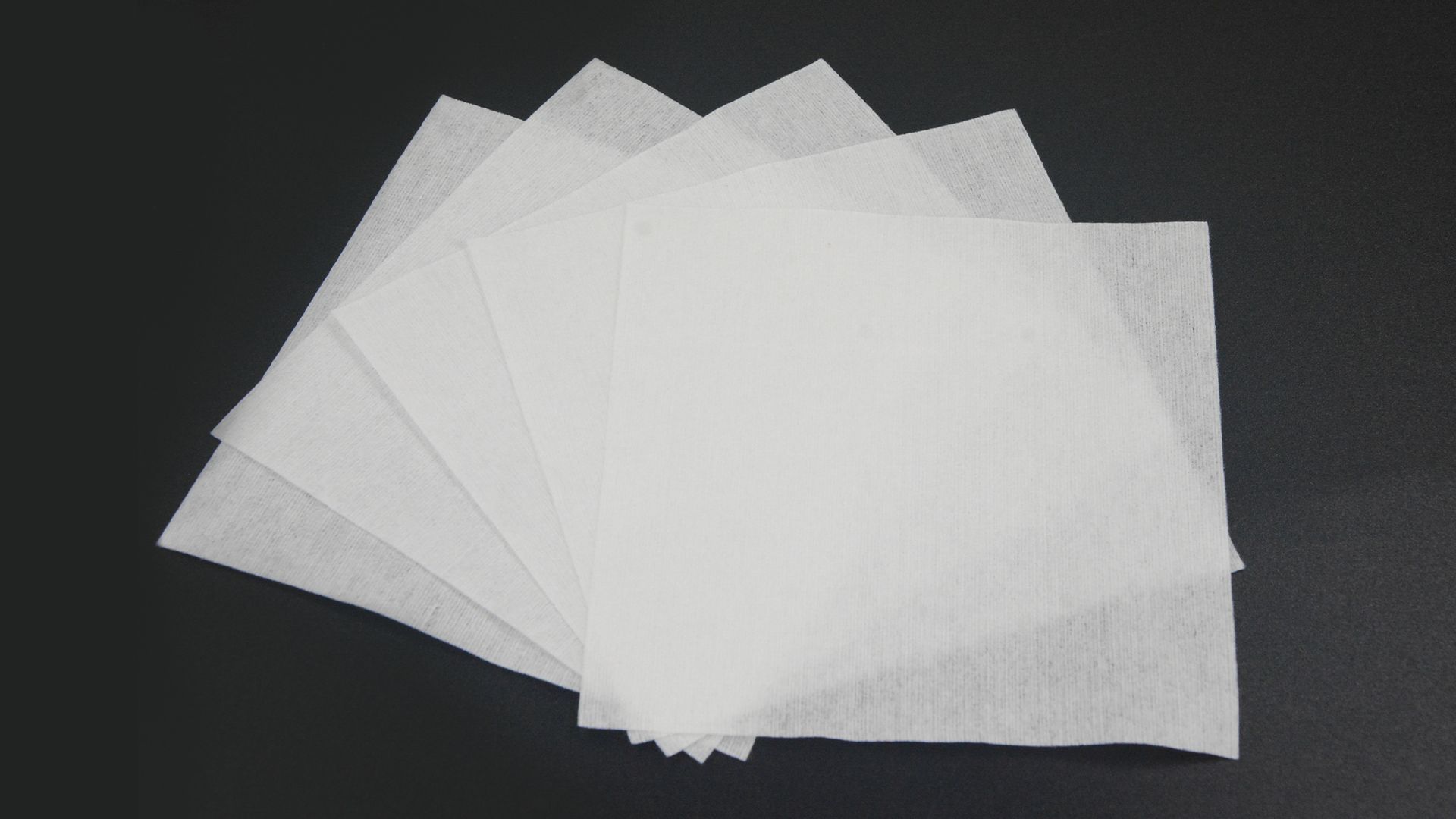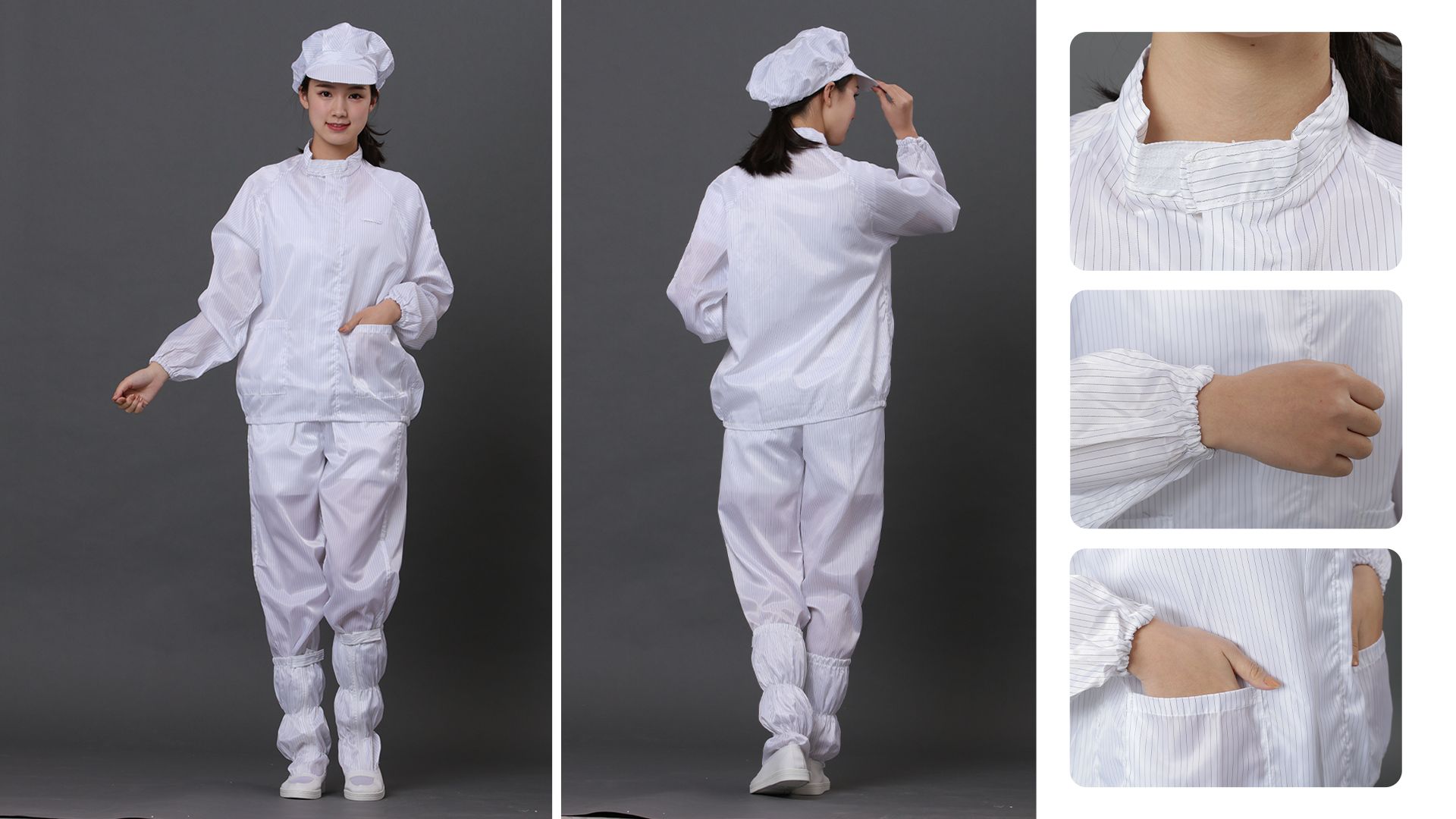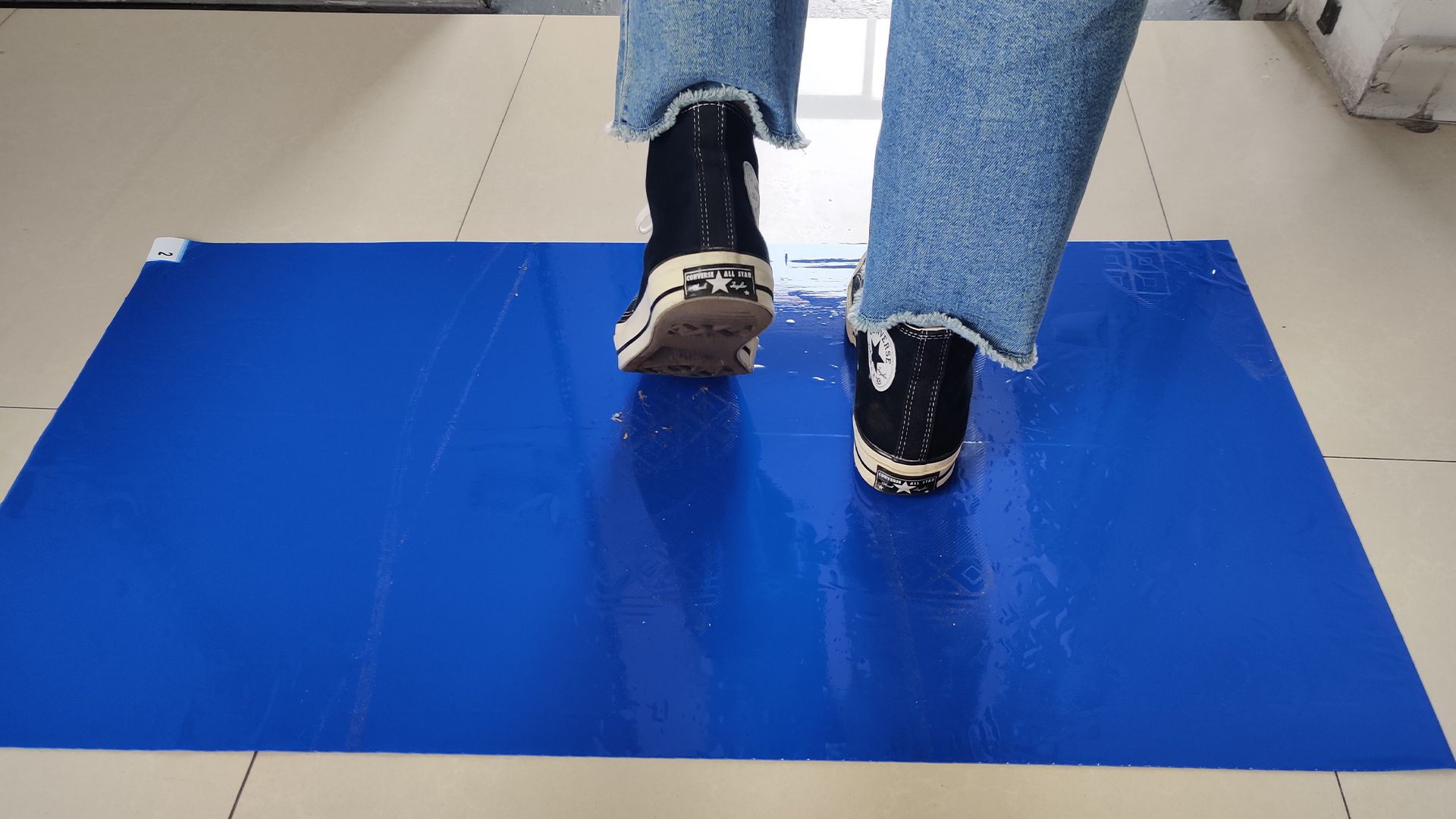
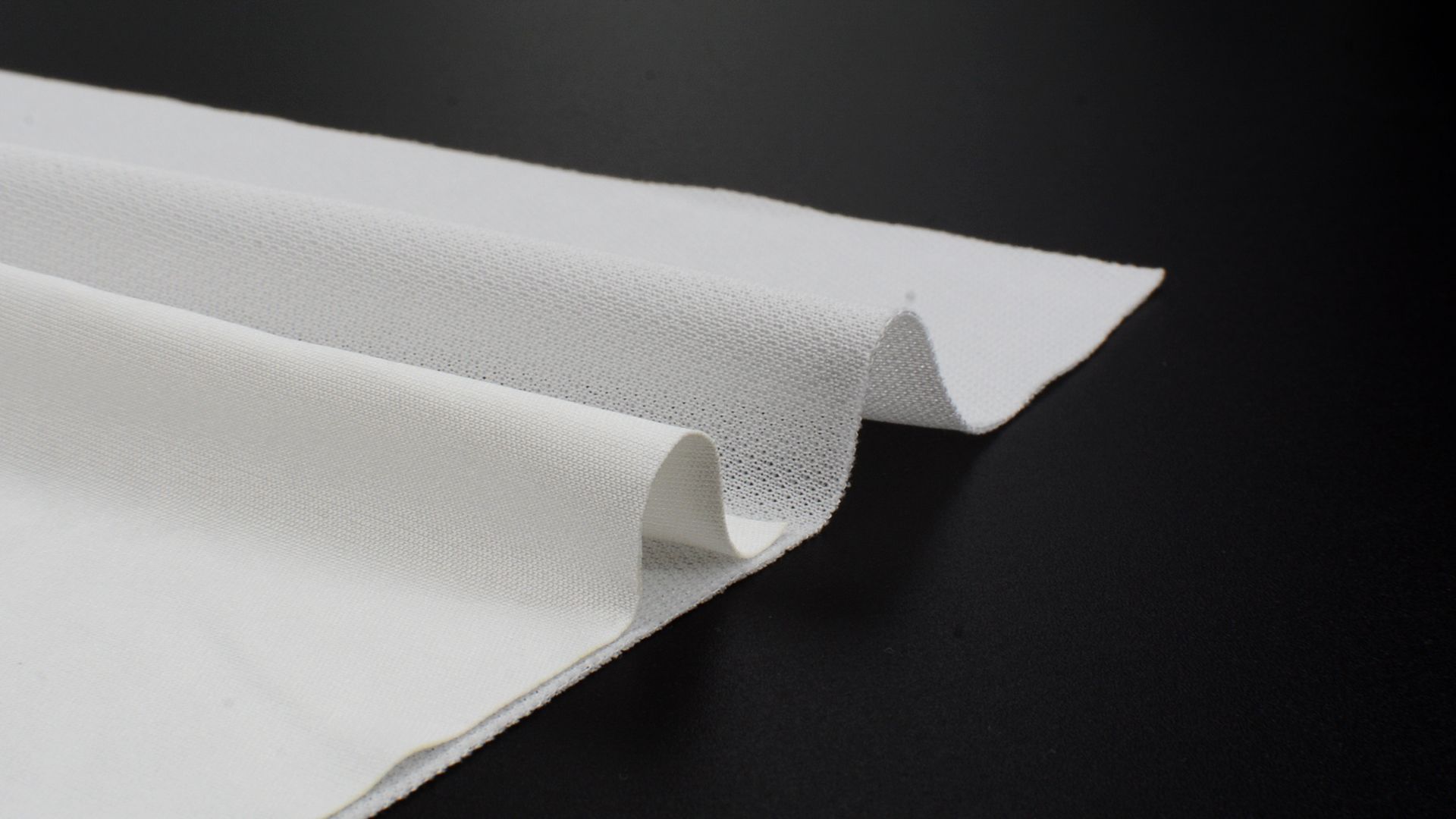
Selecting the correct industrial cleanroom wipes size is not a trivial decision. In controlled environments ranging from semiconductor fabrication to pharmaceutical manufacturing, the wrong wipe dimension can compromise process integrity, increase contamination risk, and inflate operational costs unnecessarily. This comprehensive guide walks procurement managers, cleanroom operators, and quality assurance professionals through the critical factors that determine optimal cleanroom wipes sizing.
Why Cleanroom Wipe Size Matters More Than You Think
The relationship between wipe dimensions and contamination control is direct and measurable. Oversized low particle cleanroom wipes in confined work areas introduce unnecessary surface contact, elevating particle generation and fiber release. Undersized wipes, conversely, force operators to use multiple sheets per cleaning cycle, driving up consumable costs and increasing handling frequency—each touch being another opportunity for human-generated contamination.
Industry data from ISO 14644-compliant facilities indicates that properly matched wipe sizes can reduce per-cleaning-event material consumption by 18–27% while maintaining or improving cleanliness audit scores.
Standard Cleanroom Wipe Dimensions: A Quick Reference
Before diving into application-specific recommendations, familiarize yourself with the most commonly available cleanroom wipes sizes in the market:
| Size Designation | Dimensions (inches) | Dimensions (cm) | Typical Use Case |
|---|---|---|---|
| 4×4 | 4″ × 4″ | 10 × 10 cm | Small component cleaning, precision instruments |
| 6×6 | 6″ × 6″ | 15 × 15 cm | Benchtop cleaning, equipment wiping |
| 9×9 | 9″ × 9″ | 23 × 23 cm | General surface cleaning, laminar flow hoods |
| 12×12 | 12″ × 12″ | 30 × 30 cm | Large surface area, workstation cleanup |
| Custom/Slit | Variable | Variable | Automated dispensing, specific tooling |
Material Type and Its Impact on Size Selection
Polyester Cleanroom Wipes
Polyester cleanroom wipes dominate the market for good reason. Their non-woven construction delivers exceptional absorbency (typically 300–500% liquid capacity by weight), low ion levels (< 0.5 µeq/cm²), and minimal particle shedding. For polyester cleanroom wipes, the 9×9 inch format is the industry workhorse, balancing coverage area with dexterity for detailed wiping motions.
Key specifications to verify when sourcing polyster cleanroom wipes:
- Basis weight: 120–180 g/m² for standard duty; 200+ g/m² for heavy-duty scrubbing
- Edge treatment: Laser-sealed or ultrasonically cut edges (no loose fibers)
- Packaging: Vacuum packed double bagged for ISO Class 5 and above environments
Conductive Cleanroom Wipes
In electronics assembly environments where electrostatic discharge (ESD) poses a threat to sensitive components, conductive cleanroom wipes are mandatory. These wipes incorporate carbon or nickel-coated fibers into a polyester matrix, achieving surface resistivity ranges of 10⁵–10⁹ Ω/sq.
For ESD-sensitive applications such as PCB soldering stations and SMT line maintenance, conductive cleanroom wipes in 6×6 or 9×9 sizes provide sufficient coverage without excessive material waste. The conductive filament density should be uniform across the entire wipe surface to ensure consistent dissipation paths.
Pro Tip: When using conductive wipes, always ground the operator via wrist strap and verify wipe conductivity with an ESD surface resistance meter quarterly. A degraded conductive wipe can become a static generator rather than a safeguard.
Low Particle Cleanroom Wipes
When the application demands the absolute minimum particulate contribution—such as optical coating deposition, hard drive assembly, or photomask cleaning—low particle cleanroom wipes are the only acceptable choice. Manufactured through double-knit or continuous filament processes, these wipes exhibit particle counts below 1000 particles ≥0.5 µm per square meter (tested per IEST-RP-CC004).
Low particle cleanroom wipes are frequently supplied in smaller formats (4×4 or 6×6) because their primary use cases involve targeted, high-precision cleaning where oversized material would be counterproductive.
Sizing by Cleanroom Classification (ISO 14644)
Your facility’s ISO classification directly influences appropriate wipe size selection. Higher-class (lower-number) cleanrooms demand stricter controls on all consumables, including wipe dimensions:
| ISO Class | Max Particles ≥0.5µm/m³ | Recommended Wipe Size | Material Preference | Packaging Requirement |
|---|---|---|---|---|
| ISO Class 5 | 3,520 | 4×4 – 6×6 | Low particle polyester | Vacuum packed double bagged |
| ISO Class 6 | 35,200 | 6×6 – 9×9 | Polyester / Conductive | Double bagged |
| ISO Class 7 | 352,000 | 9×9 – 12×12 | Polyester standard | Single or double bagged |
| ISO Class 8 | 3,520,000 | 9×9 – 12×12 | Economy polyester | Bulk pack acceptable |
Cleanroom wipes ISO 14644 class 5 certified products undergo rigorous testing including laser particle counting, FTIR analysis for NVRs (non-volatile residues), and bioburden screening. Never substitute uncertified wipes in Class 5 environments—the cost of a single contamination event far exceeds the premium for certified materials.
Application-Specific Sizing Recommendations
Cleanroom Wipes for PCB Soldering SMT Line
Surface Mount Technology (SMT) lines present unique challenges: flux residue removal, stencil cleaning between prints, and nozzle maintenance on pick-and-place machines. For cleanroom wipes for PCB soldering SMT line applications, we recommend the following protocol:
- Stencil underwipe: 6×6 inch low particle cleanroom wipes, pre-saturated with approved solvent. The compact size prevents solvent over-application and reduces VOC emissions within the workcell.
- PCB post-solder cleaning: 9×9 inch conductive cleanroom wipes to simultaneously remove residual flux and dissipate any static charge accumulated during the reflow process.
- Nozzle tip and conveyor rail maintenance: 4×4 inch precision wipes for access to tight clearances around fine-pitch nozzles (0201 and smaller components).
General Equipment and Workstation Cleaning
For routine cleaning of laminar flow hoods, biosafety cabinets, and general work surfaces, the 9×9 inch industrial cleanroom wipes format offers the best cost-to-performance ratio. This size allows single-wipe coverage of a standard 24×36 inch work zone when used with a systematic folding technique (quarter-fold → eight usable surfaces per sheet).
Cost Optimization Through Right-Sizing
A common misconception holds that buying larger wipes always reduces cost per square inch. While true on paper, real-world usage patterns often tell a different story. Consider this comparative analysis based on observed consumption data from 50+ cleanroom facilities:
| Scenario | Wipe Size | Sheets/Month | Cost/Month (est.) | Waste Factor |
|---|---|---|---|---|
| Oversized for task | 12×12 | 800 | $480 | ~35% unused area |
| Optimally matched | 9×9 | 950 | $380 | <10% unused area |
| Undersized (multi-use) | 4×4 | 2,800 | $560 | Handling overhead high |
The data clearly favors right-sizing: the optimally matched configuration delivers ~21% cost savings compared to both oversized and undersized alternatives, while maintaining equivalent cleanliness performance.
Packaging: Don’t Overlook the Delivery System
Even perfectly sized cleanroom wipes can introduce contamination if improperly packaged. The industry hierarchy for packaging cleanliness is as follows:
- Vacuum packed double bagged cleanroom wipes — Required for ISO Class 5–6. Inner bag removed at anteroom/gowning area; outer bag removed inside the cleanroom. Vacuum sealing eliminates airborne particle ingress during storage and transit.
- Double bagged (non-vacuum) — Suitable for ISO Class 7. Provides two-stage decontamination without the vacuum premium.
- Single bagged / tub — Acceptable for ISO Class 8 and controlled non-classified areas. Monitor bag integrity closely; replace immediately if compromised.
Vacuum packed double bagged cleanroom wipes should be your baseline specification whenever budget permits. The incremental cost (typically 8–15% above standard packaging) is negligible compared to the risk mitigation value.
How to Validate Your Wipe Selection
After selecting a wipe size and material type, implement a validation protocol before full-scale deployment:
- Particle count verification: Use a handheld particle counter to measure air quality before and after wiping a test surface. Delta should remain within your cleanroom’s acceptable excursion threshold.
- NVR (Non-Volatile Residue) testing: Extract a sample wipe in high-purity solvent (IPA or DI water) and analyze residue deposit. Target: < 1.0 mg/100 cm² for most applications; < 0.1 mg/100 cm² for critical processes.
- Absorbency benchmarking: Measure time-to-saturation and total holding capacity against your process fluids (flux removers, isopropyl alcohol, deionized water).
- Strength testing: Verify wet strength (wipes must not tear or shed fibers when saturated) using a tensile tester or qualitative stretch test.
- Operator feedback loop: Distribute trial samples to floor technicians and document ergonomic feedback—wipe texture, foldability, and solvent retention characteristics significantly influence adoption compliance.
Frequently Asked Questions
Can I cut larger cleanroom wipes to a smaller size?
Not recommended. Cutting generates edge fibers and particles that defeat the purpose of using controlled-environment consumables. Additionally, cut edges lack the sealed or knitted barrier that prevents fiber release during use. Always source pre-cut, edge-sealed industrial cleanroom wipes in the exact dimensions required.
What’s the shelf life of vacuum-packed cleanroom wipes?
When stored in original vacuum-sealed packaging at controlled room temperature (15–25°C) and away from UV light, most polyester cleanroom wipes and conductive cleanroom wipes maintain certification specifications for 3–5 years from manufacture date. Once opened, use within 30 days or reseal in a clean, airtight container.
Are cleanroom wipes recyclable?
Used cleanroom wipes contaminated with solvents, flux, or biological materials are typically classified as hazardous or special waste and must be disposed of according to local regulations and your facility’s waste management plan. Unused, uncontaminated wipes may be recyclable through specialized textile recovery programs—consult your environmental health & safety officer.
How do I choose between polyester and cellulose-based wipes?
Cellulose (paper-based) wipes are more economical and offer higher initial absorbency but shed significantly more particles and fibers than polyester cleanroom wipes. Reserve cellulose for non-critical applications (ISO Class 8+ or uncontrolled areas). For ISO Class 5–7 environments, polyester remains the gold standard for low particle cleanroom wipes.
Conclusion: Your Actionable Sizing Checklist
Selecting the right industrial cleanroom wipes size boils down to five actionable criteria. Use this checklist for every purchasing decision:
- ✅ Confirm your facility’s ISO 14644 classification and match wipe grade accordingly
- ✅ Map each cleaning task to its optimal dimension (small components = 4×4, benches = 9×9, large surfaces = 12×12)
- ✅ Verify material compatibility: polyester cleanroom wipes for general use, conductive cleanroom wipes for ESD zones, low particle cleanroom wipes for critical particle-sensitive processes
- ✅ Specify vacuum packed double bagged cleanroom wipes for Class 5–6 environments
- ✅ Request Certificates of Analysis (CoA) and batch-level test reports from your supplier
Getting wipe sizing right is a high-leverage optimization: it reduces consumables spend, lowers contamination risk, and ensures regulatory compliance—all from a single, well-informed procurement specification. If you’re managing cleanroom wipes for PCB soldering SMT line operations or scaling procurement across multiple facility classifications, investing time in a structured sizing audit will pay dividends within the first quarter of implementation.
Looking for cleanroom wipes ISO 14644 class 5 certified options for your facility? Browse our complete range of industrial cleanroom wipes, including polyester cleanroom wipes, conductive cleanroom wipes, and low particle cleanroom wipes — all available in multiple sizes with vacuum-packed double-bagged delivery options.
Not sure which wiper size or grade fits your line? Contact us for free samples. Let the test data guide your choice.