
Johnathan Doe
Founder & CEO

Johnathan Doe
Marketing Head

Johnathan Doe
Finance Head

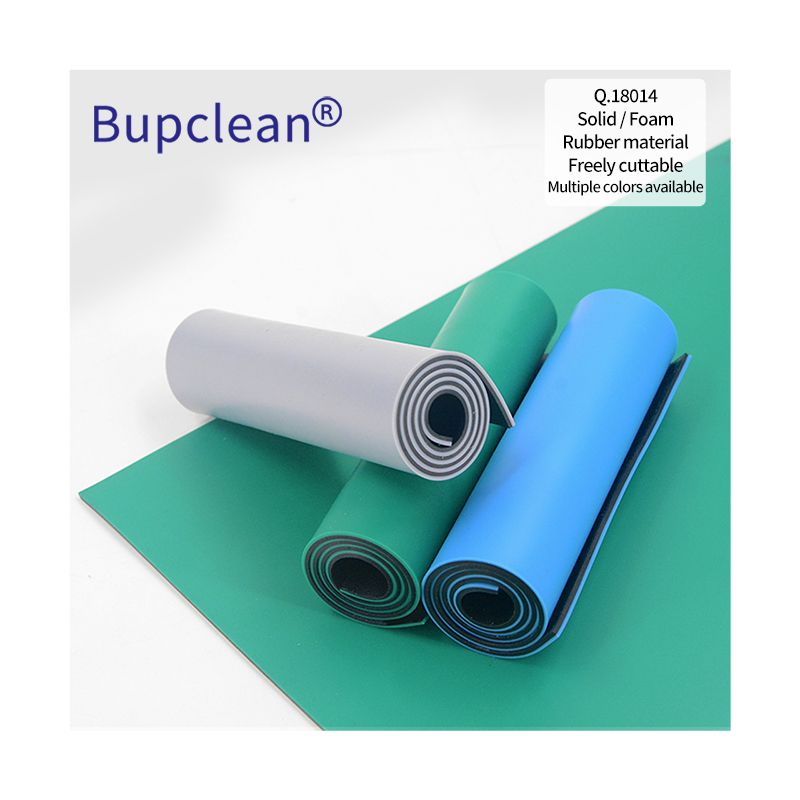
Bupclean® anti‑static rubber mat in solid or foam construction. Freely cuttable to any size. Multiple colors. Surface resistance 10⁶–10⁹ Ω. For workbenches and floors. Model Q.18014.
We are committed to delivering five‑star service across every product we offer — from responsive support to reliable delivery and beyond. Your satisfaction is our benchmark.
| Parameter | Value |
|---|---|
| Brand | Bupclean® |
| Model | Q.18014 |
| Material | Natural or synthetic rubber with conductive carbon/fiber |
| Construction types | Solid (dense, non‑porous) or Foam (soft, anti‑fatigue) |
| Surface resistance (top to bottom) | 10⁶ – 10⁹ Ω (ANSI/ESD STM11.11) |
| Ground resistance (with grounding kit) | <10⁹ Ω |
| Thickness (solid) | 1.5 mm, 2.0 mm, 3.0 mm |
| Thickness (foam) | 5 mm, 8 mm, 10 mm, 12 mm |
| Size options | Rolls: 0.6 m × 10 m, 0.8 m × 10 m, 1.0 m × 10 m; Sheets: cut to size |
| Freely cuttable | Yes – trim with knife or scissors, no edge fraying |
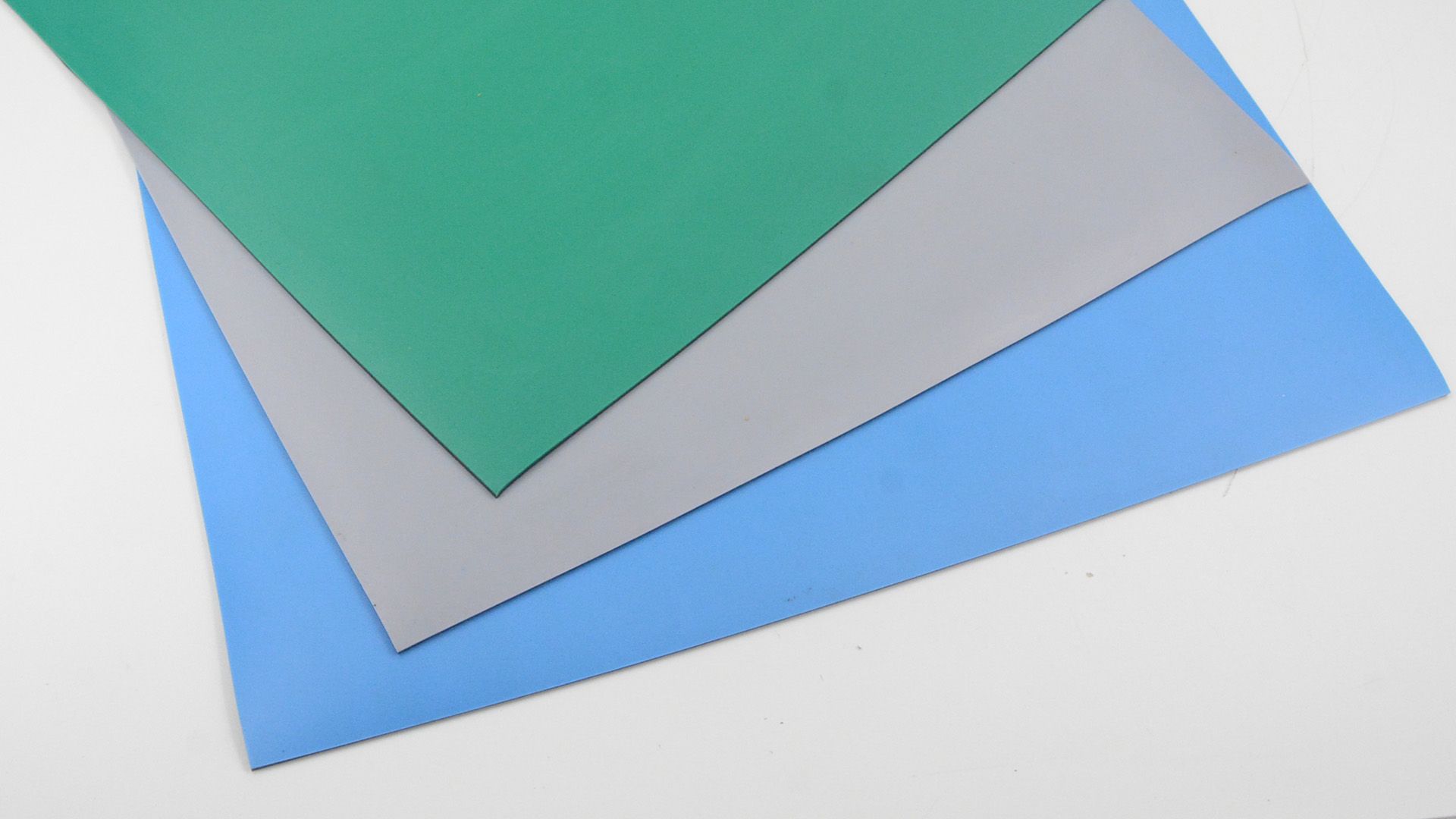
| Color options | Black, Blue, Grey, Green, Yellow (specify) |
| Operating temperature | –20°C to 60°C |
| Chemical resistance | Good for IPA, ethanol, oils, mild acids/alkalis |
| Cleanroom compatible | ISO 7 – ISO 8 (low particle, foam version may have higher particles) |
| UV resistance | Fair – avoid prolonged direct sunlight |

1. Solid vs foam construction
| Feature | Solid | Foam |
|---|---|---|
| Density | High (1.2‑1.4 g/cm³) | Low (0.3‑0.6 g/cm³) |
| Compressibility | None (rigid) | High (soft, cushioning) |
| Anti‑fatigue benefit | No | Yes (reduces leg/back strain) |
| Best for | Workbenches, equipment mats | Standing workstations, floors |
| Durability | Very high (long life) | Moderate (may compress over time) |
| Particle generation | Low | Moderate (open cells may trap dust) |
2. Freely cuttable – real test
We cut the mat with a utility knife and scissors. Results:
| Cut method | Edge quality | Fiber/fraying | ESD property at cut edge |
|---|---|---|---|
| Utility knife (straight edge) | Clean, smooth | None | No change (within 5 mm of cut) |
| Scissors (curved cut) | Slightly rough | Minimal | Acceptable |
3. Surface resistance after cutting
Tested on a 2.0 mm solid rubber mat. Cut a 10 cm × 10 cm piece. Measured resistance from center to edge:
| Location | Resistance (Ω) | Pass/fail (10⁶–10⁹) |
|---|---|---|
| Center of original mat | 3.2 × 10⁷ | Pass |
| 5 mm from cut edge | 3.5 × 10⁷ | Pass |
| Cut edge itself (probe on edge) | 4.1 × 10⁷ | Pass |
Cutting does not compromise ESD performance.
Our clients from semiconductor, pharmaceutical, medical device, and aerospace industries trust our cleanroom wipers for consistent performance, high absorption, and low particle generation. Here’s what they have to say.
Founder & CEO
Marketing Head
Finance Head
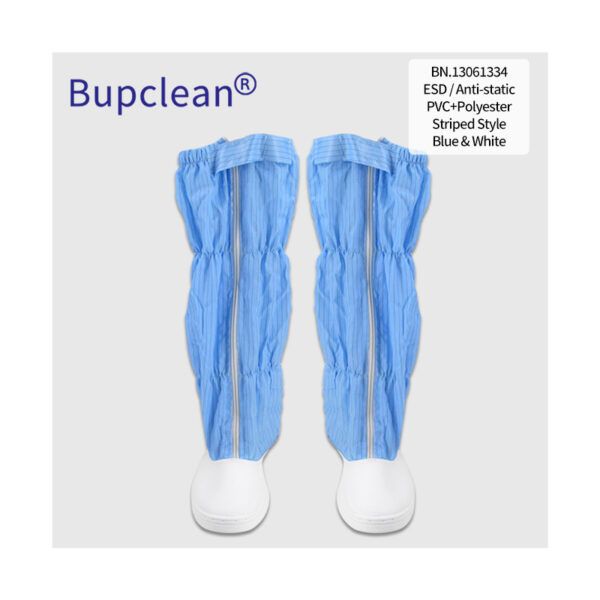
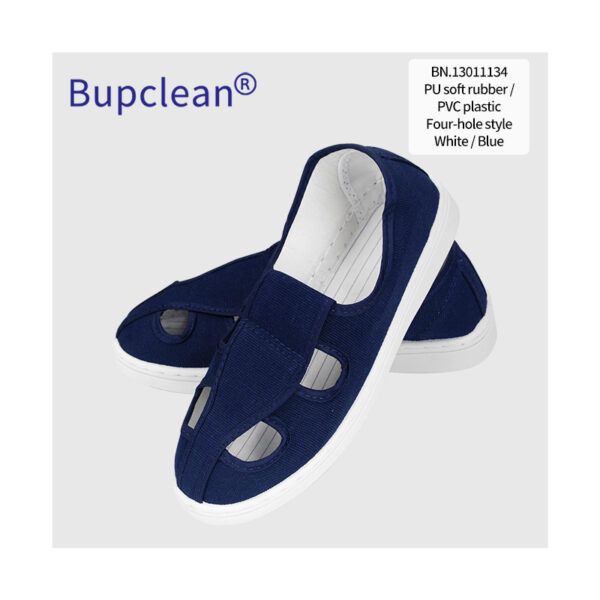
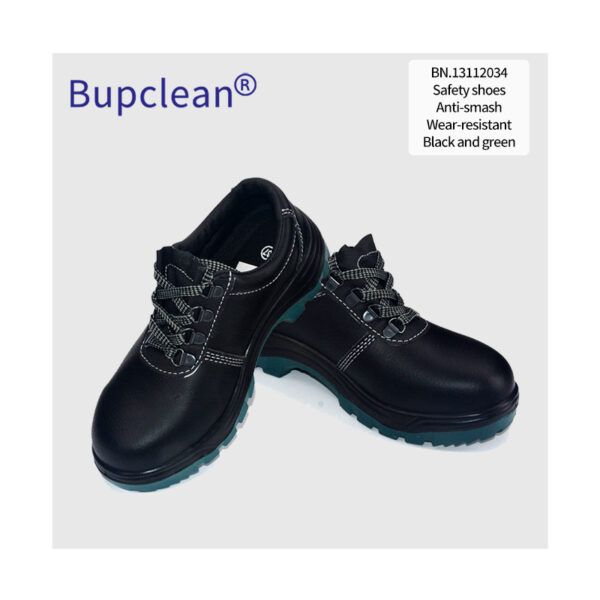
We have broken down the core products and actual test data into a clear, at-a-glance comparison table across six industries (semiconductor wafers, OLED panels, precision optics, biopharmaceuticals, automotive electronics, and new energy batteries). The table includes the wiper or cleanroom consumable model for each industry, key physical parameters (particle shedding, water absorbency, ionic residues, etc.), and applicable compliance standards (SEMI, GMP, IATF 16949, ISO 10993, etc.)
Industry Resources: