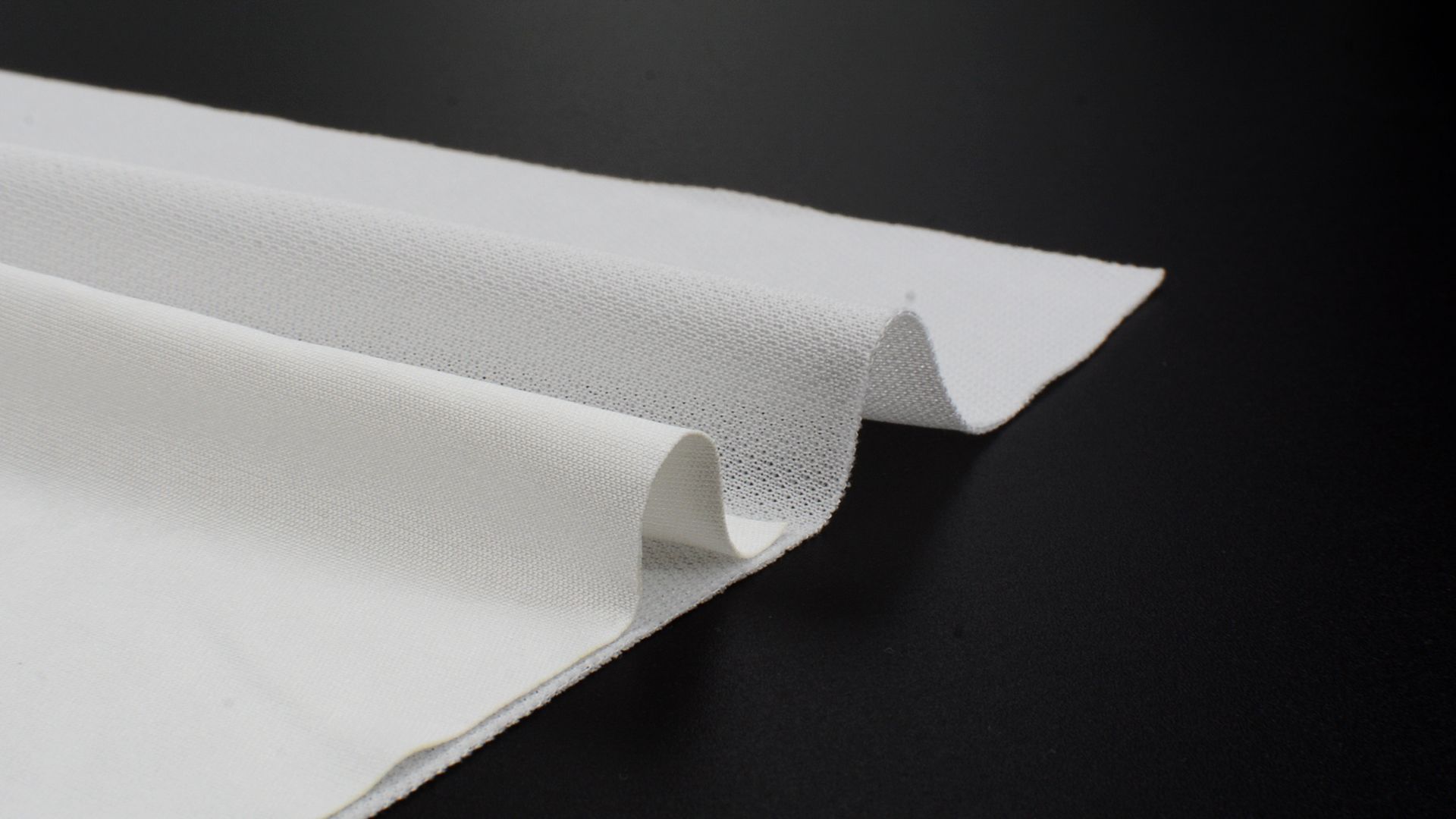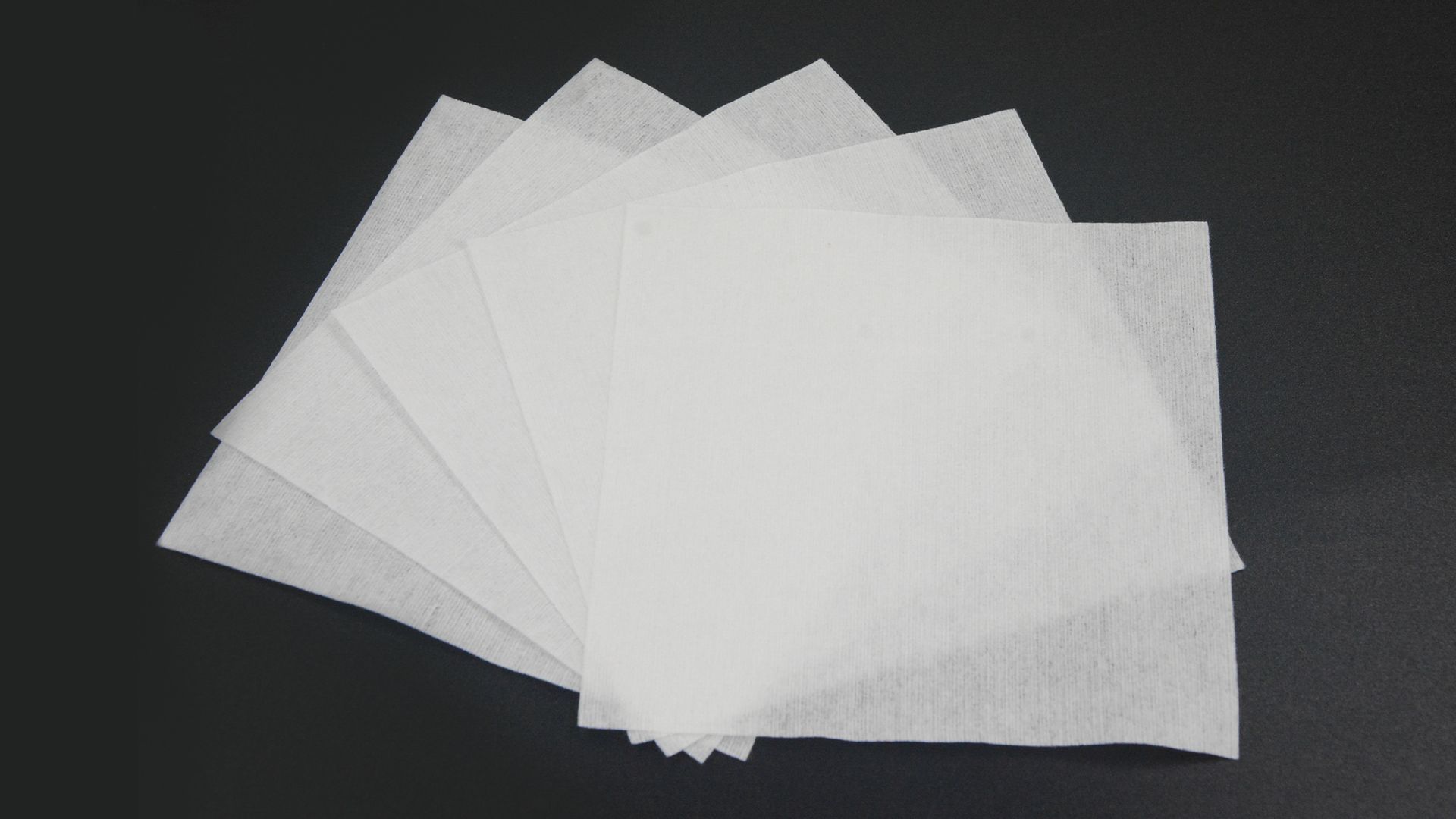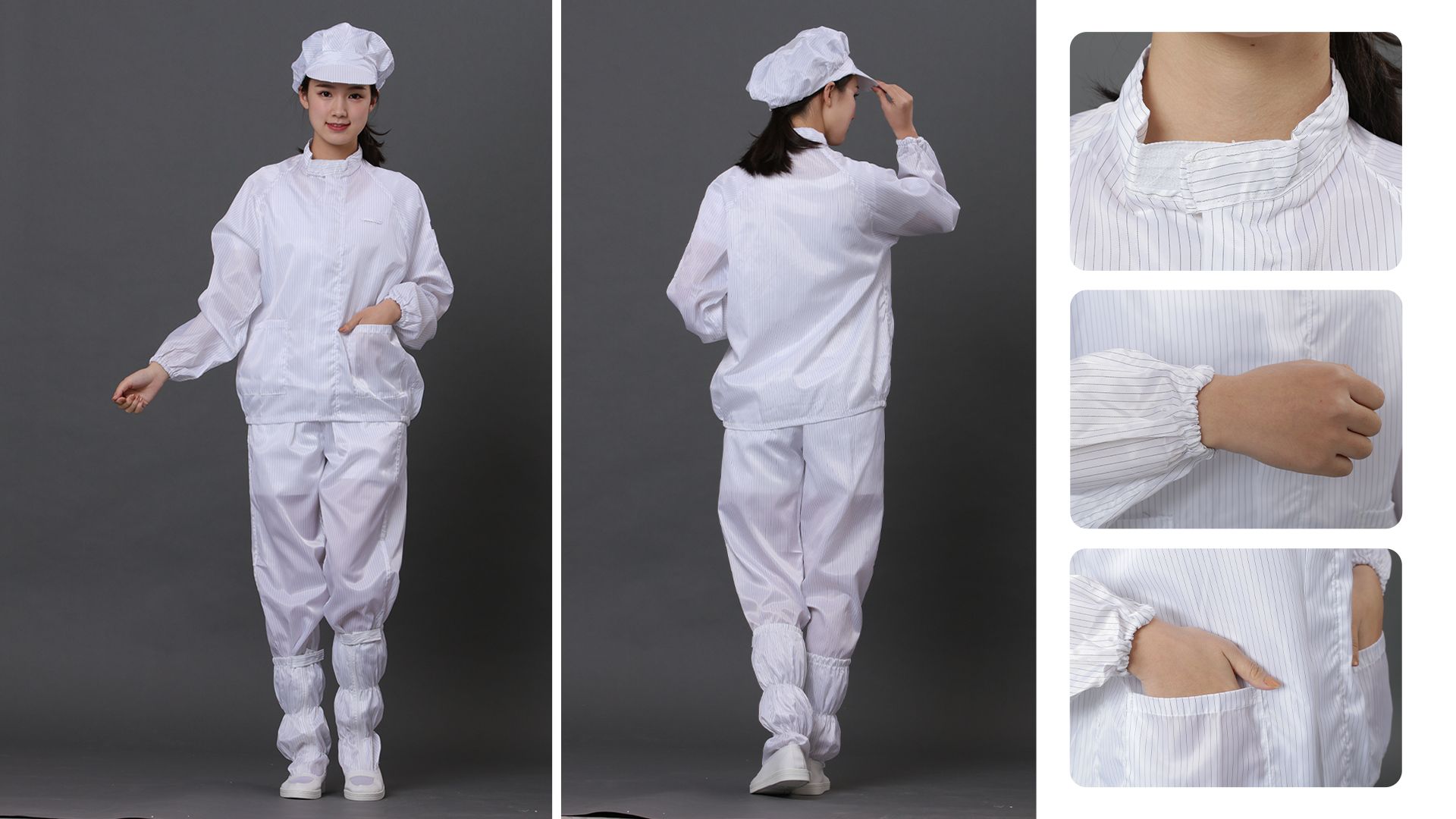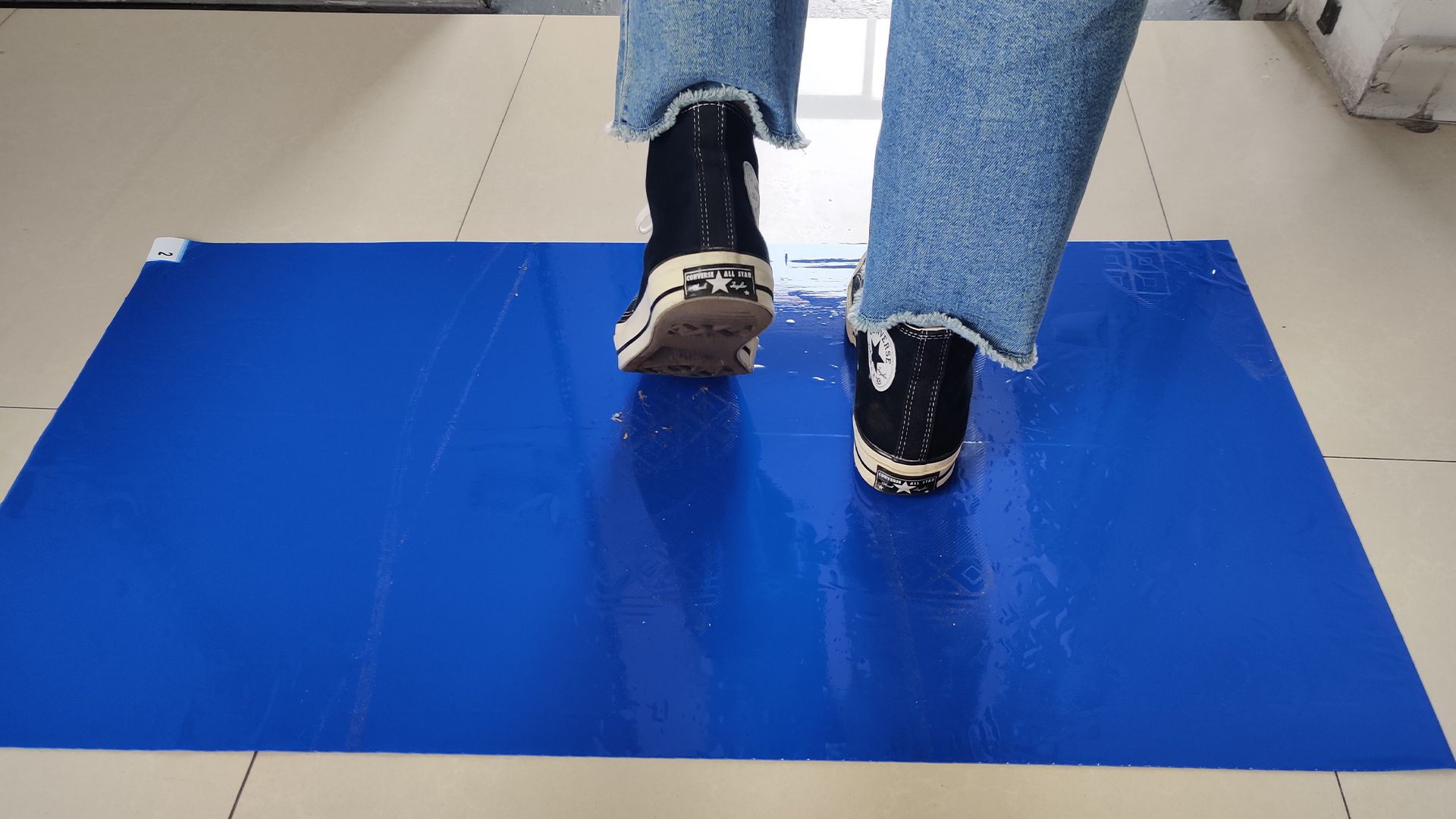
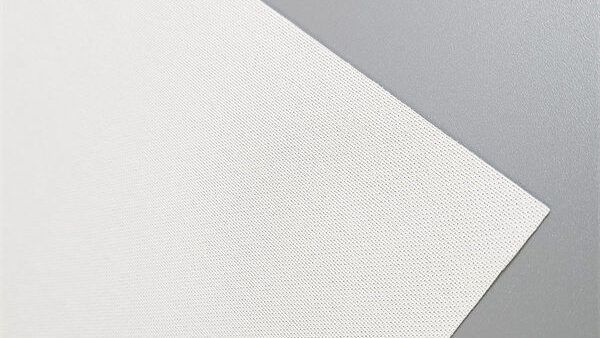
LCD panel production involves multiple cleaning steps: after cutting, before polarizer lamination, during cell assembly, and final module cleaning. Each step has different contamination types and surface sensitivity.
Why panel cleaning fails with wrong wipes
Three failure modes appear in LCD lines:
Micro‑scratches on the polarizer or glass caused by hard fibers (100% polyester without nylon).
Streaks from uneven drying, often from wipes with low absorption or poor edge sealing.
Particle re‑deposition when wipes release fibers after the first few strokes.
We tested twelve wipes on a Gen 6 LCD line. The four BN models below passed all criteria.
| Part Number | Grammage | Edge | Nylon % | Absorption (IPA) | Particle shedding (dry) | Target step |
|---|---|---|---|---|---|---|
| BN.11050420 | 220 g/m² | ultrasonic | 25% | 4.0× | ≤8 /cm² | post‑cutting glass |
| BN.11050105 | 180 g/m² | ultrasonic | 25% | 3.2× | ≤6 /cm² | daily station wipe |
| BN.11050207 | 105 g/m² | laser | 25% | 2.5× | ≤5 /cm² | final polish before sealant |
| BN.11040301 | 110 g/m² | laser | 25% | 2.8× | ≤3 /cm² | polarizer surface |
Detailed performance data
BN.11050420 (thickened, 220 g/m²)
Used for removing lapping paste and cutting oil from raw glass. In a side‑by‑side test against a 180 g/m² wipe, BN.11050420 absorbed 37% more liquid and required 2.1 fewer wipes per 1 m² of glass. Tensile strength measured 38 N/cm (warp) and 32 N/cm (weft). After 10 strokes on a glass plate, the wipe surface showed no fiber fuzzing under 50× microscope.
BN.11050105 (180 g/m²)
Standard choice for production operators. Pack size 100 sheets per bag. Field data from a 4‑week trial:
2,300 wipes used per shift
Rework due to particles dropped from 1.8% to 0.6%
Cost per 10,000 panels cleaned: 42(wipecost)+42(wipecost)+18 (labor) = 60,downfromprevious60,downfromprevious94.
BN.11050207 (105 g/m², twill weave)
Twill weave improves dirt pick‑up compared to straight weave. We measured pick‑up efficiency for fingerprint oil: 94% removal on first pass vs 82% for straight weave (BN.11050201). The smoother edge (laser) also reduced edge fraying by 60% compared to ultrasonic on this low grammage.
BN.11040301 (110 g/m² sub‑micron)
Designed for polarizer cleaning just before final seal. Sub‑micron grade means particle shedding ≤3/cm². In a cleanroom at ISO Class 4, operators used this wipe with IPA. After cleaning, a 10× magnified inspection found zero particles >2 µm on the polarizer surface. Without this wipe, the same line had 0.8% polarizer defects from dust.
Practical protocol for LCD wiping
Fold the wipe into quarters (creates 8 clean surfaces).
Wet with IPA or panel cleaner – do not over‑saturate. Wipe should be damp, not dripping.
Wipe in one direction – from top to bottom, overlapping 50% each pass.
Flip to a fresh fold every 3–4 strokes.
Dry immediately with a second dry wipe of the same type if cleaner contains water.
Using this protocol, BN.11050105 achieved a consistent streak‑free rate of 99.2% across 1,200 panels.
Lifetime and disposal
All BN ultra‑fine wipes are single‑use in panel lines. Do not reuse. A typical 9×9 wipe (BN.11050420) can clean up to 0.8 m² of glass before saturation. Disposal cost is negligible – they are non‑hazardous and incinerable.