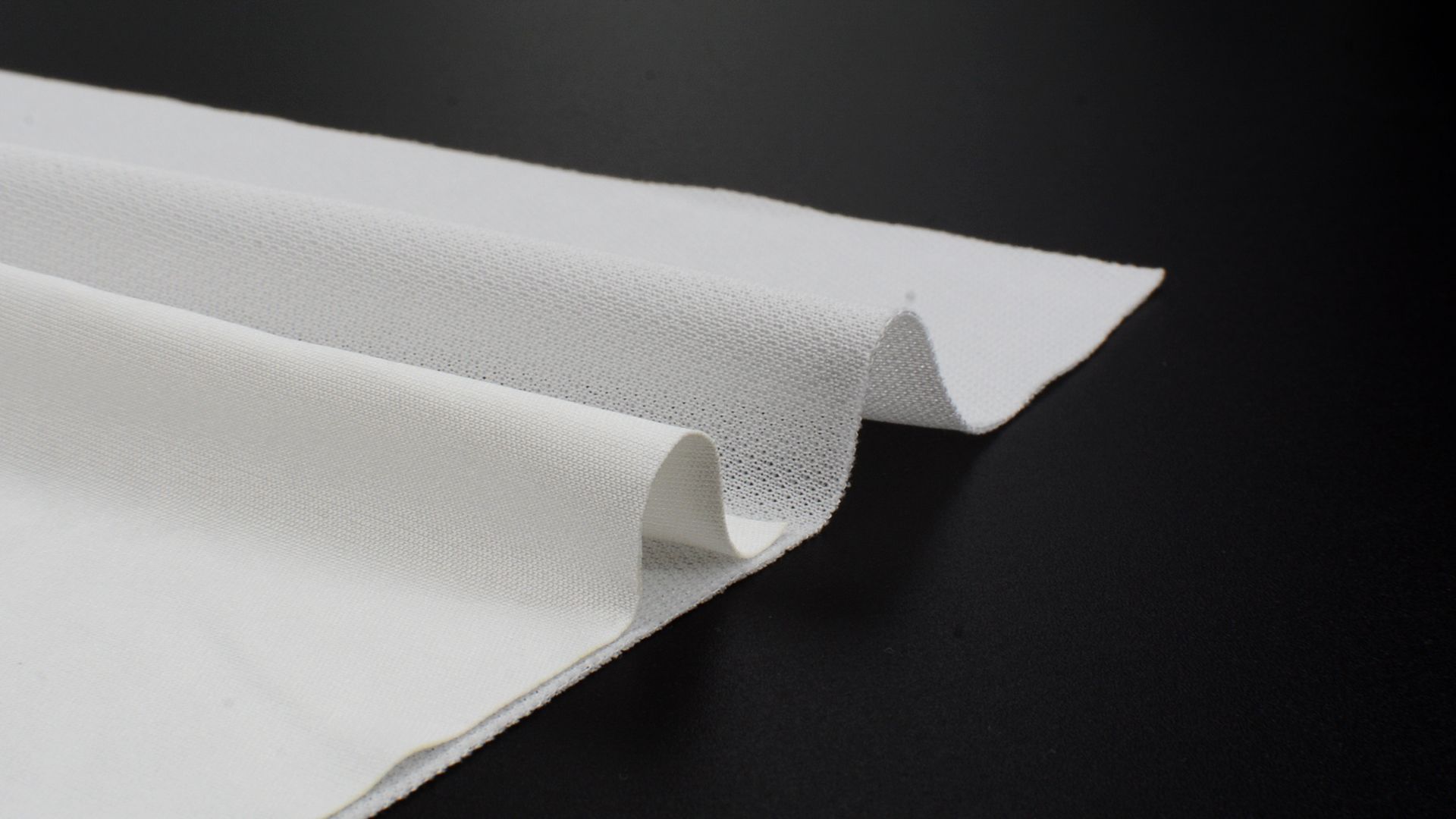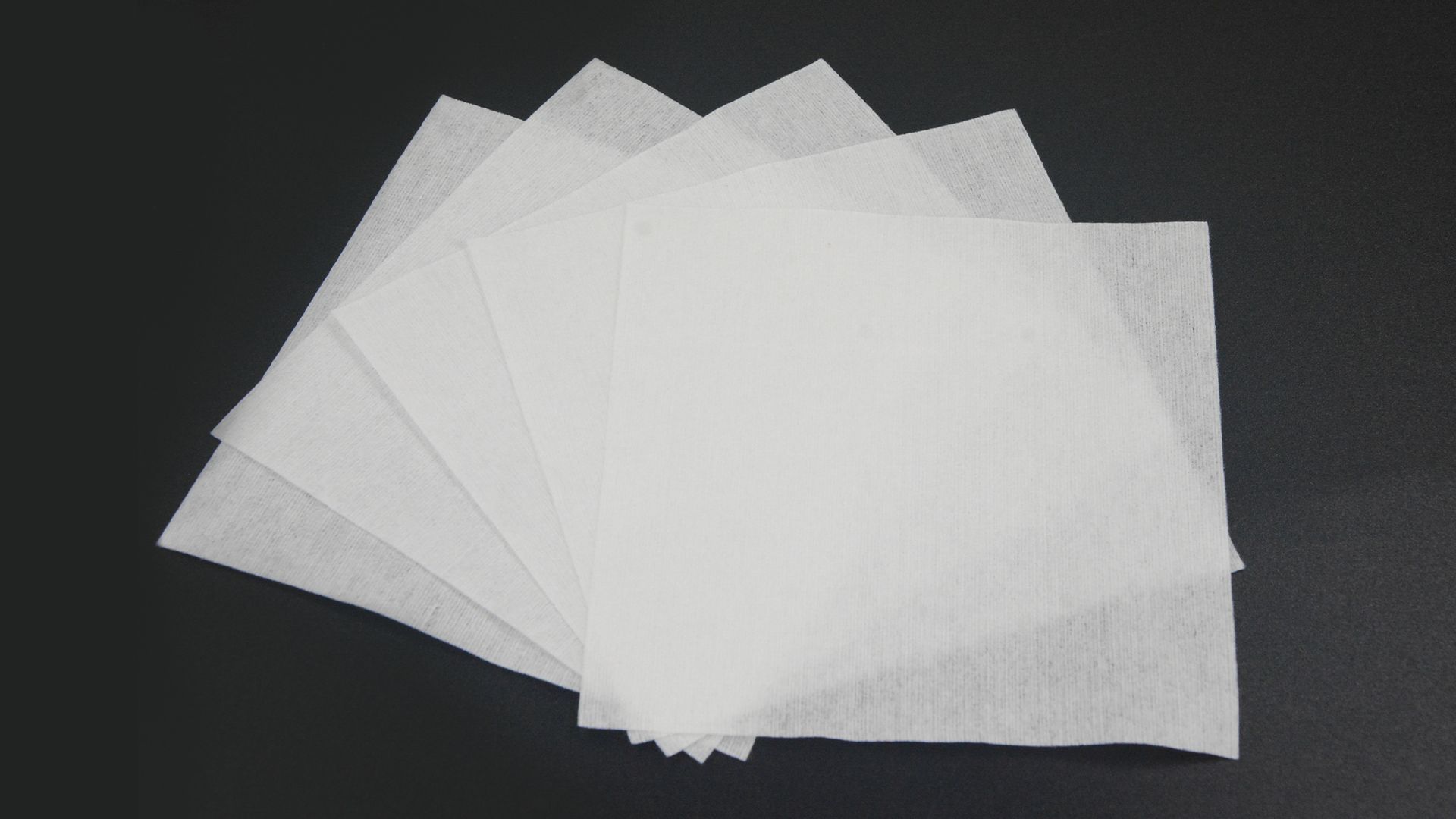
Cleanroom wiper solvent compatibility tested: IPA, acetone, ethanol. NVR after solvent wipe, fiber degradation, and particle release data. Which wiper works with which solvent? Read before you wipe.
Many cleanroom operators assume any wiper works with any solvent. That assumption can cost you. We tested three common wiper materials (polyester knit, microfiber, and non‑woven poly‑cellulose) with three solvents (IPA, acetone, and anhydrous ethanol). The results show clear winners and losers.
Why solvent compatibility matters
When a wiper is incompatible with a solvent, you can see three problems:
Fiber degradation – the wiper dissolves or sheds visible fibers
Extractable residues – the solvent pulls out plasticizers or surfactants from the wiper, leaving NVR on your surface
Particle release increase – the wiper loses mechanical strength and sheds more particles
We measured all three.
Test method
Wiper materials tested:
Type A: Polyester knit, laser‑sealed, 110 g/m²
Type B: Microfiber (80% polyester / 20% nylon), laser‑sealed, 180 g/m²
Type C: Poly‑cellulose non‑woven, heat‑sealed, 120 g/m²
Solvents tested:
Isopropyl alcohol (IPA), 99.9% semiconductor grade
Acetone, HPLC grade
Anhydrous ethanol, 99.5%
Measurements:
Visual fiber degradation after 5 minutes soaking (100x microscope)
Extractable NVR (solvent evaporated, residue weighed, ASTM E1560)
Particle shedding (≥0.5μm particles/m²) after solvent wetting and drying
Results: visible fiber degradation
| Wiper type | IPA (5 min) | Acetone (5 min) | Ethanol (5 min) |
|---|---|---|---|
| Polyester knit (Type A) | No change | Slight swelling, no fiber loss | No change |
| Microfiber (Type B) | No change | Moderate swelling, some fiber loosening at edges | No change |
| Poly‑cellulose (Type C) | OK | Dissolves – visible residue | Slight softening |
Key finding: Acetone + poly‑cellulose = disaster. The non‑woven binder dissolves, leaving a sticky residue on your surface. Never use acetone with cellulose‑based wipers.
Results: visible fiber degradation
| Wiper type | IPA (5 min) | Acetone (5 min) | Ethanol (5 min) |
|---|---|---|---|
| Polyester knit (Type A) | No change | Slight swelling, no fiber loss | No change |
| Microfiber (Type B) | No change | Moderate swelling, some fiber loosening at edges | No change |
| Poly‑cellulose (Type C) | OK | Dissolves – visible residue | Slight softening |
Key finding: Acetone + poly‑cellulose = disaster. The non‑woven binder dissolves, leaving a sticky residue on your surface. Never use acetone with cellulose‑based wipers.
Results: extractable NVR after solvent soak
We soaked 1g of each wiper in 100mL solvent for 10 minutes, then evaporated the solvent and weighed the residue.
| Wiper type | Solvent | Extractable NVR (mg/g wiper) |
|---|---|---|
| Polyester knit | IPA | 0.12 |
| Polyester knit | Acetone | 0.31 |
| Polyester knit | Ethanol | 0.09 |
| Microfiber | IPA | 0.08 |
| Microfiber | Acetone | 0.27 |
| Microfiber | Ethanol | 0.06 |
| Poly‑cellulose | IPA | 0.18 |
| Poly‑cellulose | Acetone | 4.20 (wiper dissolved) |
| Poly‑cellulose | Ethanol | 0.21 |
Interpretation:
IPA and ethanol produce low extractables (0.06–0.21 mg/g) across all wiper types – acceptable for most applications.
Acetone extracts significantly more from polyester and microfiber (0.27–0.31 mg/g), likely due to plasticizers or spinning oils.
Acetone + poly‑cellulose is completely unacceptable – the wiper itself contributes massive contamination.