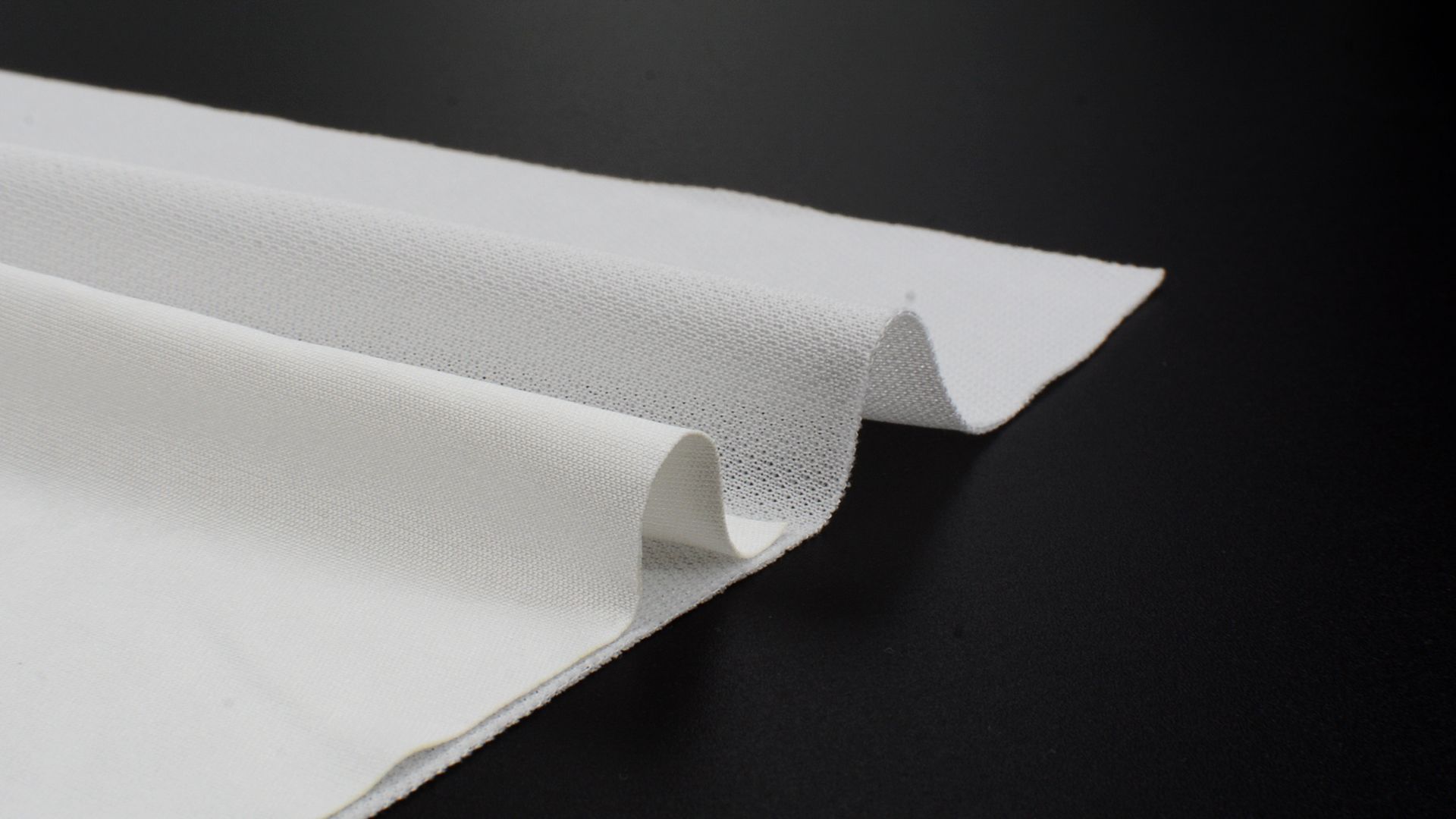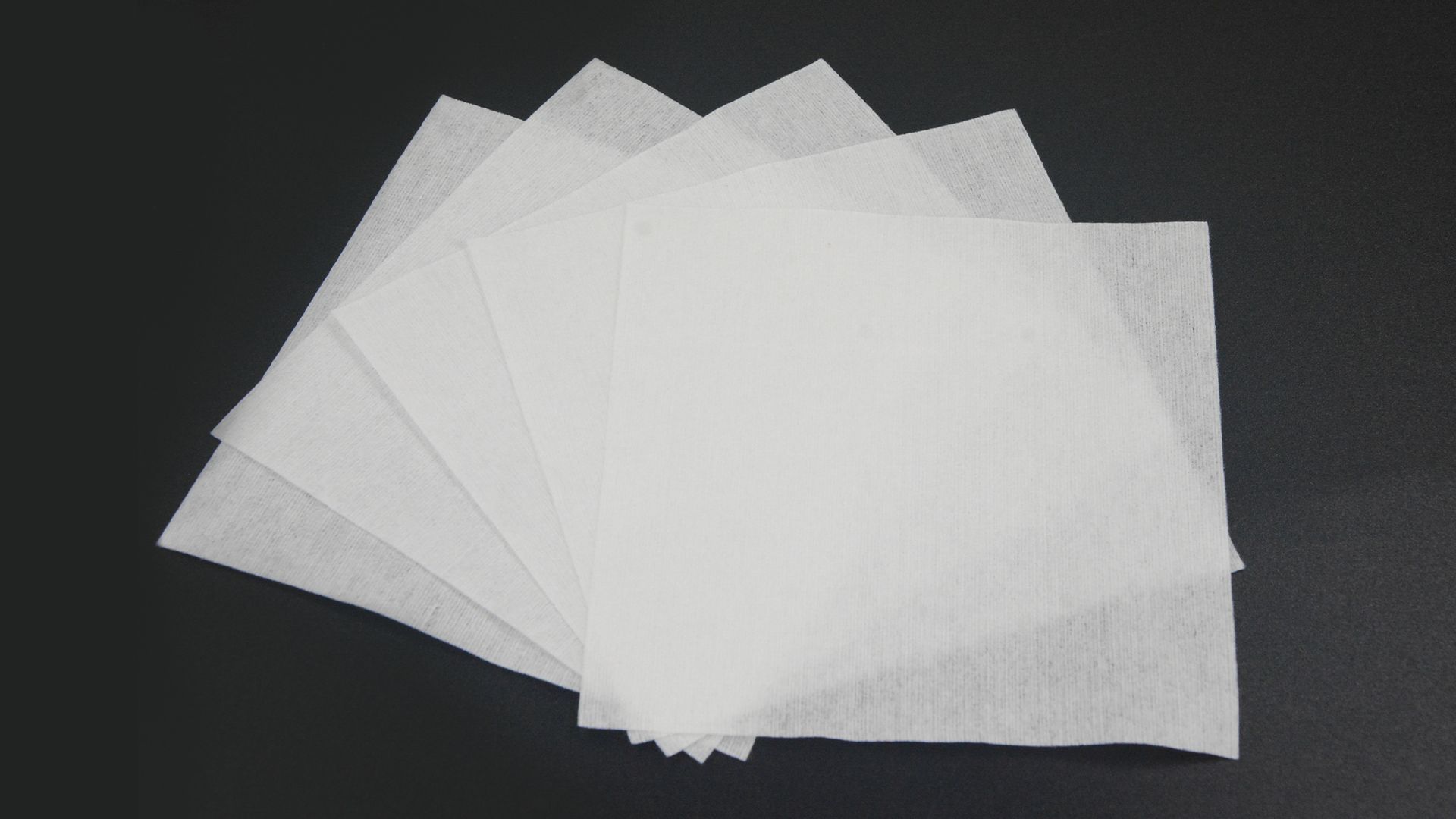
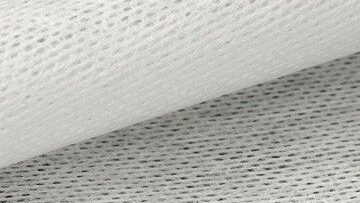
In a modern semiconductor fab, a single nanoparticle can ruin an entire die. Therefore, cleanroom wipes play a much more critical role than most people realize. Indeed, they are used to clean equipment chambers, wafer carriers, reticle pods, and workbenches. As a result, the choice of wipes directly influences defect density and overall yield.
From Cleaning to Prevention: The Real Role of Wipes
To begin with, cleanroom wipes are not just cleaning tools – they are process consumables. If you use wipes with high particle generation, you are essentially introducing a mobile contamination source into your cleanroom. Consequently, these particles can land on wafers and cause bridging or open circuits. That is why leading fabs classify wipes as critical process materials and audit them with the same rigor as chemicals or gases.
Customized Development for Advanced Nodes
Moreover, as EUV lithography and 3D NAND stacking become mainstream, standard wipes no longer meet the requirements. For example, in EUV reticle cleaning, wipes must release extremely low levels of AMC (Airborne Molecular Contaminants). To address this challenge, we have co‑developed double‑rinsed and heat‑treated wipes. In turn, these wipes reduce AMC outgassing by more than 80% compared to ordinary products.
Real‑World Data: From 120 ppm to 75 ppm Defect Rate
Additionally, a major wafer fab performed a side‑by‑side comparison. Our wipes provided complete LPC and ion chromatography reports. Furthermore, we helped the customer build a correlation model between wipes usage and wafer surface scan results. The outcome was clear: by switching to our optimized cleanroom wipes, the defect rate dropped from 120 ppm to 75 ppm. As a result, the fab achieved millions of dollars in annual yield improvement.
In summary, selecting cleanroom wipes for semiconductor manufacturing is not a cost decision – it is a technical decision. If you are facing yield bottlenecks or customer complaints about particles, consider starting with this often‑overlooked consumable. Sometimes, a small change in wipes can lead to a big breakthrough in yield.