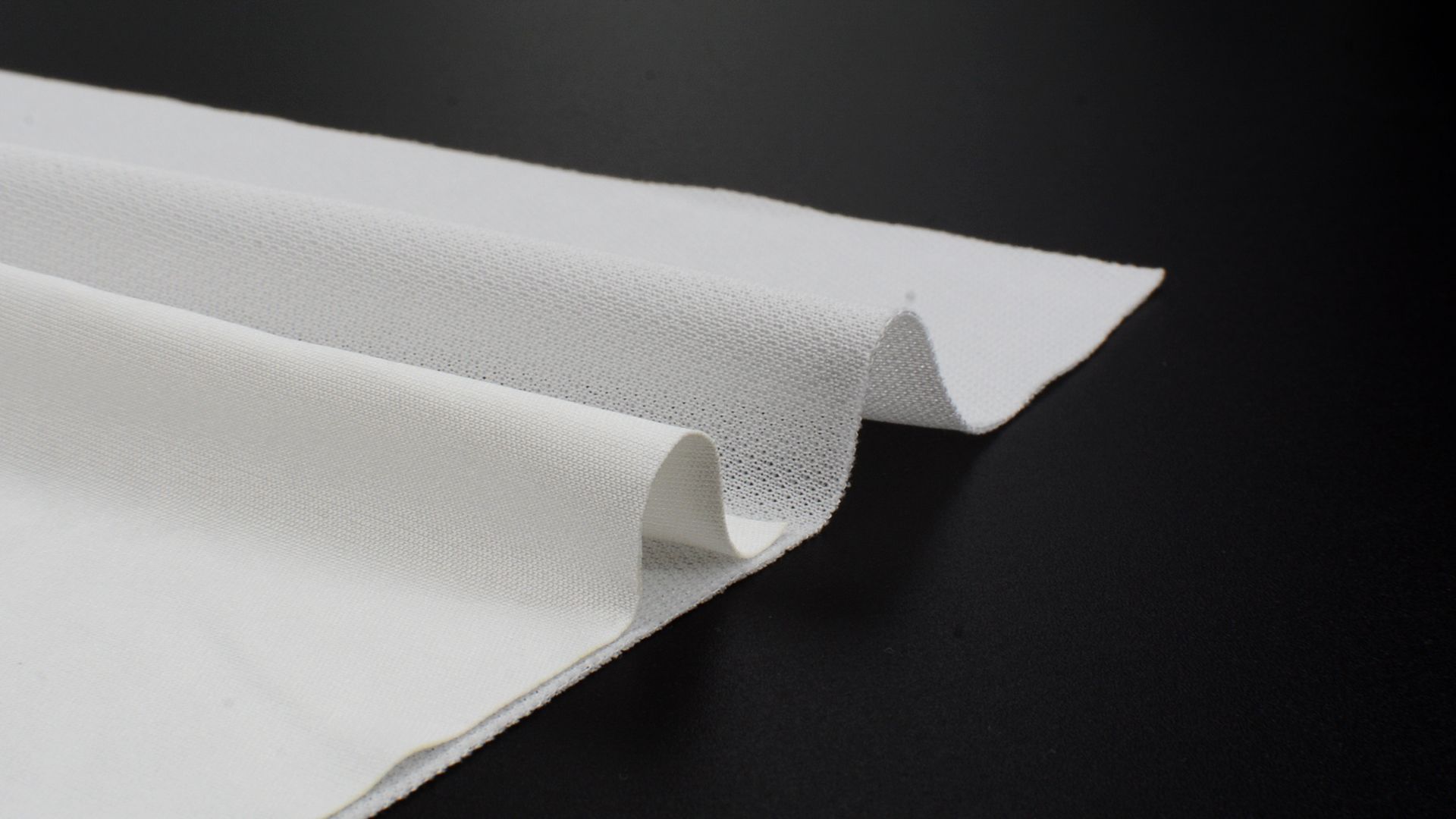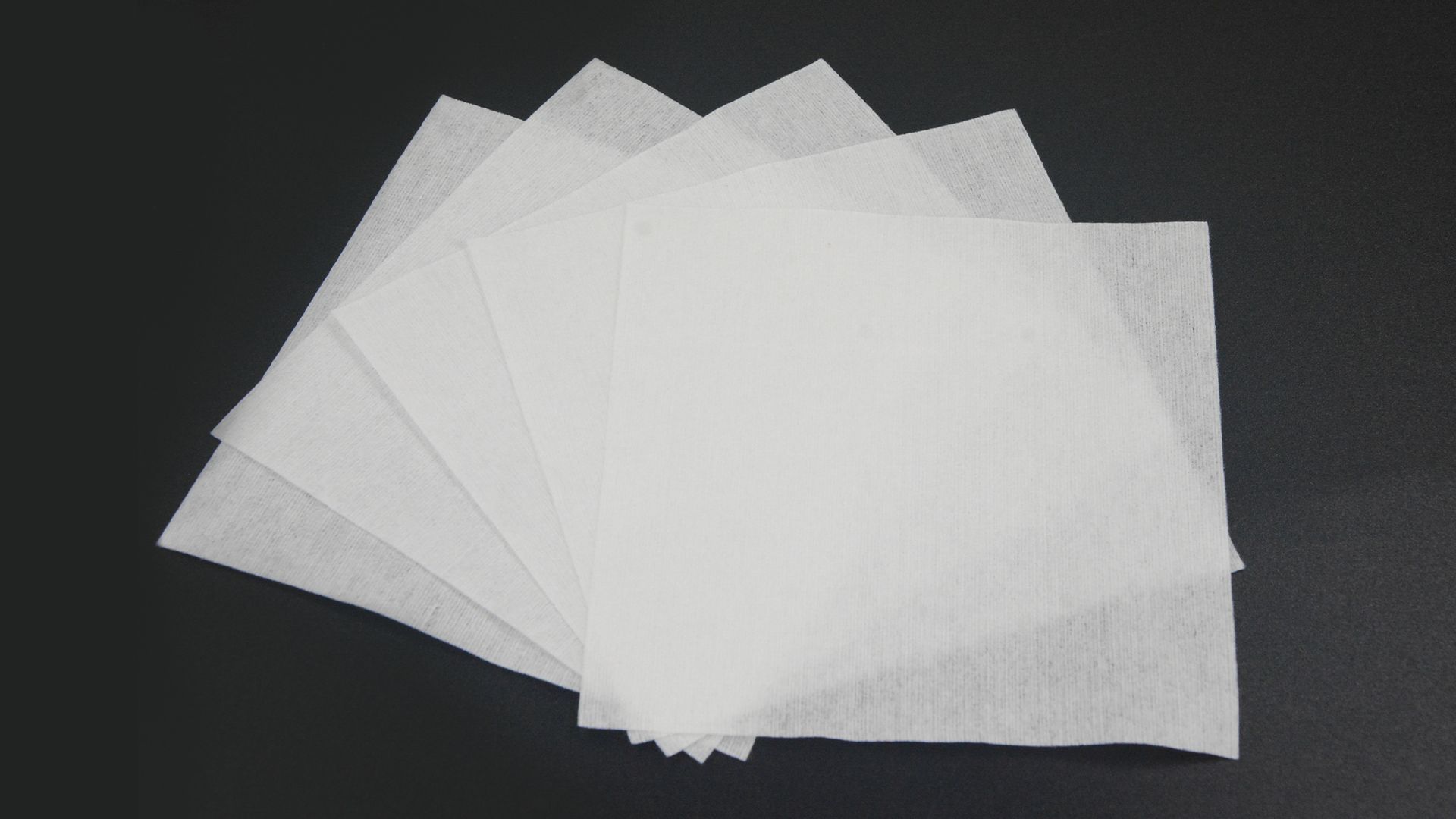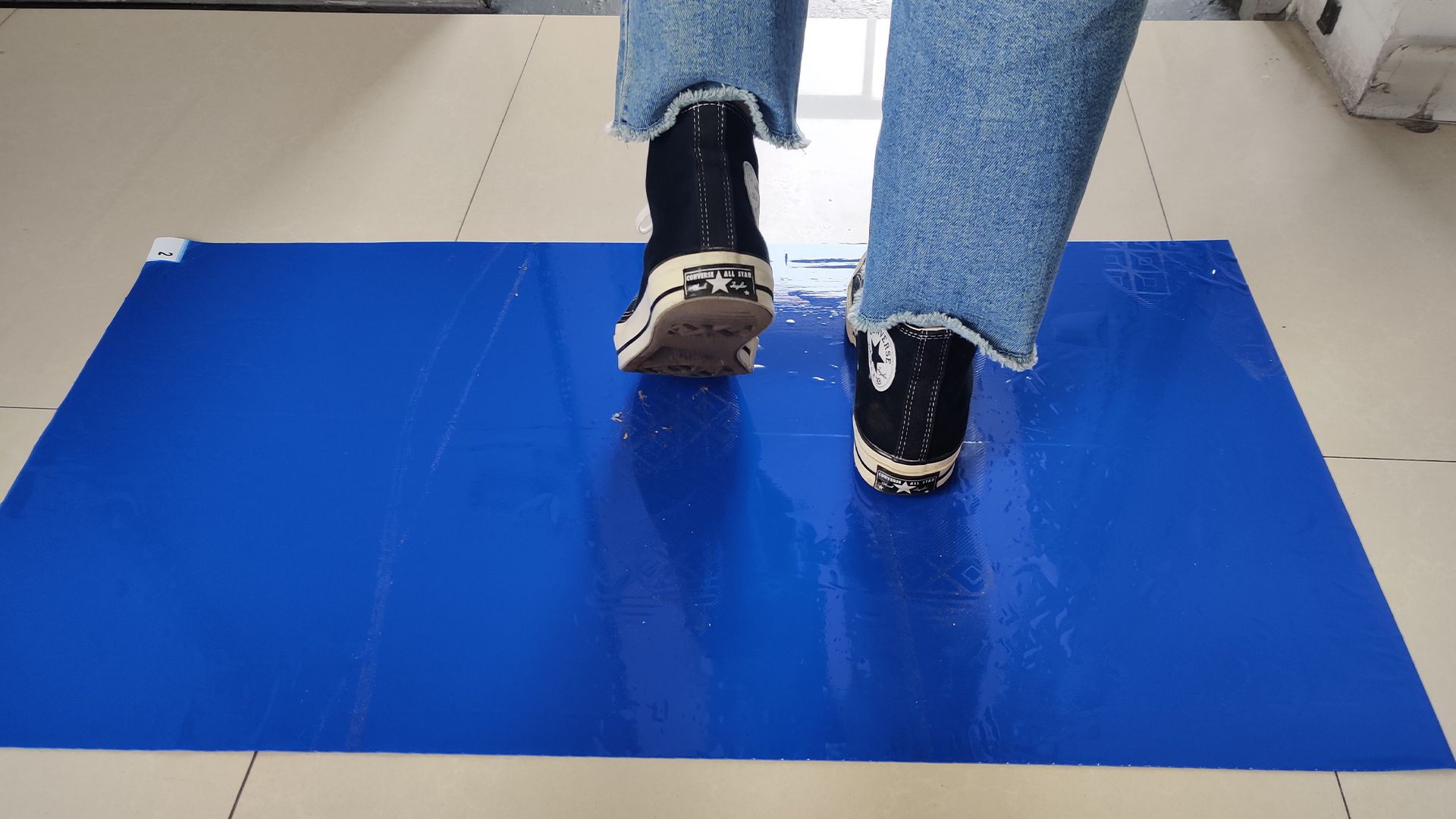

ESD damage costs electronics manufacturers over $50 billion annually. Learn how ESD protective clothing works, key selection criteria (surface resistance, triboelectric voltage), proper usage, and maintenance best practices to safeguard product quality.
Introduction: The Invisible Threat to Electronics
You’ve probably felt a small static shock when touching a metal door handle. That harmless spark – often over 3,500 volts – is enough to cause discomfort. But for sensitive electronic components, even 10 to 100 volts can destroy or fatally weaken them. And here’s the scary part: humans cannot feel any ESD event below 3,500V.
The result? The electronics industry loses an estimated $50 billion annually due to ESD-related failures – including latent defects that only appear after products reach customers.
One of the most effective yet often misunderstood lines of defense is ESD protective clothing. This article explains how it works, how to choose the right one, and how to maintain it for maximum protection.
How ESD Protective Clothing Works
Ordinary clothing – especially synthetic fabrics like polyester or nylon – can generate extreme static charges through simple body movements. Cotton is better but still insufficient in dry environments (relative humidity <30%).
ESD protective clothing uses two primary technologies:
Conductive fiber blending – Stainless steel, carbon, or copper sulfide fibers are woven into the fabric, creating a continuous conductive network. Static charges dissipate through these fibers to ground.
Antistatic finish – Hydrophilic surface agents absorb trace moisture from the air, forming a thin conductive layer that leaks static charges.
High-quality ESD garments combine both methods for optimal performance and wash durability.
Key ESD Standards & Performance Data
Compliant ESD protective clothing must meet specific electrical parameters. Below are the most common industry requirements:
| Parameter | Standard (ANSI/ESD STM2.1 / IEC 61340-5-1) | Typical Value |
|---|---|---|
| Surface resistance (point-to-point) | 10⁵ – 10⁹ ohms | 10⁶ – 10⁸ ohms |
| Triboelectric (friction) voltage | < 100 volts (preferred) or < 500 volts | ≤ 50 volts for high-grade |
| Charge decay time (50% to 10%) | < 2 seconds | 0.1 – 0.5 seconds |
| Wash durability | ≥ 50 industrial washes | 50 – 100 washes |
⚡ Component sensitivity: Many MOSFETs, microchips, and sensors fail at just 30–100 volts
Maintenance: One Wrong Wash, One Entire Failure
Improper laundering is the #1 killer of ESD protective clothing. Follow these rules:
| Do | Don’t |
|---|---|
| Use neutral or slightly acidic detergent (pH 6–7) | Use fabric softener or antistatic spray – they block conductive fibers |
| Wash at ≤40°C (104°F) | Hot water (>60°C) damages carbon filaments |
| Gentle cycle, low spin | Aggressive mechanical action breaks conductive threads |
| Air dry or low-temp dryer (<50°C) | High heat melts or weakens conductive coatings |
| Wash separately from non-ESD textiles | Cross-contamination with lint or standard detergents |
ESD protective clothing is far more than a uniform – it’s the first line of defense against an invisible, expensive threat. From conductive fiber spacing to proper laundering, every detail matters.
Key takeaways:
Choose garments with ≤1 cm conductive grid spacing and verified surface resistance (10⁶–10⁸ ohms)
Always pair with ESD footwear and full-body grounding
Implement a quarterly electrical retest and replacement policy
Never use fabric softener – it destroys conductivity
In the battle against latent ESD failures, the right clothing – worn and maintained correctly – is your most cost-effective weapon.