
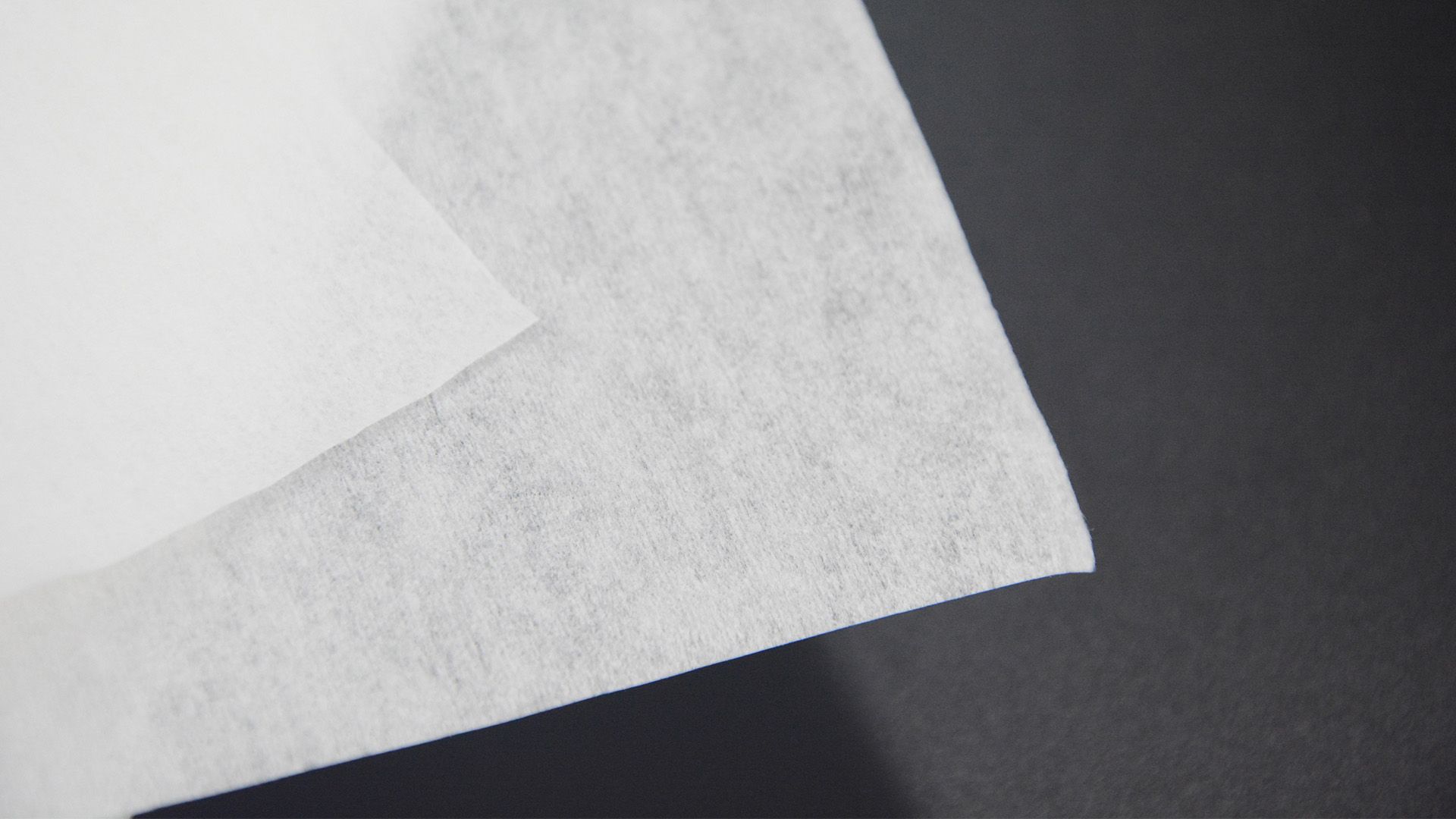
What’s the Real Difference Between Polyester and Microfiber Cleanroom Wipes?
We compared polyester and microfiber wipes head-to-head for particle emission, absorbency, chemical resistance, and cost per wipe. Full lab data and industry recommendations inside. Product Parameters – Direct Comparison Parameter Polyester (Continuous Filament) Microfiber (70/30 Poly/Nylon Split) Fiber construction 100% polyester, nonwoven or knit Split fiber, typically 0.2–0.4 denier GSM range 80 – 120 gsm
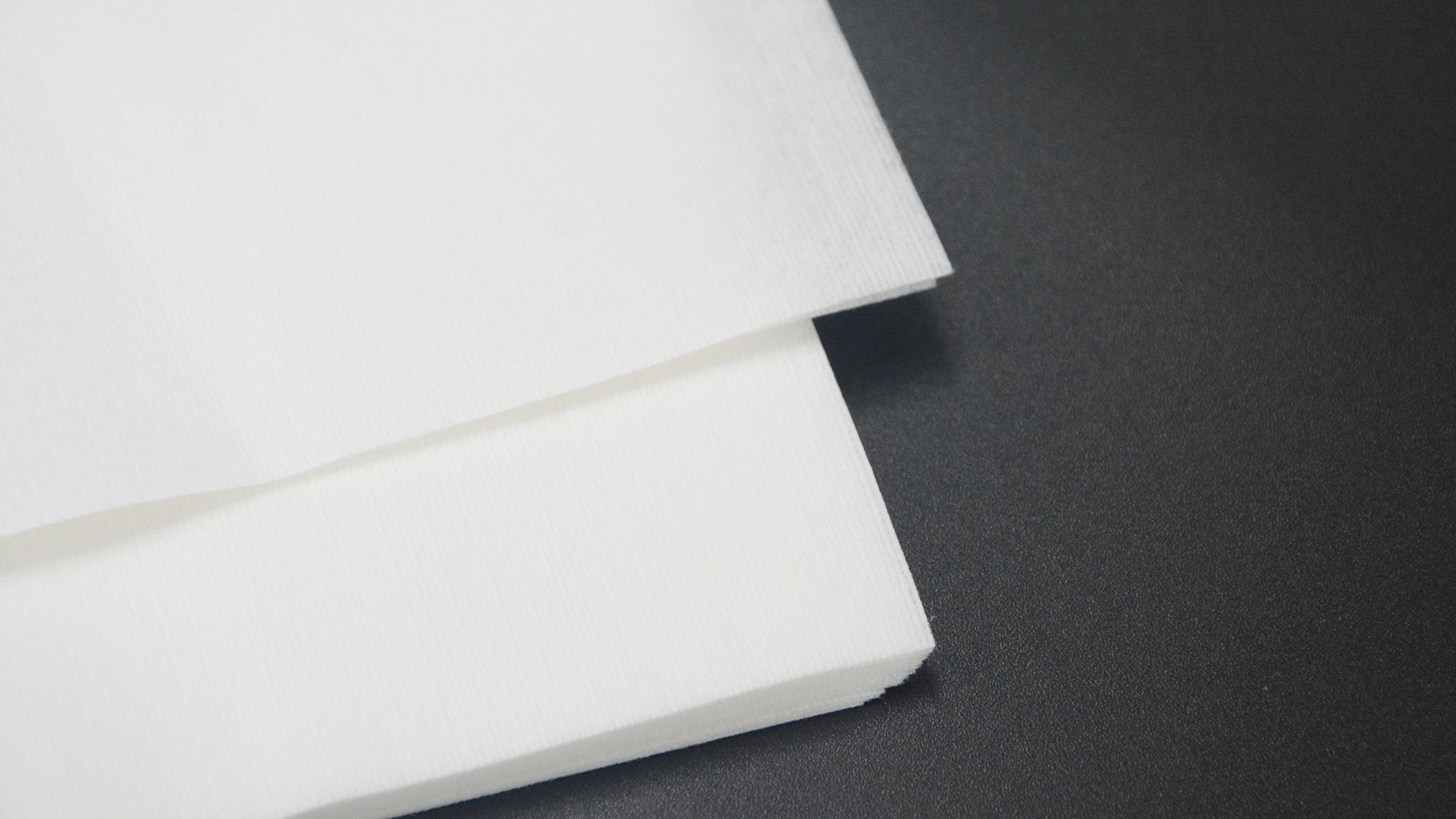
Cleaning Validation for Implantable Medical Devices: Practical Guide Using Wipes and HPLC Residue Detection
Residues on implantable devices (e.g., pacemaker housing inner walls) must be controlled to microgram levels. This article presents a validation workflow based on ISO 19227: laser‑sealed wipes with 70% IPA followed by HPLC residue detection. Data show that after three wipes, total organic carbon residue falls below 0.5 μg/cm² and bioburden pass rate reaches 100%. Includes sampling
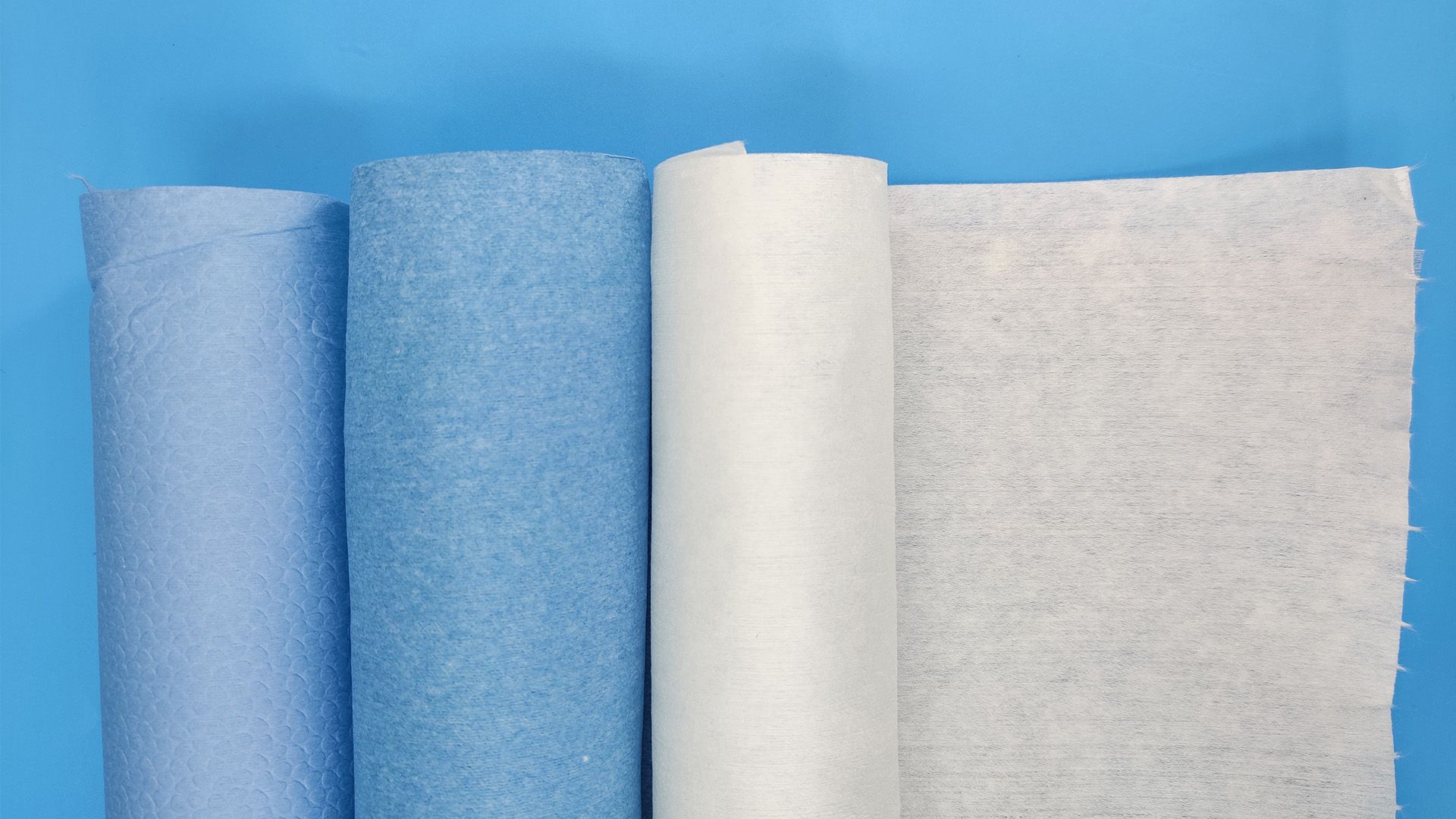
Gyroscope Float Fluid Cleaning Standard: Three‑Step Wipe Method Reduces Particle Contamination by 96%
Float fluid cleanliness in aviation gyroscopes directly affects navigation accuracy. This article presents measured data based on IEST‑RP‑CC004.4: using a 68 gsm laser‑sealed wipe with HFE solvent, the three‑step method reduces ≥5 µm particles from an average of 850 per component to 32 per component, raising the first‑pass pass rate from 72% to 98%. Includes detailed operating
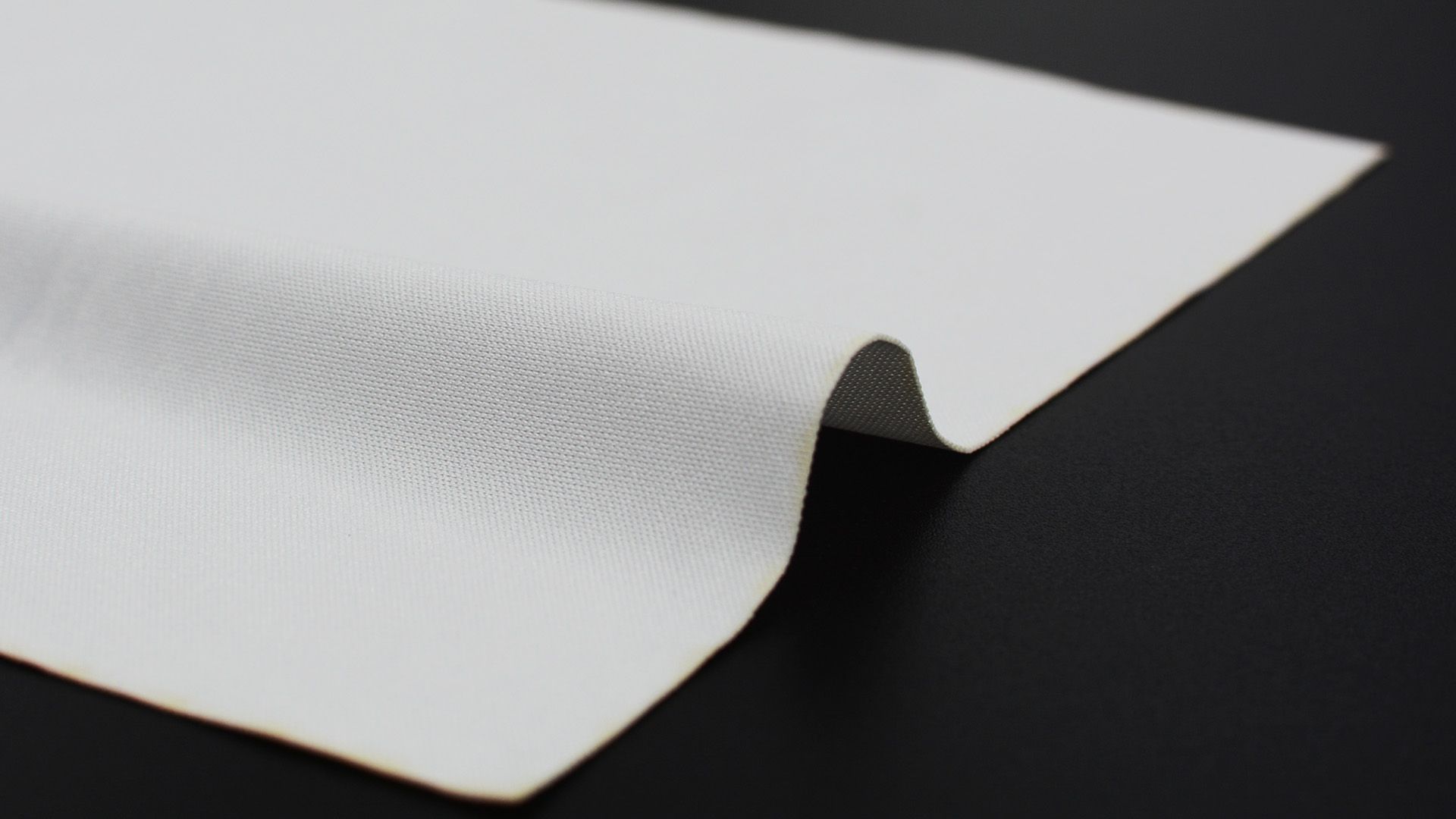
How to Wipe Precision Surfaces Correctly: 7 Steps to Reduce Particle Residue and Cross‑Contamination
Buying a good cleanroom wipe does not automatically mean your surfaces will be clean. The wiping technique matters—even the most expensive wipe will make things worse if used incorrectly. Below we break down the standard precision wiping process into seven practical steps. Step 1: Prepare the environment and tools Work in a cleanroom or at
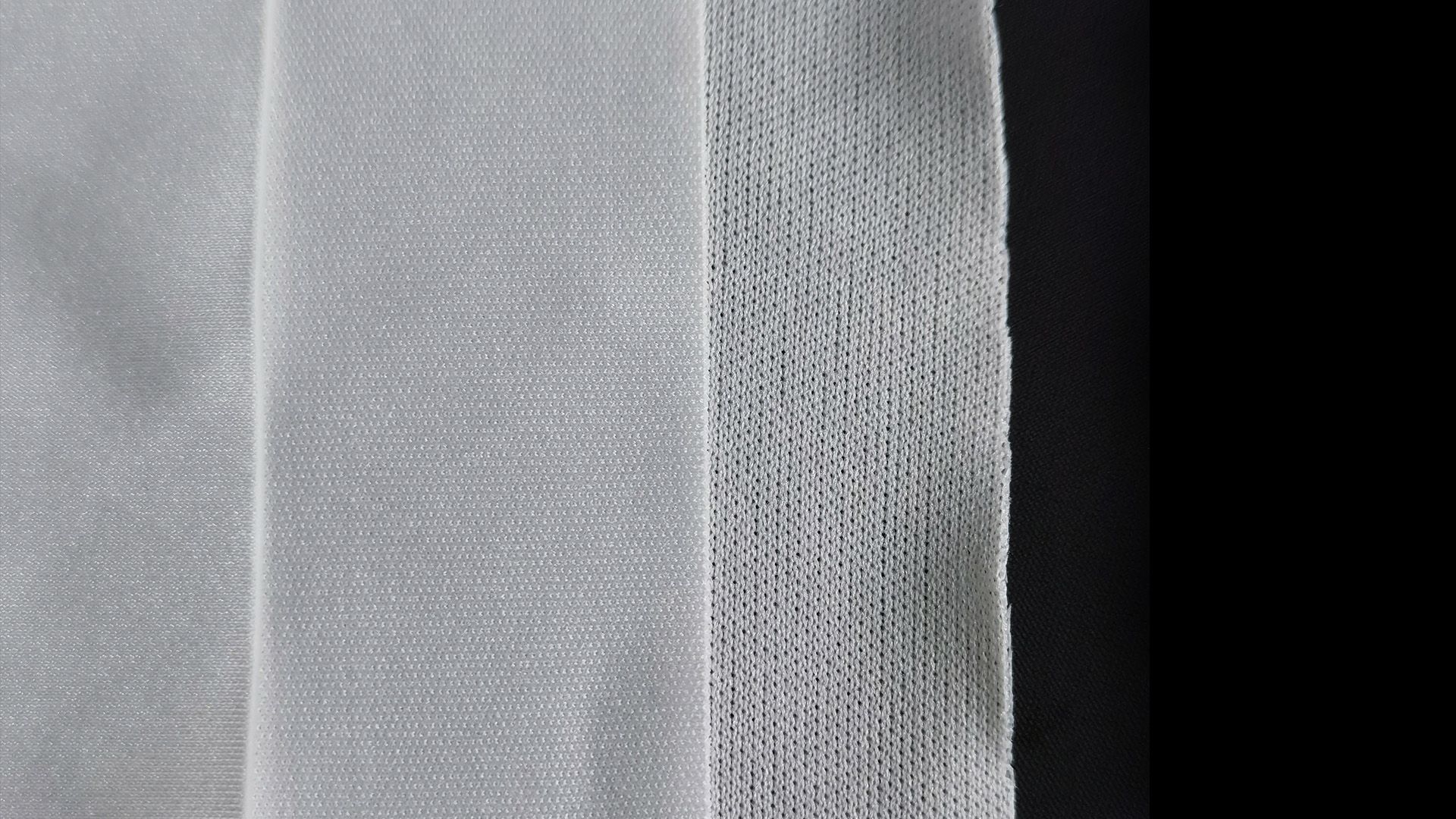
Cleanroom Wipe Selection Guide: How to Choose the Right Specification Based on GSM, Particle Shedding, and Material
In electronics manufacturing, semiconductor packaging, optical lens cleaning, and laboratory cleanrooms, wipes are one of the most basic consumables – and also one of the easiest to get wrong. Buying a cheap pack often leaves lint all over the surface. Buying an expensive one doesn’t always tell you what you are paying for. Below we
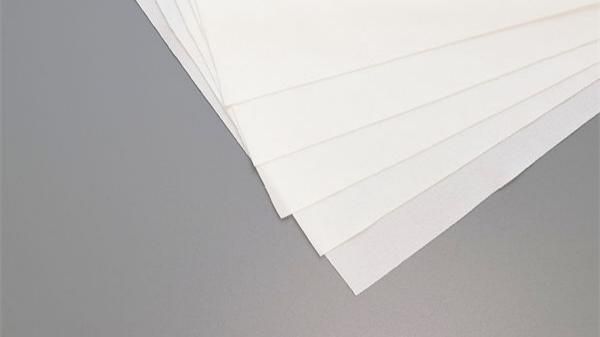
Cleaning and Maintaining Cleanroom Wipes: How to Extend Life and Keep Performance Stable
Many people think that using a wipe once and throwing it away is wasteful, so they wash and reuse them. But cleanroom wipes are not ordinary rags—their performance degrades progressively with each wash. Below we use measured data to explain when washing is allowed, how to do it, and after how many washes you must