Residues on implantable devices (e.g., pacemaker housing inner walls) must be controlled to microgram levels. This article presents a validation workflow based on ISO 19227: laser‑sealed wipes with 70% IPA followed by HPLC residue detection. Data show that after three wipes, total organic carbon residue falls below 0.5 μg/cm² and bioburden pass rate reaches 100%. Includes sampling methods, detection limits, and acceptance criteria.
Pre‑clean: Blow the inner surface with nitrogen for 10 seconds to remove loose particles.
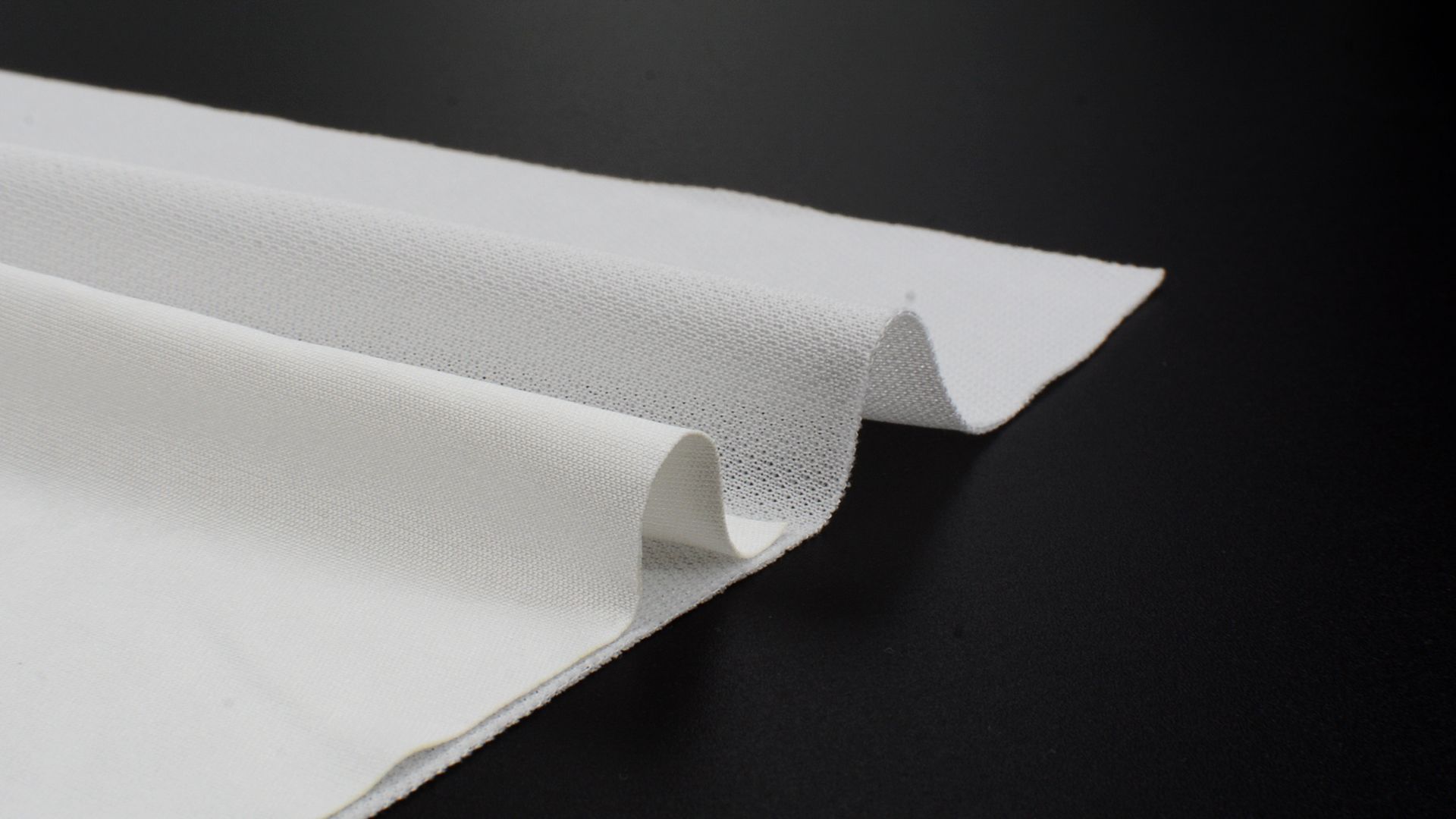
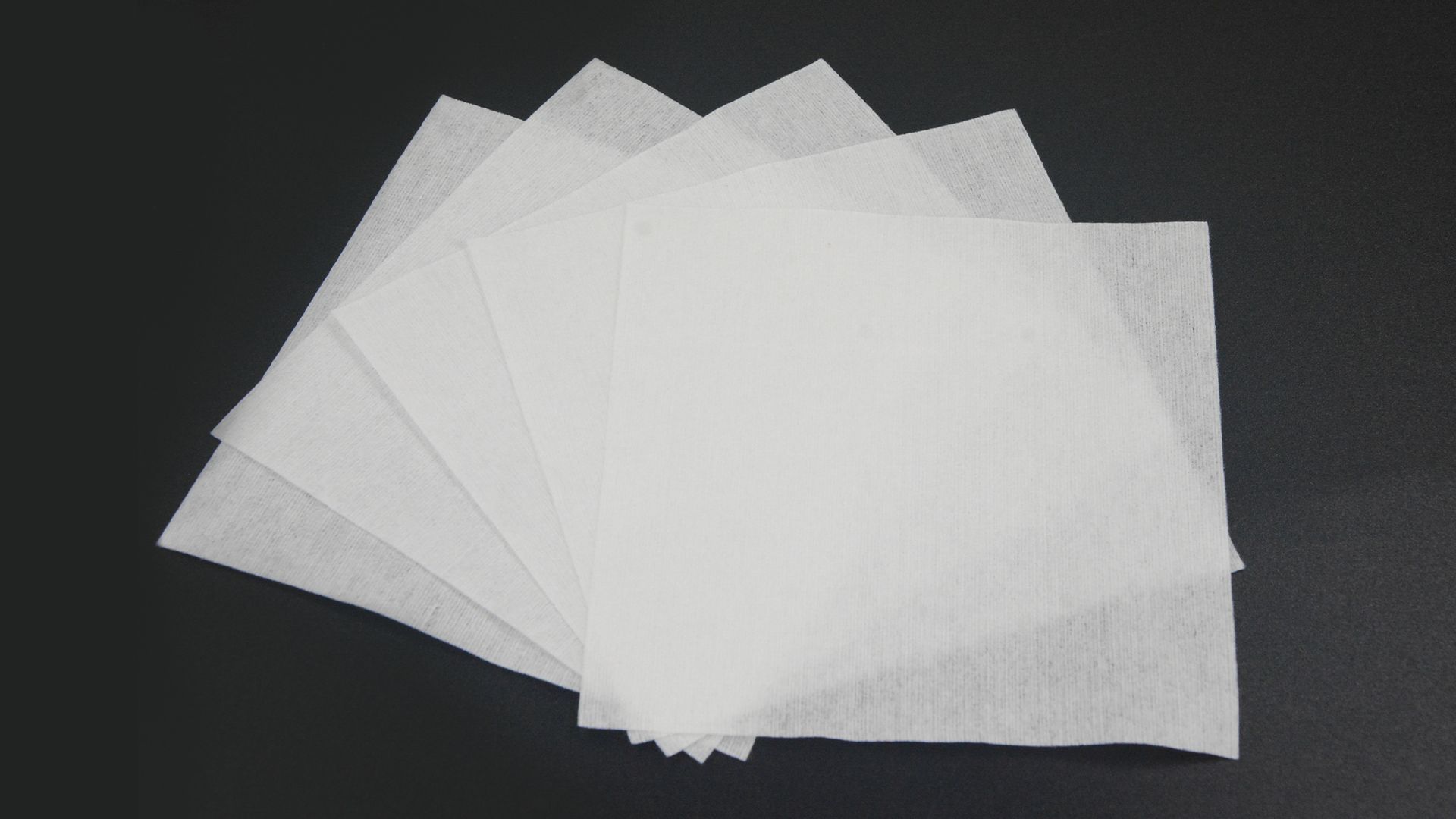
First wipe: Dip a wipe square into 70% IPA and squeeze out excess (wet weight ≈2.5× dry weight). Use tweezers to wipe all inner surfaces unidirectionally, using each side only once.
Second wipe: Take a fresh square and repeat step 2 in a direction perpendicular to the first.
Third wipe: Use a dry square (no solvent) to gently absorb the surface.
Drying: Air dry under a laminar flow hood for 15 minutes.
Residue sampling and testing
Sampling method: On the cleaned inner wall, use a cotton swab wetted with ultrapure water to wipe a 1×1 cm area (three representative locations per housing). Place the swab in 10 ml of ultrapure water and sonicate for 5 minutes to obtain the extract.
Test methods:
TOC (total organic carbon): Measure TOC of the extract and convert to carbon mass per unit area.
HPLC: For specific cutting oil components, establish a standard curve and measure peak areas.
Detection limits:
TOC detection limit: 0.1 μg/cm²
Quantitation limit: 0.3 μg/cm²
Acceptance criterion: ≤1.0 μg/cm²
Validation data
Thirty housings were cleaned and sampled:
| Number of wipes | Mean TOC residue (μg/cm²) | Maximum residue (μg/cm²) | Pass rate (≤1.0) |
|---|---|---|---|
| 1 | 4.2 | 6.8 | 0% |
| 2 | 1.5 | 2.3 | 43% |
| 3 | 0.32 | 0.58 | 100% |
| 4 | 0.28 | 0.45 | 100% (excessive) |
Conclusion: Three wipes reliably meet the limit; a fourth wipe adds no significant benefit.
Bioburden testing
After cleaning, the inner wall was swabbed with a sterile cotton swab and inoculated on TSA plates, incubated at 35 °C for 48 hours. All 30 samples showed 0 CFU/device (<1 CFU), 100% pass rate.
Standard operating procedure
Use three wipe squares per housing (two wet wipes + one dry wipe).
Wiping direction must be unidirectional – never back‑and‑forth.
After each wipe, inspect the wipe surface. If a visible dark line (polishing paste) is present, add an extra wet wipe.
Weekly, randomly select one housing for TOC testing to verify process stability.