Float fluid cleanliness in aviation gyroscopes directly affects navigation accuracy. This article presents measured data based on IEST‑RP‑CC004.4: using a 68 gsm laser‑sealed wipe with HFE solvent, the three‑step method reduces ≥5 µm particles from an average of 850 per component to 32 per component, raising the first‑pass pass rate from 72% to 98%. Includes detailed operating steps and pressure control parameters.
An aviation gyroscope manufacturer found that about 8% of gyros failed drift tests due to particles in the float fluid. Disassembly analysis showed contaminants were mainly aluminium chips (from housing machining), fibres (from ordinary wipes), and solder balls. The cleaning process was the bottleneck
Cleanliness target
According to GJB 1640‑93, gyroscope float fluid must meet NAS 1638 Class 2: ≤640 particles ≥5 µm per 100 ml, ≤32 particles ≥15 µm per 100 ml, and no visible fibres.
Material selection
| Material | Specification | Reason |
|---|---|---|
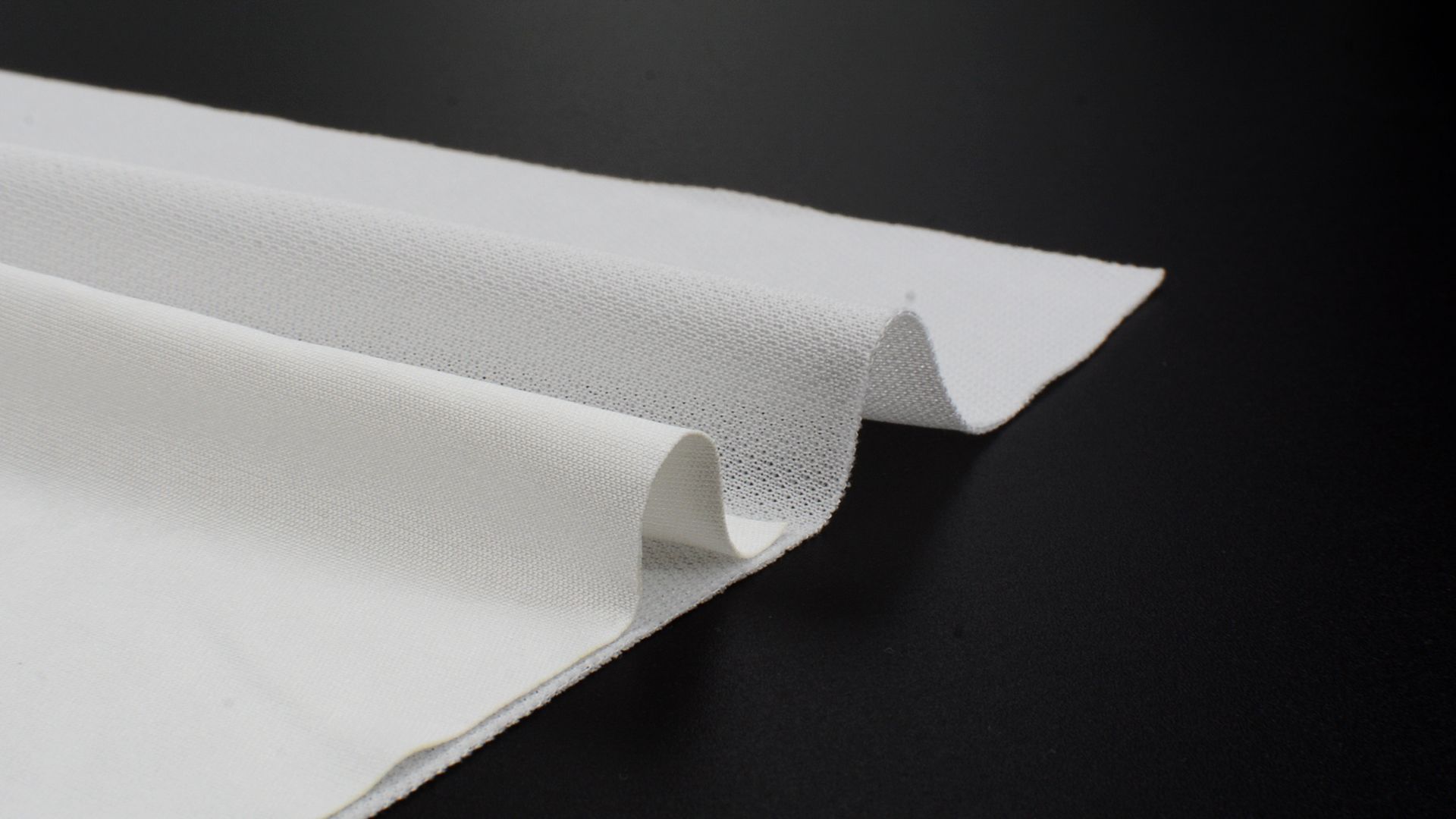
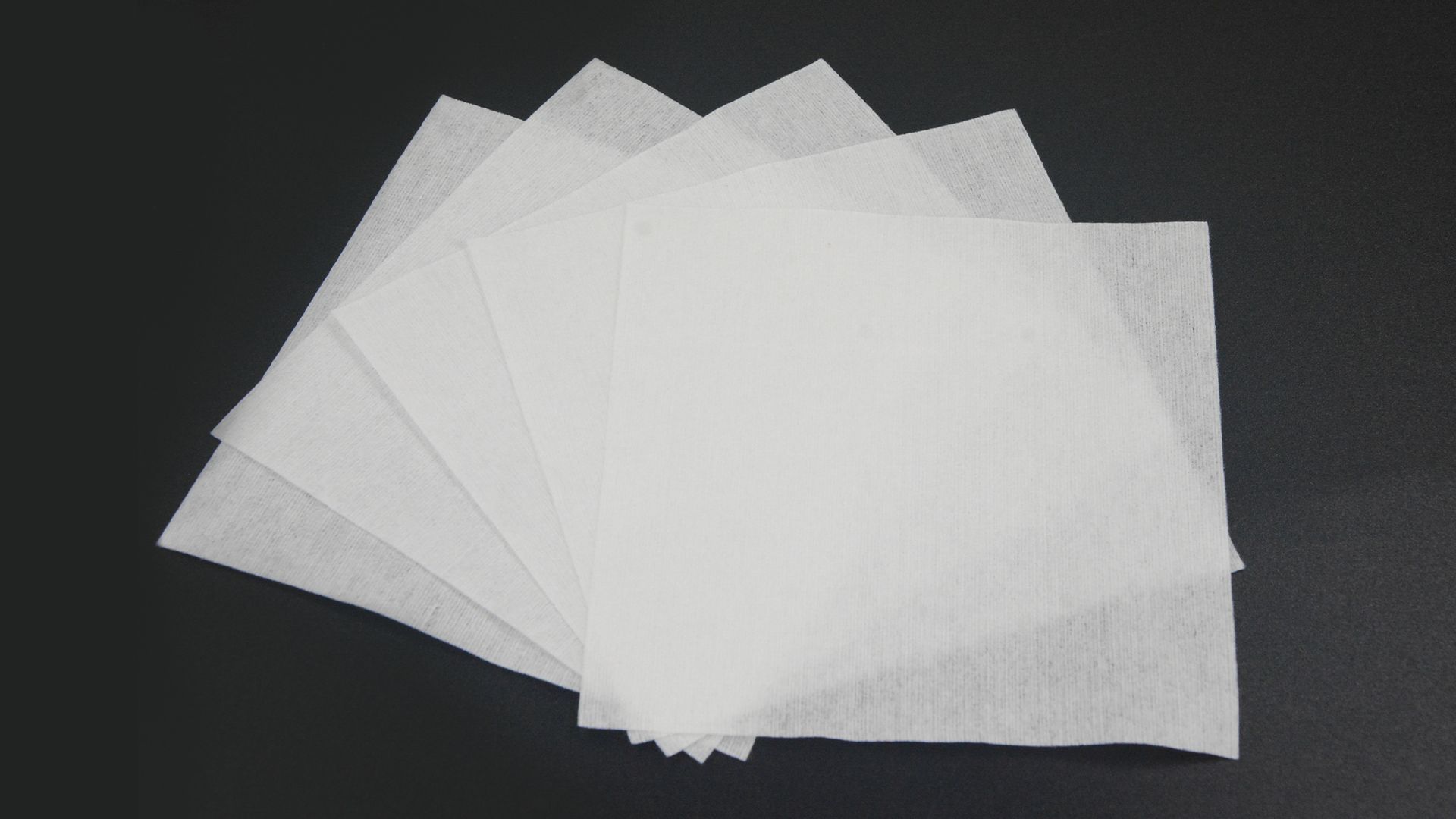
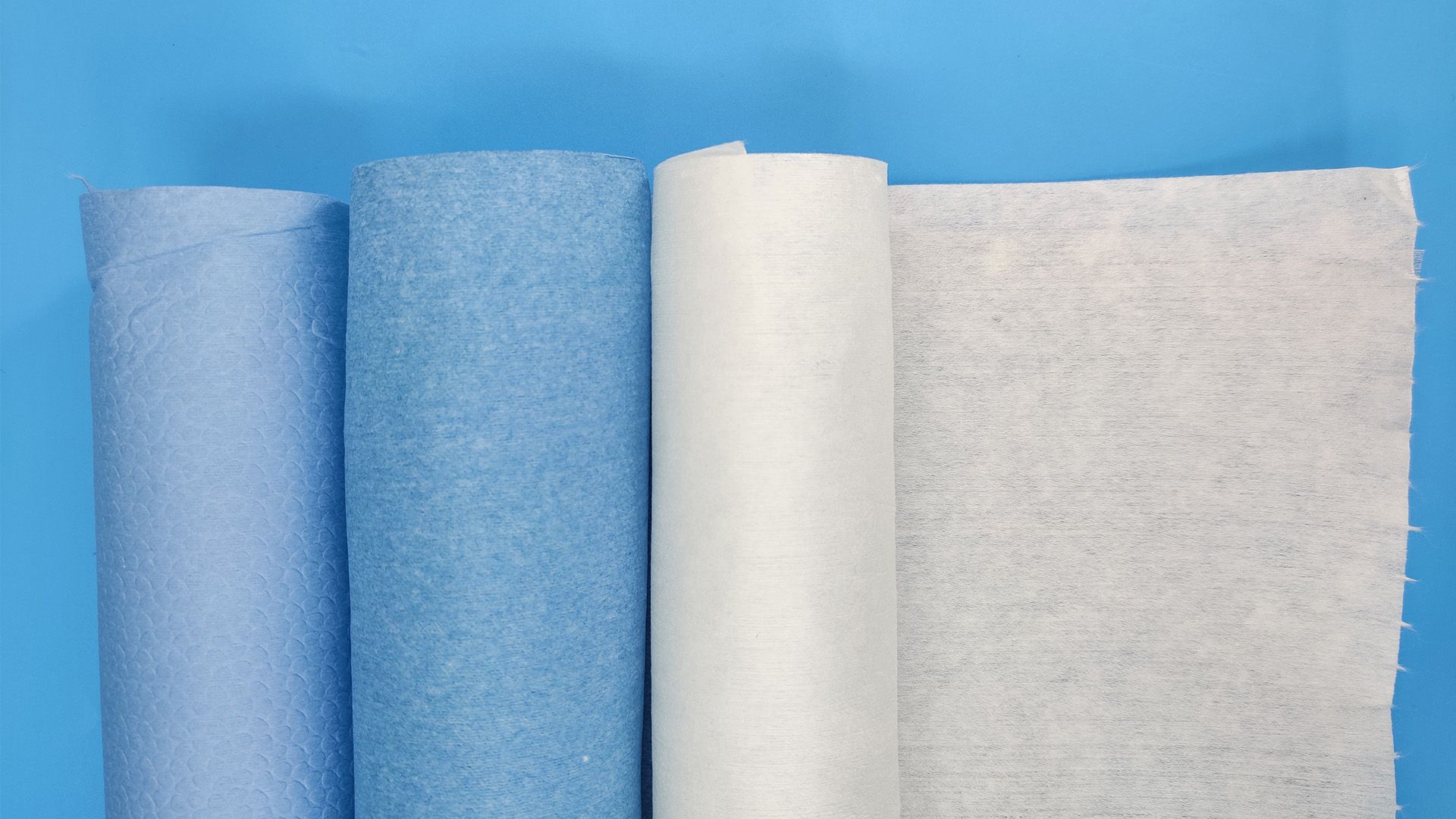
| Wipe | 68 gsm, laser‑sealed, 100% polyester | Particle shedding ≤800/m² (third‑party test) |
| Solvent | HFE‑71IPA (hydrofluoroether + IPA blend) | Good solubility for fluid residues, fast evaporation, non‑corrosive |
| Tool | Stainless steel tweezers with silicone‑tipped ends | Prevents scratching of precision surfaces |
Take a wipe and fold it into four layers. Use a dropper to apply 0.5 ml of HFE solvent to the centre of the folded pad and wait 5 seconds for even penetration. Hold one corner with tweezers and wipe from the centre of the component outward in a spiral. Change the wipe side every 120° of rotation. One folded wipe provides at most four clean sides.
Pressure control: Calibrate wiping force using a balance – place the component on the balance and wipe so that the reading increases by 20–30 g. Too much force damages precision surfaces; too little gives poor cleaning.
Step 2 – Dry wipe absorption (removes suspended particles)
Before the solvent completely evaporates (within ≈10 seconds), take a second dry wipe and gently sweep the same area in the same direction. This absorbs residual solvent and carries away dissolved contaminants.
Step 3 – Nitrogen blow and inspection
Use 0.2 MPa clean nitrogen at a 45° angle, distance 5 cm, for 3 seconds. Inspect the surface under a 1000 lux fibre‑optic light at a 15° incidence angle – no water spots, no fibres, no bright spots. If particles are found, use tweezers to pick up a single wipe folded in half and touch‑remove them.
Effectiveness data
Fifty gyroscope components were tested before and after cleaning (float fluid samples analysed with a liquid particle counter):
| Parameter | Before cleaning (mean) | After cleaning (mean) | Acceptance limit |
|---|---|---|---|
| Particles ≥5 µm/100 ml | 850 | 32 | ≤640 |
| Particles ≥15 µm/100 ml | 124 | 3 | ≤32 |
| Visible fibres per component | 2.4 | 0 | 0 |
| First‑pass pass rate | 72% | 98% | — |
Operational precautions
Use a fresh wipe for each component – do not reuse.
Keep the solvent bottle nozzle clean; cap it immediately after dispensing to prevent water absorption.
Operators must wear nitrile gloves to avoid skin oil contamination.
Cleaned components must be assembled into the gyroscope within 15 minutes, otherwise reclean.
After adopting this standard, the plant increased the gyroscope drift test first‑pass yield from 89% to 97.5%, saving ≈¥1.8 million per year in rework costs.