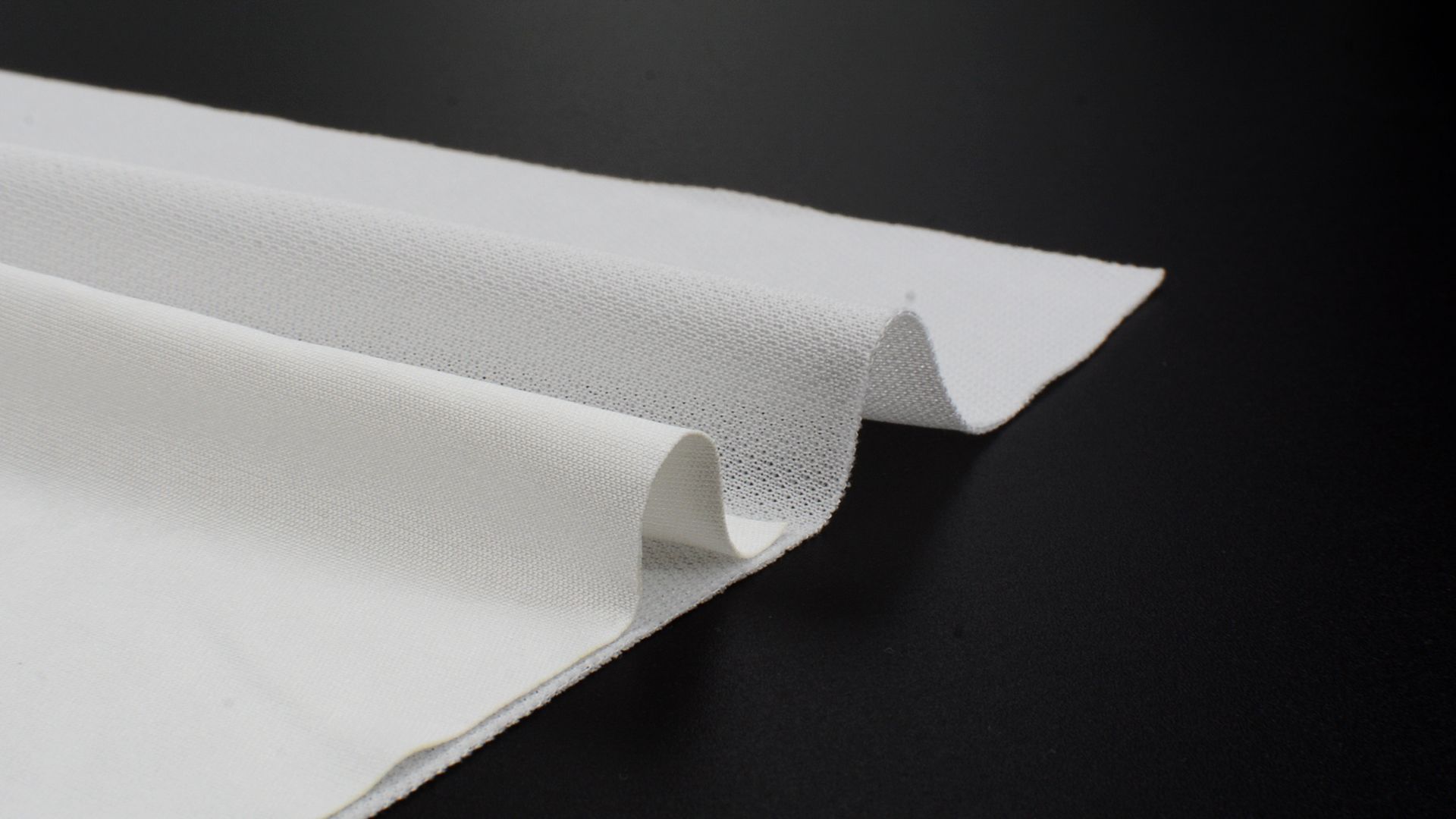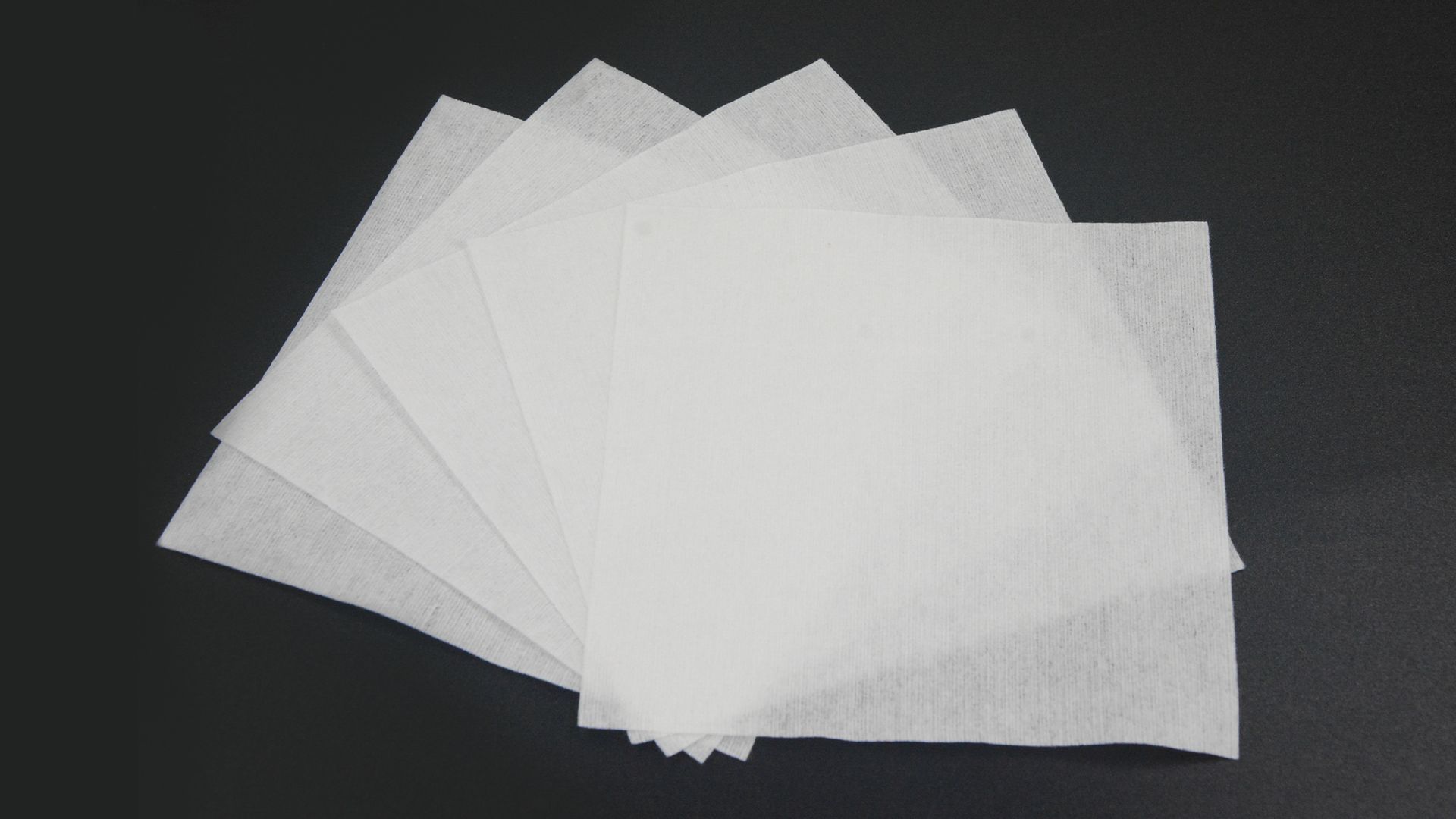
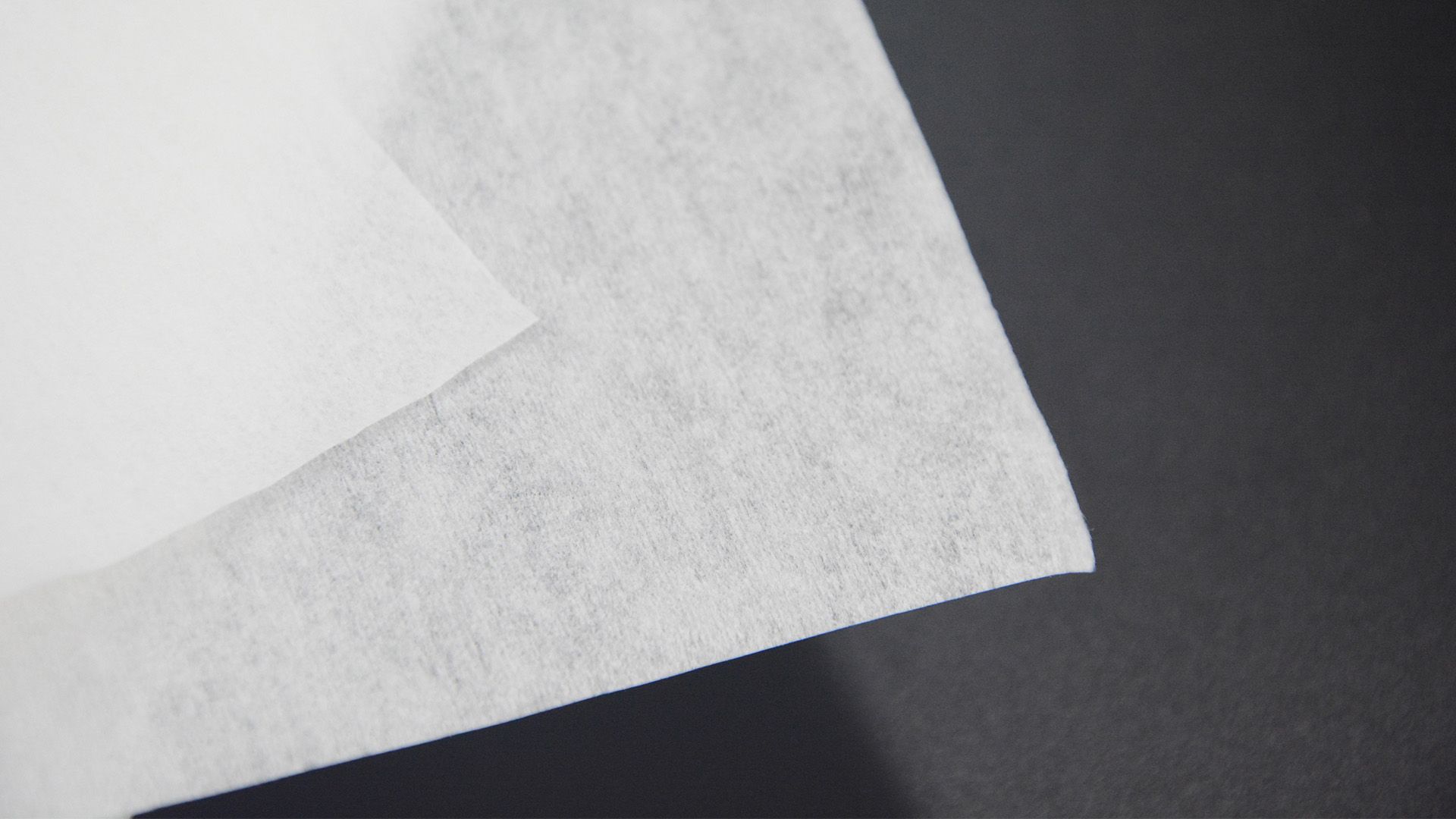
We compared polyester and microfiber wipes head-to-head for particle emission, absorbency, chemical resistance, and cost per wipe. Full lab data and industry recommendations inside.
Product Parameters – Direct Comparison
| Parameter | Polyester (Continuous Filament) | Microfiber (70/30 Poly/Nylon Split) |
|---|---|---|
| Fiber construction | 100% polyester, nonwoven or knit | Split fiber, typically 0.2–0.4 denier |
| GSM range | 80 – 120 gsm (light to medium) | 110 – 240 gsm (medium to heavy) |
| Absorbency capacity (ml/m²) | 280 – 350 | 450 – 600 |
| Absorption rate (ml/sec/100cm²) | 0.42 – 0.50 | 0.28 – 0.35 |
| Particle emission (≥0.5µm, IEST-RP-CC004.3) | 4 – 8 million/m² | 1.0 – 2.5 million/m² |
| NVR (non-volatile residue, mg/wipe) | <0.10 | <0.15 (some variants higher) |
| Chemical resistance | Excellent (IPA, acetone, ethanol, mild acids) | Good (avoid strong acids, bleach) |
| Cost per wipe (typical, bulk) | $0.03 – $0.12 | $0.10 – $0.35 |
Applications & Industry Recommendations
Semiconductor fabs (ISO 3–5): Microfiber preferred for final cleaning of wafers and mask aligners because split fibers capture sub-micron particles.
Medical device assembly (ISO 6–7): Polyester wipes with IPA are standard for cleaning surgical instruments before packaging.
Optics and lens coating: Microfiber eliminates smears, but only if the wipe is laundered and sealed.
Automotive paint prep: Polyester wipes for solvent-based tack-off; microfiber for waterborne basecoats.
In-Depth Data & Analysis
We ran a controlled test based on IEST-RP-CC004.3 using a laser particle counter. A 10cm x 10cm polyester wipe (100 gsm) released 6.2 million particles ≥0.5µm when rubbed across a glass plate. The microfiber wipe (180 gsm) released only 1.8 million – a 71% reduction. However, the microfiber absorbed liquid 34% slower because of its denser structure.
What about chemical resistance? Polyester wipes soaked in 99% IPA for 24 hours showed no fiber degradation. Microfiber wipes in the same test lost 8% of tensile strength. For acetone, polyester held up perfectly; microfiber became slightly stiff after repeated exposure.
Cost-effectiveness: A polyester wipe costs about one-third of a microfiber wipe. If your application requires low particle count but not extreme absorbency, polyester at double the usage might still be cheaper than microfiber. But for critical cleaning where one missed particle kills a chip, microfiber’s lower emission is worth the added cost.
Real-World Example
A hard disk drive manufacturer switched from polyester to microfiber wipes for final head cleaning. Their head crash rate from particle contamination dropped from 0.8% to 0.09% over six months. The wipe cost tripled, but the yield gain saved $1.2 million annually.
Summary Recommendation
| If you need… | Choose… |
|---|---|
| Lowest particle shedding | Microfiber (laser-sealed) |
| Fast solvent absorption | Polyester knit |
| Chemical resistance (acetone, aggressive solvents) | Polyester nonwoven |
| High liquid holding per wipe | Microfiber |
| Budget-friendly general cleaning | Polyester (cold cut or ultrasonic) |