
Gyroscope Float Fluid Cleaning Standard: Three‑Step Wipe Method Reduces Particle Contamination by 96%
Float fluid cleanliness in aviation gyroscopes directly affects navigation accuracy. This article presents measured data based on IEST‑RP‑CC004.4: using a 68 gsm laser‑sealed wipe with HFE solvent, the three‑step method reduces ≥5 µm particles from an average of 850 per component to 32 per component, raising the first‑pass pass rate from 72% to 98%. Includes detailed operating steps and pressure control parameters. An aviation gyroscope manufacturer found that about 8% of gyros failed drift tests due to particles in the float fluid. Disassembly analysis showed contaminants were mainly aluminium chips (from housing machining), fibres (from ordinary wipes), and solder balls. The cleaning
How to Wipe Precision Surfaces Correctly: 7 Steps to Reduce Particle Residue and Cross‑Contamination
Buying a good cleanroom wipe does not automatically mean your surfaces will be clean. The wiping technique matters—even the most expensive wipe will make things worse if used incorrectly. Below we break down the standard precision wiping process into seven practical steps. Step 1: Prepare the environment and tools Work in a cleanroom or at least a dust‑controlled area. First check that the wipe packaging is intact. If the sealed bag is damaged or has been open for more than 30 minutes, the inner wipes may have already adsorbed airborne particles – do not use them. Also prepare high‑purity solvent (99.9% IPA or
Cleanroom Wipe Selection Guide: How to Choose the Right Specification Based on GSM, Particle Shedding, and Material
In electronics manufacturing, semiconductor packaging, optical lens cleaning, and laboratory cleanrooms, wipes are one of the most basic consumables – and also one of the easiest to get wrong. Buying a cheap pack often leaves lint all over the surface. Buying an expensive one doesn’t always tell you what you are paying for. Below we break down four key parameters with real data to help you select the right wipe. 1. Start with GSM: What is the difference between 55g, 68g and 70g? GSM (grams per square metre) determines the wipe’s thickness, absorbency and durability. Heavier is not always better
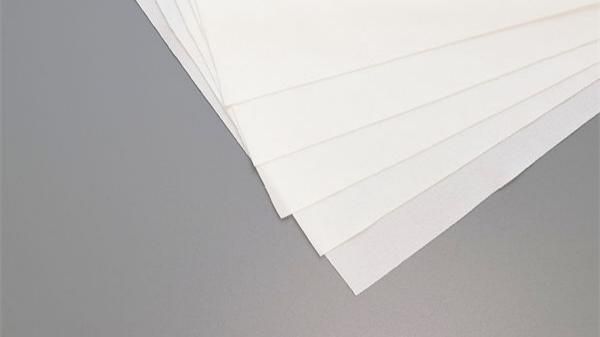
Cleaning and Maintaining Cleanroom Wipes: How to Extend Life and Keep Performance Stable
Many people think that using a wipe once and throwing it away is wasteful, so they wash and reuse them. But cleanroom wipes are not ordinary rags—their performance degrades progressively with each wash. Below we use measured data to explain when washing is allowed, how to do it, and after how many washes you must stop. 1. When is washing allowed, and when is it not? Use scenario Washable? Reason Cleanroom (Class 1000 and above) ❌ No Washing cannot restore original particle shedding level; cross‑contamination risk Laboratory / optical lens wiping ❌ No Residual ions and NVR are irreversible and