
Do Cleanroom Wipers Have a Shelf Life? Storage Conditions and Real Degradation Data
Cleanroom wiper shelf life tested: unopened vacuum bag vs. opened bag, temperature and humidity effects on wipers, and particle shedding increase over time. Opened wiper maximum storage for 6 weeks. Data included. Do cleanroom wiper shelf life claims actually matter? We tested one batch of laser‑sealed microfiber wipers (factory particle shedding ≤180 particles/m² for ≥0.5μm) under three real‑world storage scenarios. The results show that improper storage can double particle shedding within six months. Storage conditions for wipers tested We defined three typical storage conditions for wipers: Storage method Temperature Relative humidity Packaging Duration A (Ideal) 20±2°C 45±5% Unopened original vacuum bag 12 months
How Cleanroom Wipes Affect Yield in Semiconductor Wafer Fabrication
In a modern semiconductor fab, a single nanoparticle can ruin an entire die. Therefore, cleanroom wipes play a much more critical role than most people realize. Indeed, they are used to clean equipment chambers, wafer carriers, reticle pods, and workbenches. As a result, the choice of wipes directly influences defect density and overall yield. From Cleaning to Prevention: The Real Role of Wipes To begin with, cleanroom wipes are not just cleaning tools – they are process consumables. If you use wipes with high particle generation, you are essentially introducing a mobile contamination source into your cleanroom. Consequently, these particles
How to Choose Cleanroom Wipes: 4 Key Parameters You Must Know
Struggling to select the right cleanroom wipes? Learn the 4 most important parameters—LPC, absorption, ionic content, and abrasion resistance—to improve yield and avoid contamination For semiconductor fabs, display manufacturers, and biopharmaceutical companies, cleanroom wipes are not ordinary cleaning cloths. In fact, they directly impact product yield and contamination control. Therefore, choosing the right wipe requires more than just a low price. Specifically, you should evaluate the following four technical parameters before making a decision. 1. LPC (Liquid Particle Count) – The Cleanliness Standard First of all, LPC measures how many particles a wipe releases during use. For ISO Class 4
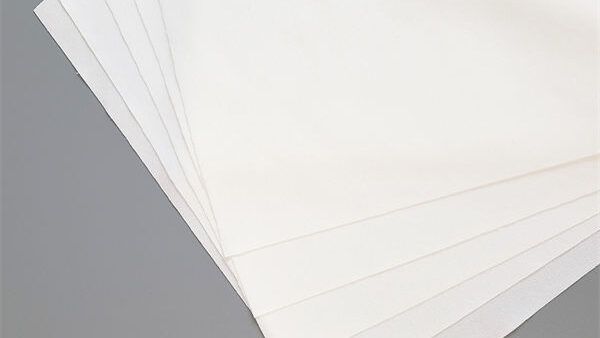
Cost vs Performance: Microfiber (75/25) vs Polyester (100%)
Many cleanrooms keep two wipe grades: one for critical surfaces, one for everything else. The cost difference can be large. But overspecifying for noncritical areas wastes money. Under‑specifying for critical areas causes defects. We built a decision matrix based on real fab data. Product pair comparison – four models Property Microfiber A Microfiber B Polyester C Polyester D Part number BN.11050107 BN.11040301 BN.11020203 BN.11020504 Grammage 180 g/m² 110 g/m² 120 g/m² 120 g/m² Edge ultrasonic laser cold‑cut cold‑cut Material 75/25 75/25 100% poly 100% poly Pack size 400 400 600 100 Cost per sheet $0.038 $0.045 $0.011 $0.0095 Particles (±0.5
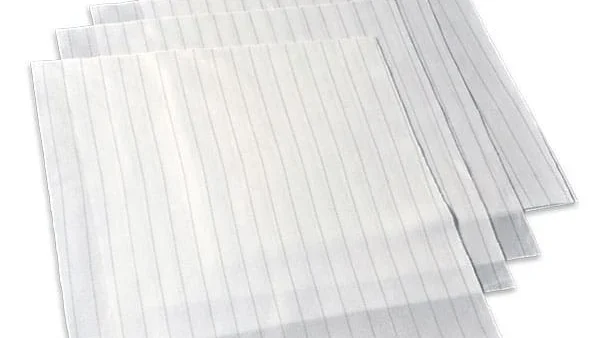
Sub-micron Wipes for Photomask and Wafer Cleaning
Photomasks and wafers are the most contamination‑sensitive surfaces in semiconductor fabrication. A single particle of 0.5 µm on a photomask can print a repeating defect across thousands of die. Standard wipes (even 180 g/m² ultrasonic) are not certified for sub‑micron cleanliness. Two sub‑micron series from BN Series Part numbers Grammage Edge Pack sizes Particles (≥0.5 µm) NVR (µg/cm²) 3009 BN.11040301/02/03 110 g/m² laser 100, 100, 400 ≤3 <5 3008 BN.11020626/27, BN.23020605 110 g/m² laser 100, 100, 400 ≤4 <6 Detailed model breakdown BN.11040301 – 9×9, 100 sheets/bagUsed for photomask cleaning stations. The laser edge creates a 1.2‑1.5 mm sealed zone.
Cleanroom Wipes for LCD Panel Manufacturing
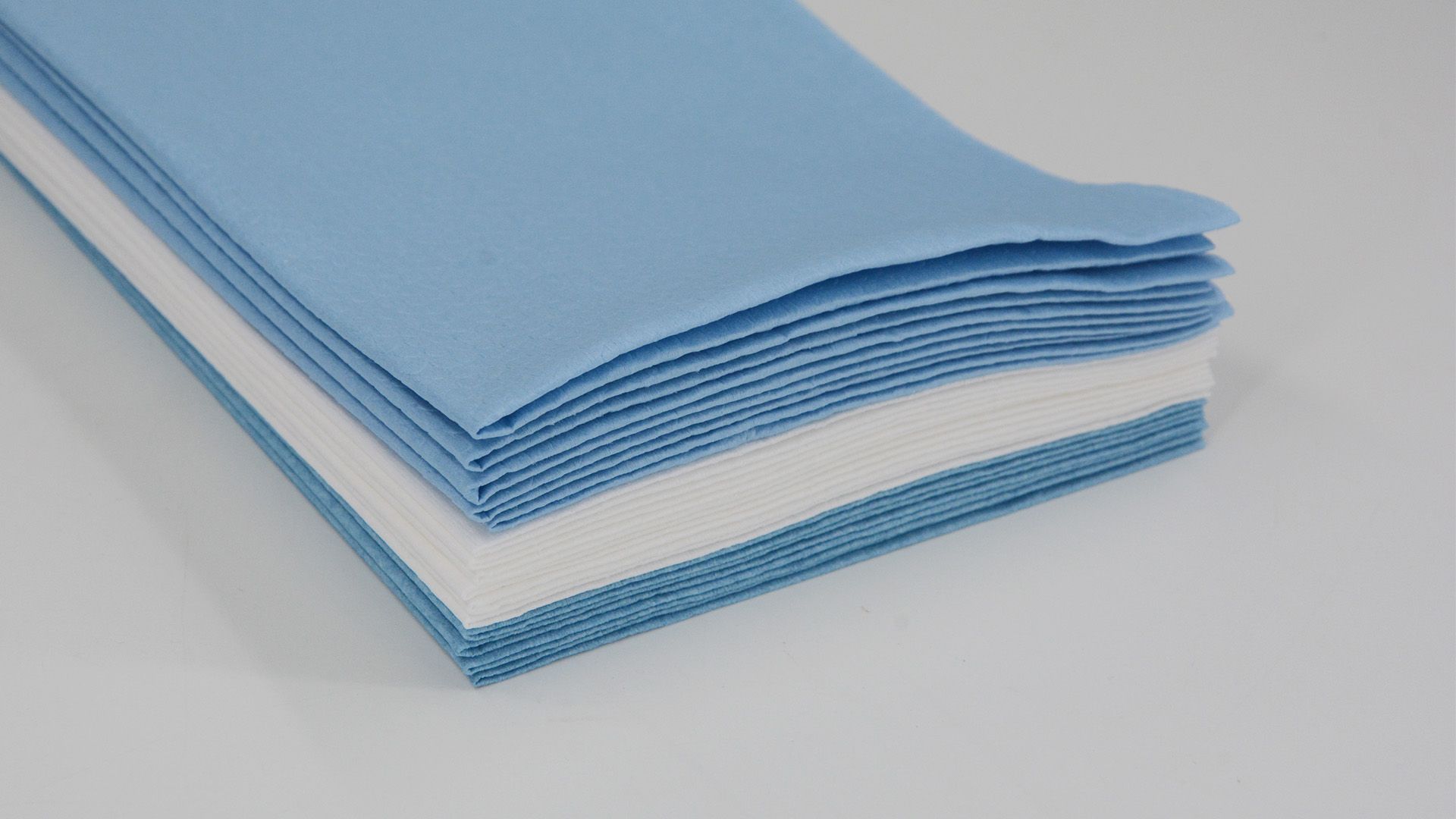
LCD panel production involves multiple cleaning steps: after cutting, before polarizer lamination, during cell assembly, and final module cleaning. Each step has different contamination types and surface sensitivity. Why panel cleaning fails with wrong wipes Three failure modes appear in LCD lines: Micro‑scratches on the polarizer or glass caused by hard fibers (100% polyester without nylon). Streaks from uneven drying, often from wipes with low absorption or poor edge sealing. Particle re‑deposition when wipes release fibers after the first few strokes. We tested twelve wipes on a Gen 6 LCD line. The four BN models below passed all criteria. Recommended BN series products
Cleanroom Paper – Why Standard Paper Fails GMP Audits
Standard copy paper emits up to 55 million particles per sheet. Cleanroom paper keeps it below 500,000. Full comparison table, test methods, and audit tips. Product Parameters – Cleanroom Paper Grades Parameter Office Copy Paper (80 gsm) ISO 6 Cleanroom Paper ISO 5 Cleanroom Paper (antistatic) Particle emission (≥0.5µm per A4 sheet) 45 – 65 million 0.8 – 1.2 million 0.3 – 0.5 million Particle emission (≥5µm per sheet) 2.1 million 18,000 6,000 Surface resistivity (antistatic option) >10¹² Ω/sq (not controlled) 10¹⁰ – 10¹¹ Ω/sq 10⁹ – 10¹⁰ Ω/sq Edge dust after tearing (visual, 10x magnification) High – loose fibers
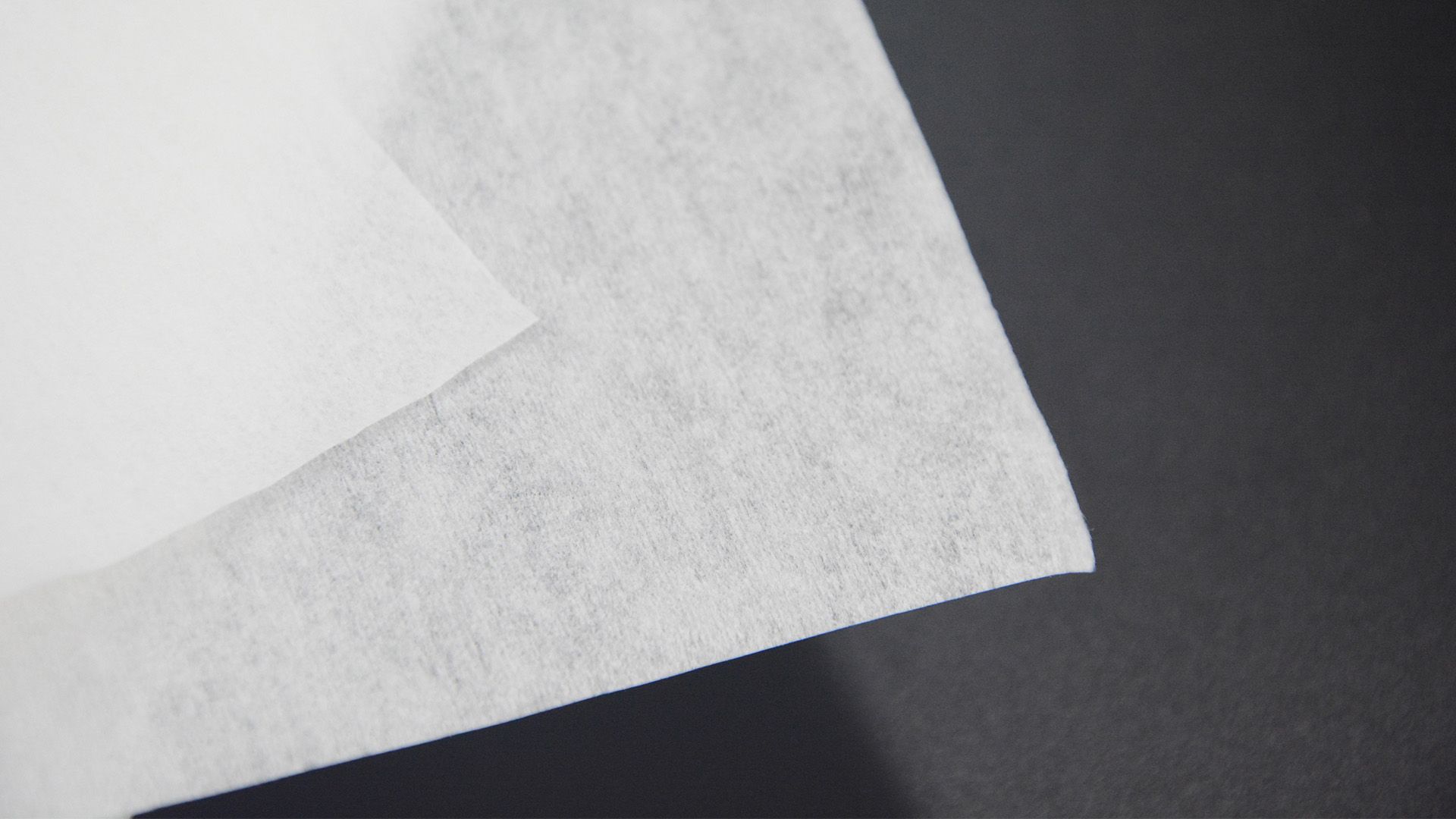
What’s the Real Difference Between Polyester and Microfiber Cleanroom Wipes?
We compared polyester and microfiber wipes head-to-head for particle emission, absorbency, chemical resistance, and cost per wipe. Full lab data and industry recommendations inside. Product Parameters – Direct Comparison Parameter Polyester (Continuous Filament) Microfiber (70/30 Poly/Nylon Split) Fiber construction 100% polyester, nonwoven or knit Split fiber, typically 0.2–0.4 denier GSM range 80 – 120 gsm (light to medium) 110 – 240 gsm (medium to heavy) Absorbency capacity (ml/m²) 280 – 350 450 – 600 Absorption rate (ml/sec/100cm²) 0.42 – 0.50 0.28 – 0.35 Particle emission (≥0.5µm, IEST-RP-CC004.3) 4 – 8 million/m² 1.0 – 2.5 million/m² NVR (non-volatile residue, mg/wipe) <0.10
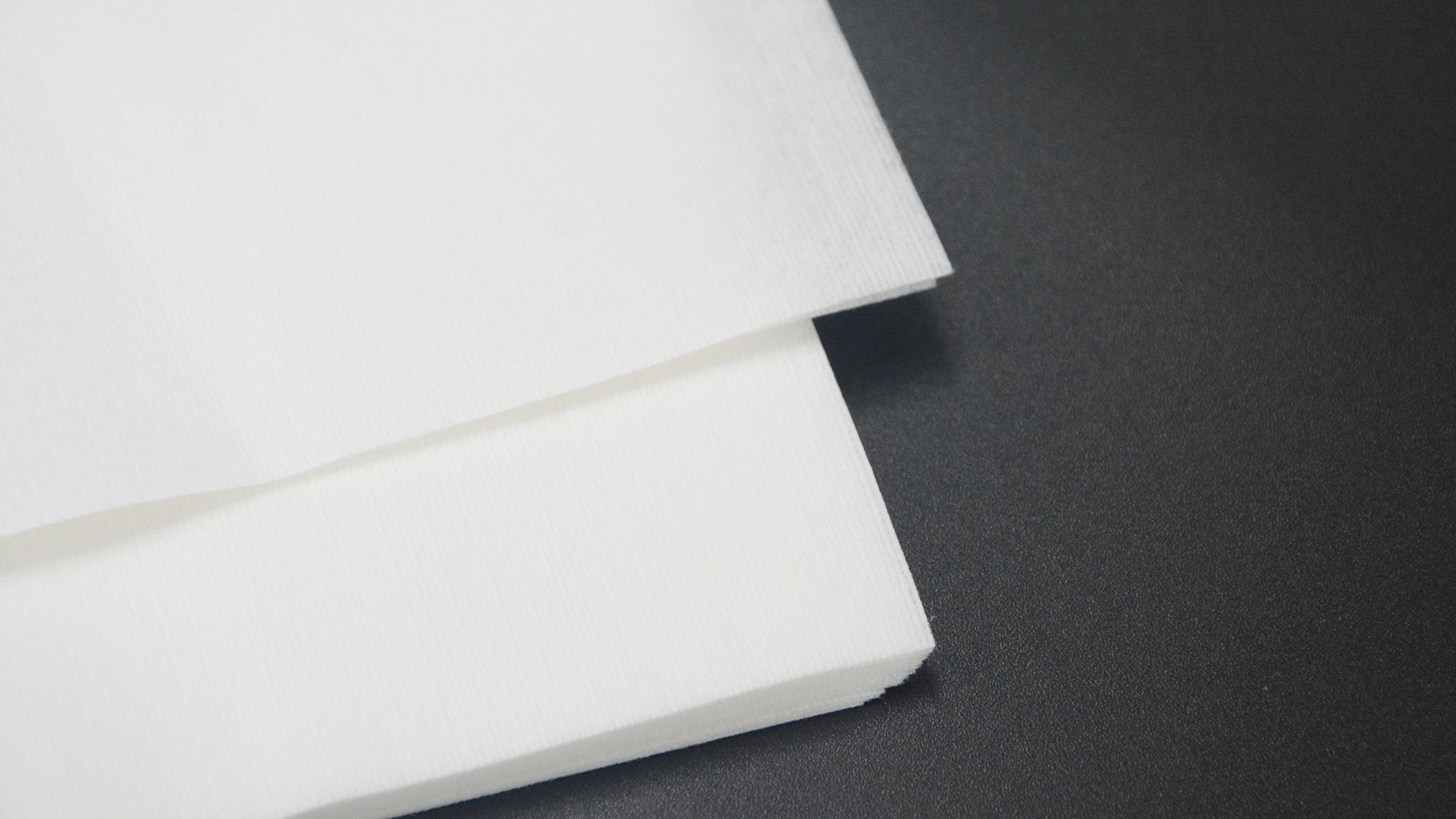
Cleaning Validation for Implantable Medical Devices: Practical Guide Using Wipes and HPLC Residue Detection
Residues on implantable devices (e.g., pacemaker housing inner walls) must be controlled to microgram levels. This article presents a validation workflow based on ISO 19227: laser‑sealed wipes with 70% IPA followed by HPLC residue detection. Data show that after three wipes, total organic carbon residue falls below 0.5 μg/cm² and bioburden pass rate reaches 100%. Includes sampling methods, detection limits, and acceptance criteria. Wiping steps: Pre‑clean: Blow the inner surface with nitrogen for 10 seconds to remove loose particles. First wipe: Dip a wipe square into 70% IPA and squeeze out excess (wet weight ≈2.5× dry weight). Use tweezers to wipe all inner