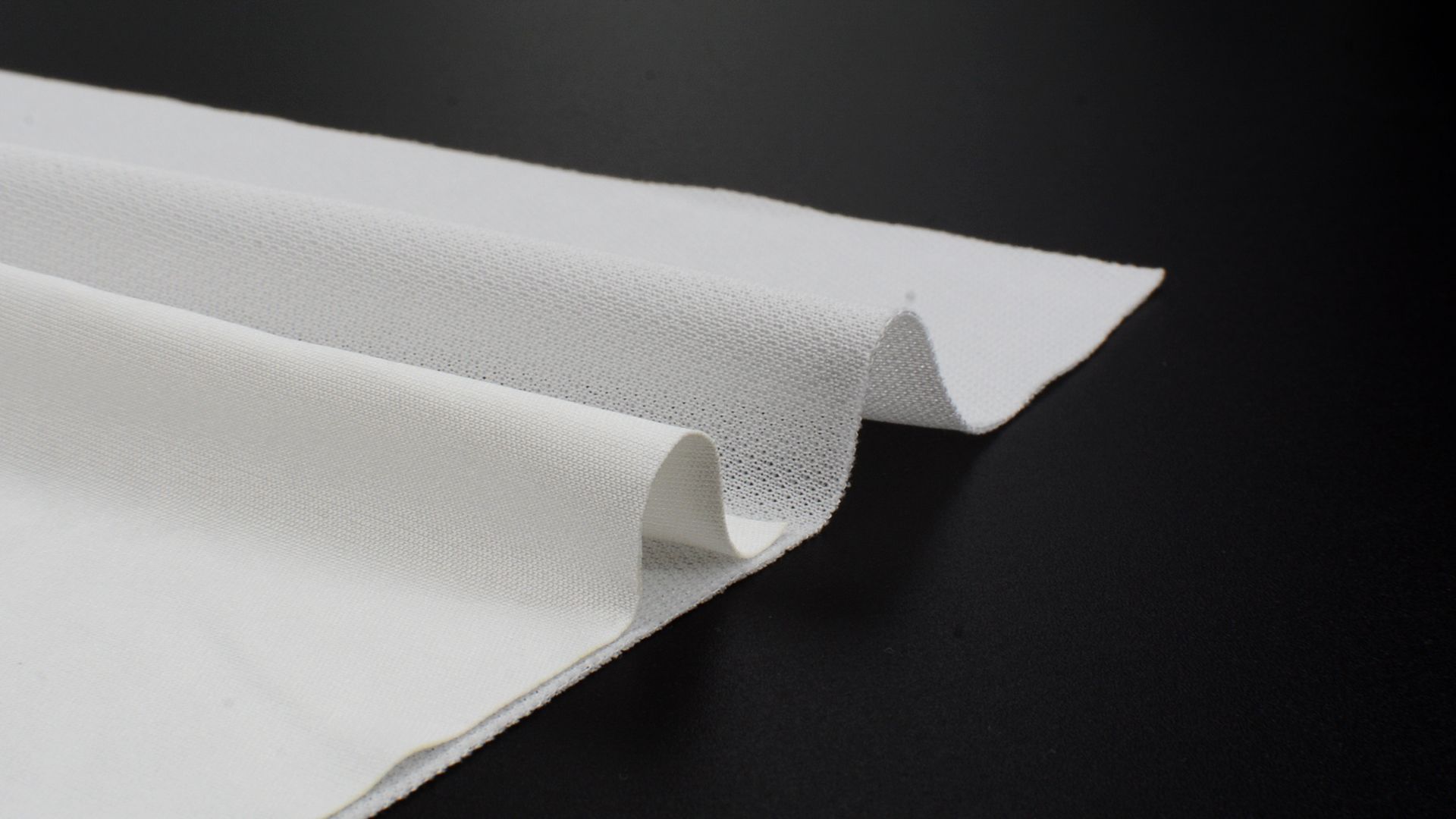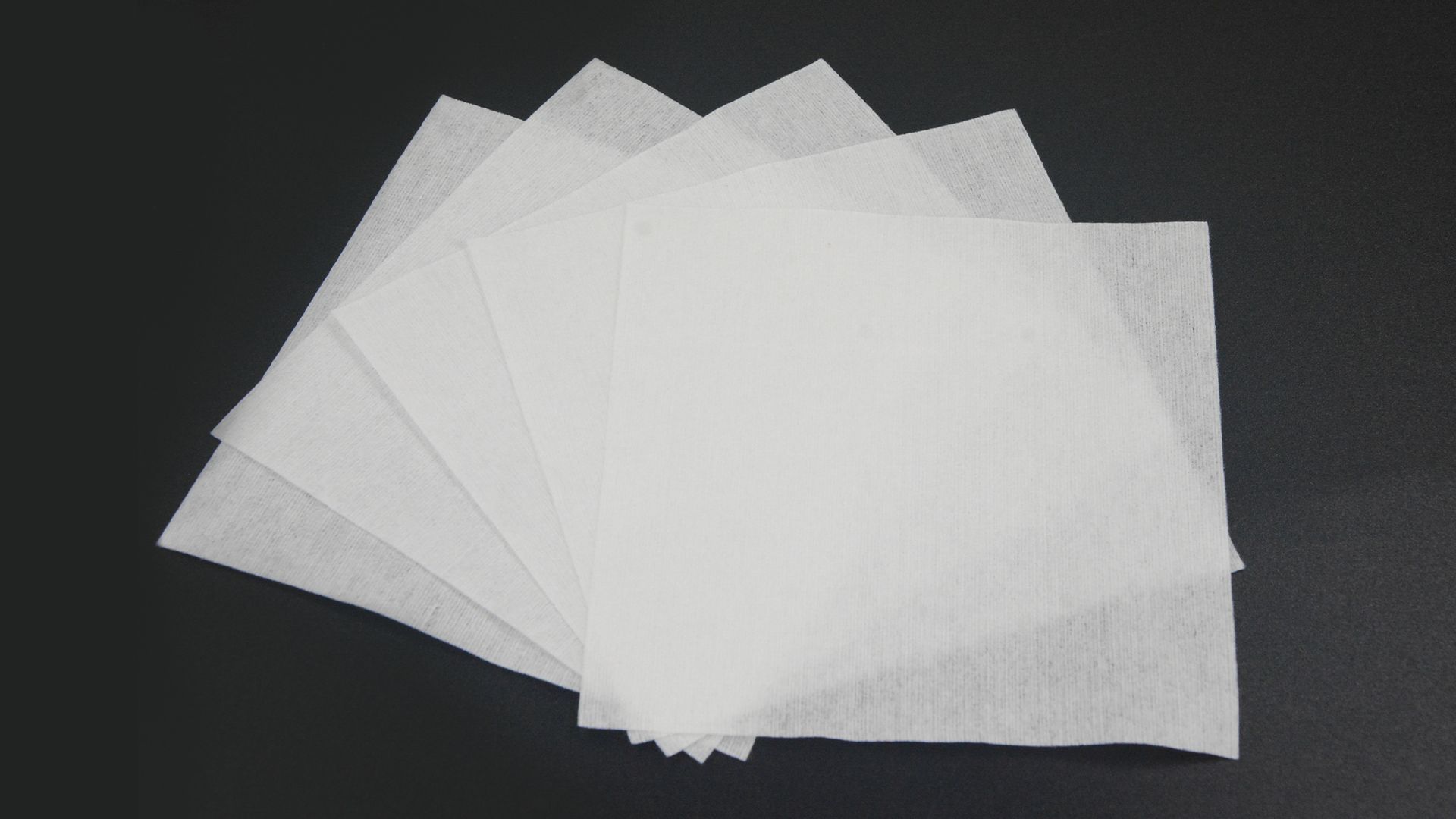
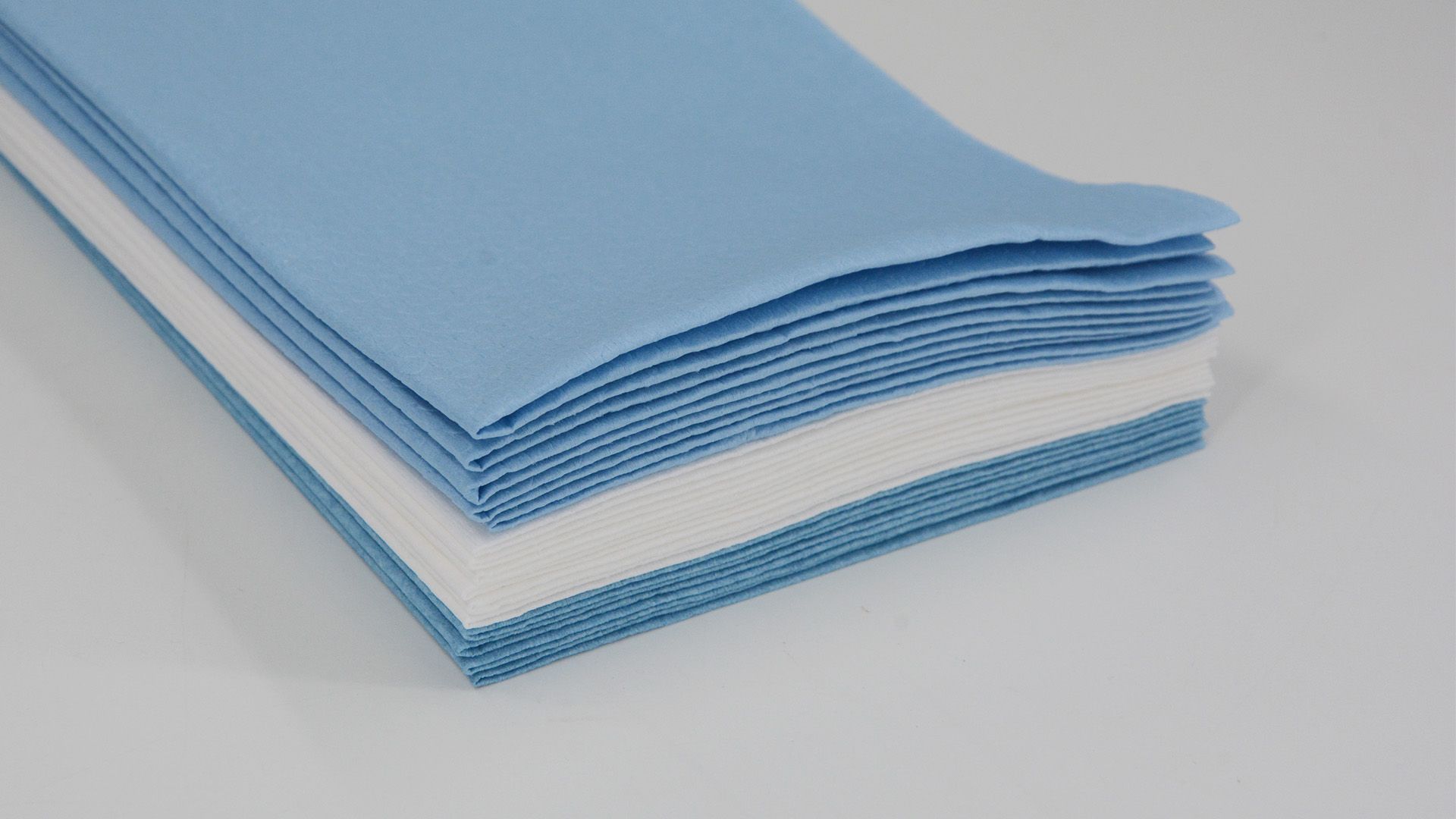
Standard copy paper emits up to 55 million particles per sheet. Cleanroom paper keeps it below 500,000. Full comparison table, test methods, and audit tips.
Product Parameters – Cleanroom Paper Grades
| Parameter | Office Copy Paper (80 gsm) | ISO 6 Cleanroom Paper | ISO 5 Cleanroom Paper (antistatic) |
|---|---|---|---|
| Particle emission (≥0.5µm per A4 sheet) | 45 – 65 million | 0.8 – 1.2 million | 0.3 – 0.5 million |
| Particle emission (≥5µm per sheet) | 2.1 million | 18,000 | 6,000 |
| Surface resistivity (antistatic option) | >10¹² Ω/sq (not controlled) | 10¹⁰ – 10¹¹ Ω/sq | 10⁹ – 10¹⁰ Ω/sq |
| Edge dust after tearing (visual, 10x magnification) | High – loose fibers visible | Low – occasional fiber | None to very low |
| Tensile strength MD (kN/m) | 5.2 | 4.1 | 3.8 |
| Perforation options | No | Microperf (low dust) | Laser-cut perf |
| Typical applications | Office printing | ISO 7–8 cleanrooms | ISO 5–6 cleanrooms, electronics |
Industry & Applications
Pharmaceutical (EU GMP Annex 1): Batch records in Grade B filling rooms require paper that passes particle emission tests. Regular paper has caused 483 observations.
Aerospace assembly: Work orders and inspection logs used inside laminar flow benches during composite layup.
Biotech labs: Label printing for cryovials and sample containers – regular paper fibers can contaminate PCR results.
Electronics cleanrooms: Antistatic cleanroom paper prevents electrostatic damage to sensitive boards during documentation.
Test Data & Methods
We followed IEST-RP-CC003.4 for particle emission. A single sheet of standard office paper (80 gsm, multipurpose) was agitated in a chamber. Airborne particles ≥0.5µm jumped from baseline 1,000/m³ to 54.2 million/m³ within 30 seconds. The same test with 70 gsm cleanroom paper increased to only 420,000/m³ – a 99.2% reduction.
NVR (Non-Volatile Residue) Testing
We also measured extractable residues (IEST-RP-CC005.4). Office paper leached 0.8 mg of residue per sheet when soaked in IPA. Cleanroom paper leached less than 0.05 mg. That invisible residue can cause adhesion failures in bonding or coating.
Audit Tip
If you are preparing for an FDA or EU audit, place a piece of standard paper next to a laminar flow hood. Ask your quality manager to wipe the hood surface after handling regular paper for 2 minutes. Then test for particles. That usually convinces management to switch.
Recommendation by Cleanroom Class
| ISO Class | Recommended Paper Type | Edge Treatment | Replacement Interval |
|---|---|---|---|
| 8 | Standard cleanroom paper (60 gsm) | Microperf | 12 months |
| 7 | 70 gsm cleanroom paper | Ultrasonic cut | 6–9 months |
| 6 | 70–80 gsm antistatic | Laser cut | 6 months |
| 5 | 80 gsm low-particle, heat-sealed | Laser cut + sealed | 3–4 months (opened) |