Struggling to select the right cleanroom wipes? Learn the 4 most important parameters—LPC, absorption, ionic content, and abrasion resistance—to improve yield and avoid contamination
For semiconductor fabs, display manufacturers, and biopharmaceutical companies, cleanroom wipes are not ordinary cleaning cloths. In fact, they directly impact product yield and contamination control. Therefore, choosing the right wipe requires more than just a low price.
Specifically, you should evaluate the following four technical parameters before making a decision.
1. LPC (Liquid Particle Count) – The Cleanliness Standard
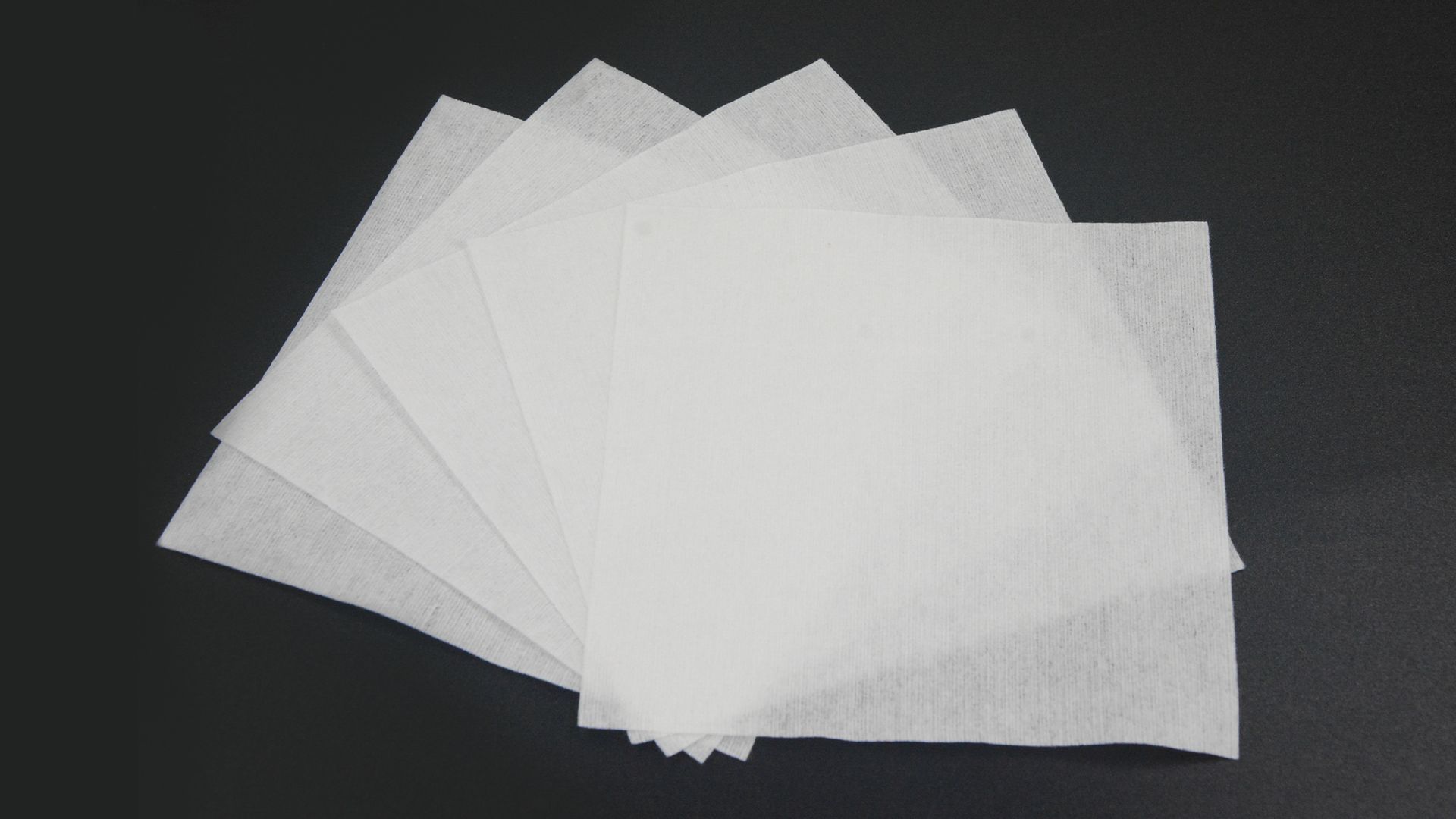
First of all, LPC measures how many particles a wipe releases during use. For ISO Class 4 or higher cleanrooms, you must use laser‑sealed or ultrasonically sealed wipes. Consequently, always request a third‑party test report that shows detailed LPC data. Otherwise, you risk introducing mobile contaminants into your critical process zones.
2. Absorption Rate and Capacity
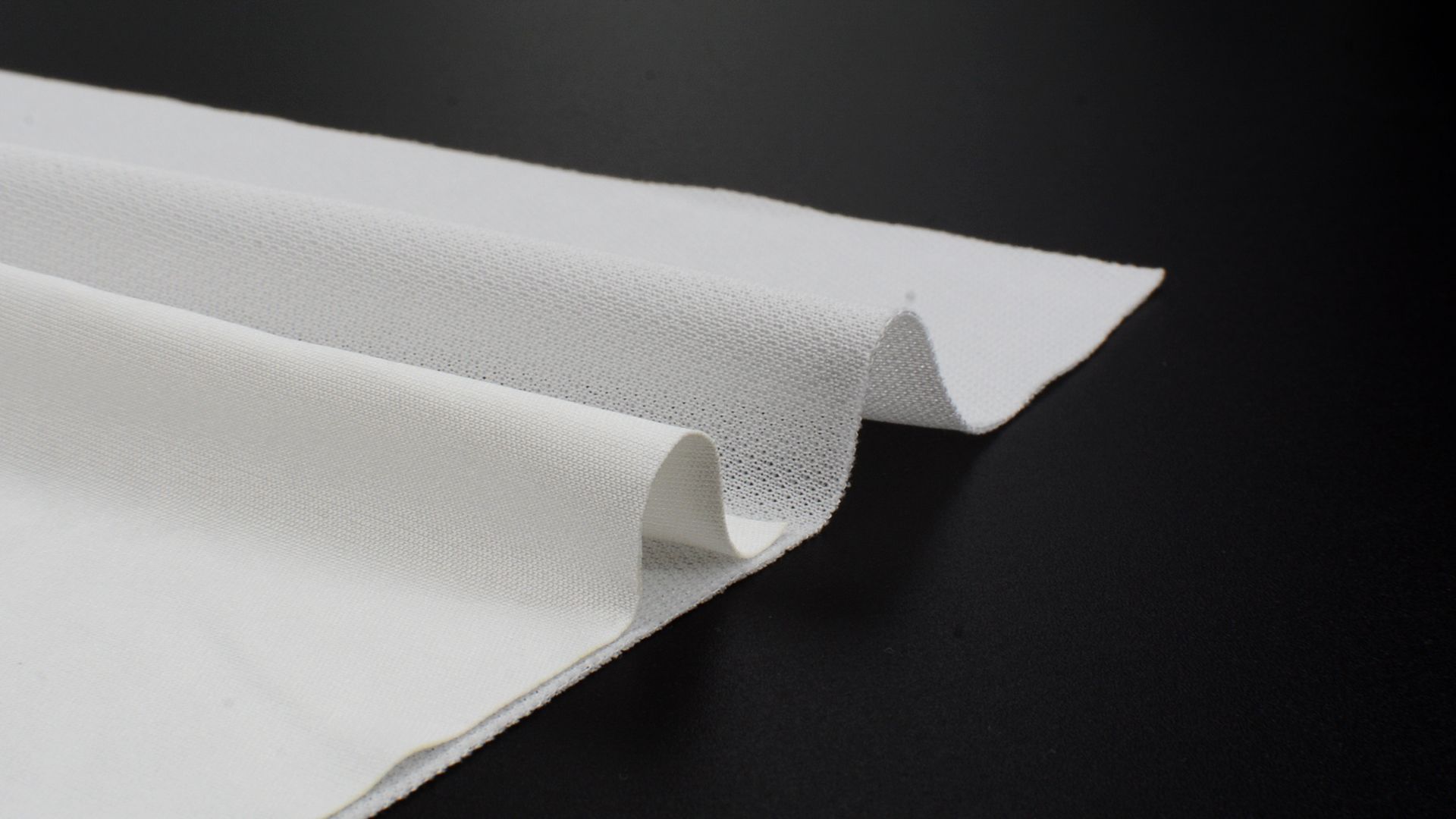
Secondly, a good cleanroom wipe must not only clean effectively but also absorb liquids quickly. Absorption rate affects wiping efficiency, while capacity determines how much solvent or chemical a single wipe can hold. For example, in photoresist or solvent cleaning applications, a knitted wipe with high absorption capacity is preferred. As a result, you can avoid repeated dipping and reduce the risk of secondary contamination.
3. Ionic Content and NVR (Non‑Volatile Residue)
Furthermore, for semiconductor front‑end processes and optical lens assembly, even trace amounts of metal ions or chemical residues can cause device failures. Therefore, you should select “chemically cleaned” wipes with extremely low ionic content. Typically, NVR residue should be below 0.1 mg/g. Additionally, ensure the supplier provides an ion chromatography report that matches your process requirements.
4. Abrasion Resistance and Lint Shedding
Finally, low‑quality wipes tend to shed fibers or fuzz when wiping rough surfaces. To prevent this problem, we recommend using continuous‑filament knitted wipes instead of staple‑fiber non‑wovens. In particular, for LCD glass substrates or photomask cleaning, high abrasion resistance is essential to achieve scratch‑free and residue‑free results.
To sum up, first check the cleanroom class, then evaluate absorption performance, next verify chemical residue data, and finally confirm abrasion resistance. If you are still unsure which product fits your process, please contact us for free samples and technical consultation.