Cleanroom wiper shelf life tested: unopened vacuum bag vs. opened bag, temperature and humidity effects on wipers, and particle shedding increase over time. Opened wiper maximum storage for 6 weeks. Data included.
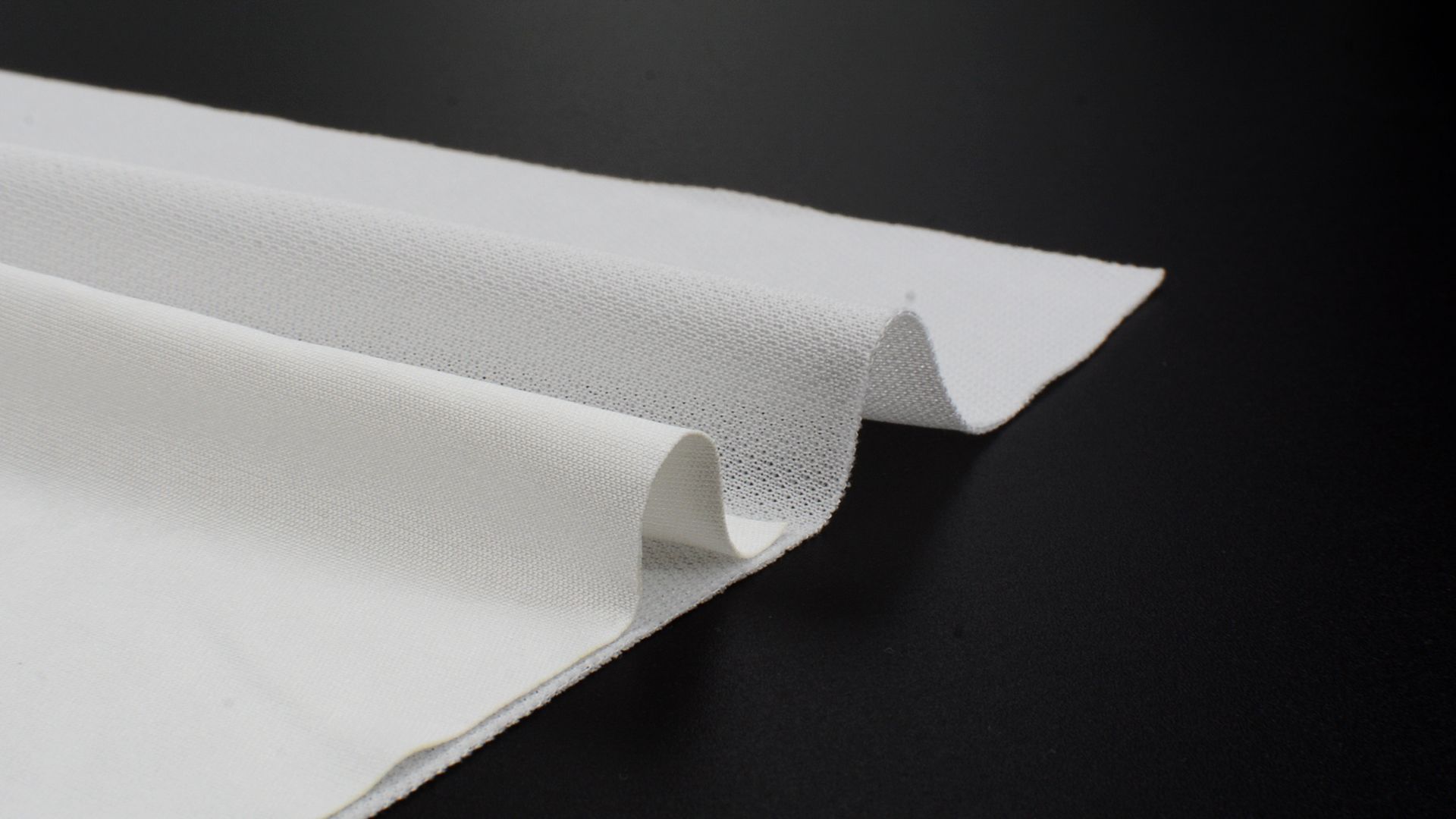
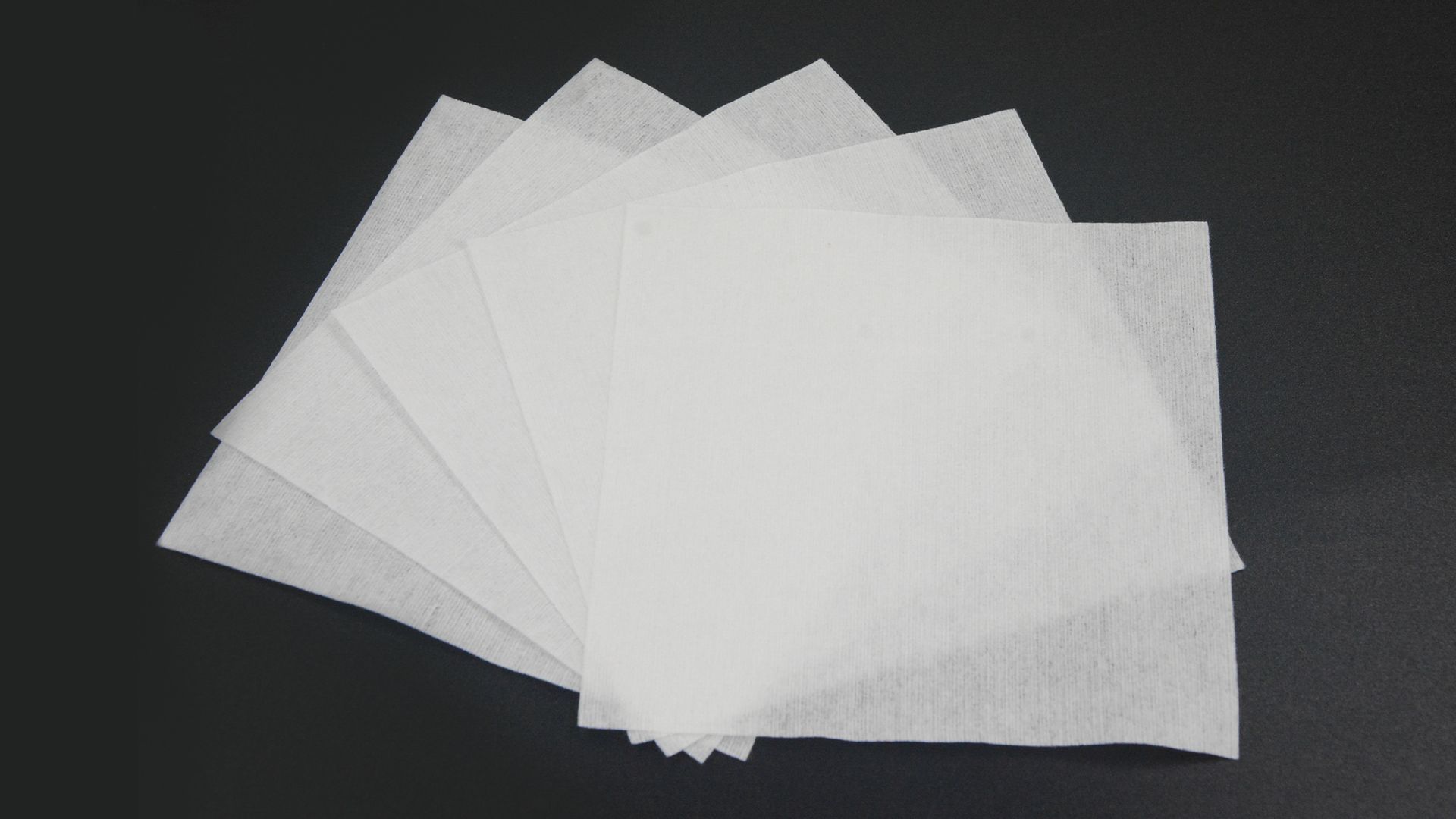
Do cleanroom wiper shelf life claims actually matter? We tested one batch of laser‑sealed microfiber wipers (factory particle shedding ≤180 particles/m² for ≥0.5μm) under three real‑world storage scenarios. The results show that improper storage can double particle shedding within six months.
Storage conditions for wipers tested
We defined three typical storage conditions for wipers:
| Storage method | Temperature | Relative humidity | Packaging | Duration |
|---|---|---|---|---|
| A (Ideal) | 20±2°C | 45±5% | Unopened original vacuum bag | 12 months |
| B (Typical warehouse) | 10–35°C (daily swings) | 30–70% | Unopened original vacuum bag | 12 months |
| C (Poor / opened) | 5–40°C (wide swings) | 40–80% | Opened bag, re‑tied | 6 months |
Unopened vacuum bag vs opened bag – a huge difference
The comparison of unopened vacuum bag vs opened bag is striking.
Unopened, stable environment: after 12 months, particle shedding increased from 180 to 210 particles/m² (+17%).
Opened and tied poorly: after only 3 months, shedding reached 310 particles/m² – already exceeding the 300 limit for ISO 5.
This tells us that once the vacuum seal is broken, degradation accelerates dramatically.
Temperature humidity effect on wipers
The temperature humidity effect on wipers is often underestimated.
Stable storage at 20°C / 45% RH kept particle rise under 20% over one year.
But a warehouse with daily swings from 10°C to 35°C caused a 61% increase (180 → 290 particles/m²) in the same period.
Humidity above 60% promotes particle adhesion to fiber surfaces. Temperature swings cause micro‑expansion and contraction of fibers, “squeezing” internal particles out.
Particle shedding increase over time – measured data
Our particle shedding increase over time data (≥0.5μm particles/m²):
| Storage | Out‑of‑box | 3 months | 6 months | 12 months |
|---|---|---|---|---|
| A (Ideal, unopened) | 180 | 192 (+7%) | 198 (+10%) | 210 (+17%) |
| B (Warehouse, unopened) | 180 | 208 (+16%) | 235 (+31%) | 290 (+61%) |
| C (Opened, tied) | 180 | 310 (+72%) | — (already failed) | — |
Conclusion: Even unopened wipers degrade if stored in unstable conditions. Opened wipers degrade fast.
Opened wiper maximum storage 6 weeks
Based on the data, we set an opened wiper maximum storage 6 weeks rule.
If you open a vacuum bag and do not finish the wipers within six weeks, you should retest them before using in ISO 5 or cleaner environments. After six weeks, particle shedding often exceeds acceptable limits even if the bag is re‑tied.
Best practice for opened bags:
Squeeze out air and heat‑seal the bag (or use a tight zipper bag)
Store in a sealed cabinet at 15–25°C / 40–60% RH
Label with the opening date
Discard after 6 weeks
Sterile wiper expiry after opening
For sterile products, sterile wiper expiry after opening is much shorter.
Gamma‑irradiated sterile wipers must be used within 24 hours of opening. After that, sterility cannot be guaranteed. If not used within 24 hours, resterilize (if your process allows) or discard.