
The anti-static mop is a critical tool for ground static control in cleanrooms and electronics manufacturing. This article analyzes technical parameters, selection methods, and maintenance standards for anti-static mops.
The Necessity of Ground Static Control
In electronics manufacturing, semiconductor packaging, SMT assembly, and precision instrument production, activities such as personnel walking, equipment movement, and tool dragging all lead to static charge accumulation on the floor. Ground static potential can reach several thousand volts, causing latent damage or hard breakdown failures to static-sensitive components through air discharge or direct contact. Electrostatic discharge damage is characterized by being hidden, cumulative, and irreversible – often only revealing itself after products have shipped or reached end users, resulting in significant quality risks and warranty costs.
A standalone anti-static floor or anti-static mat only provides a basic discharge path. Without compatible cleaning tools, surface particles, oils, and residual static charges cannot be effectively removed. Worse still, the cleaning process itself may introduce new static risks. Therefore, the anti-static mop, as an integrated tool for floor cleaning and static control, is an essential component of any electrostatic protection system.
Technical Principles of Anti-Static Mops
The core function of an anti-static mop is to safely discharge static electricity to ground while cleaning the floor, preventing triboelectric charging or charge accumulation caused by the mopping motion. This is achieved through three technical layers:
Conductivity of Mop Head Fabric
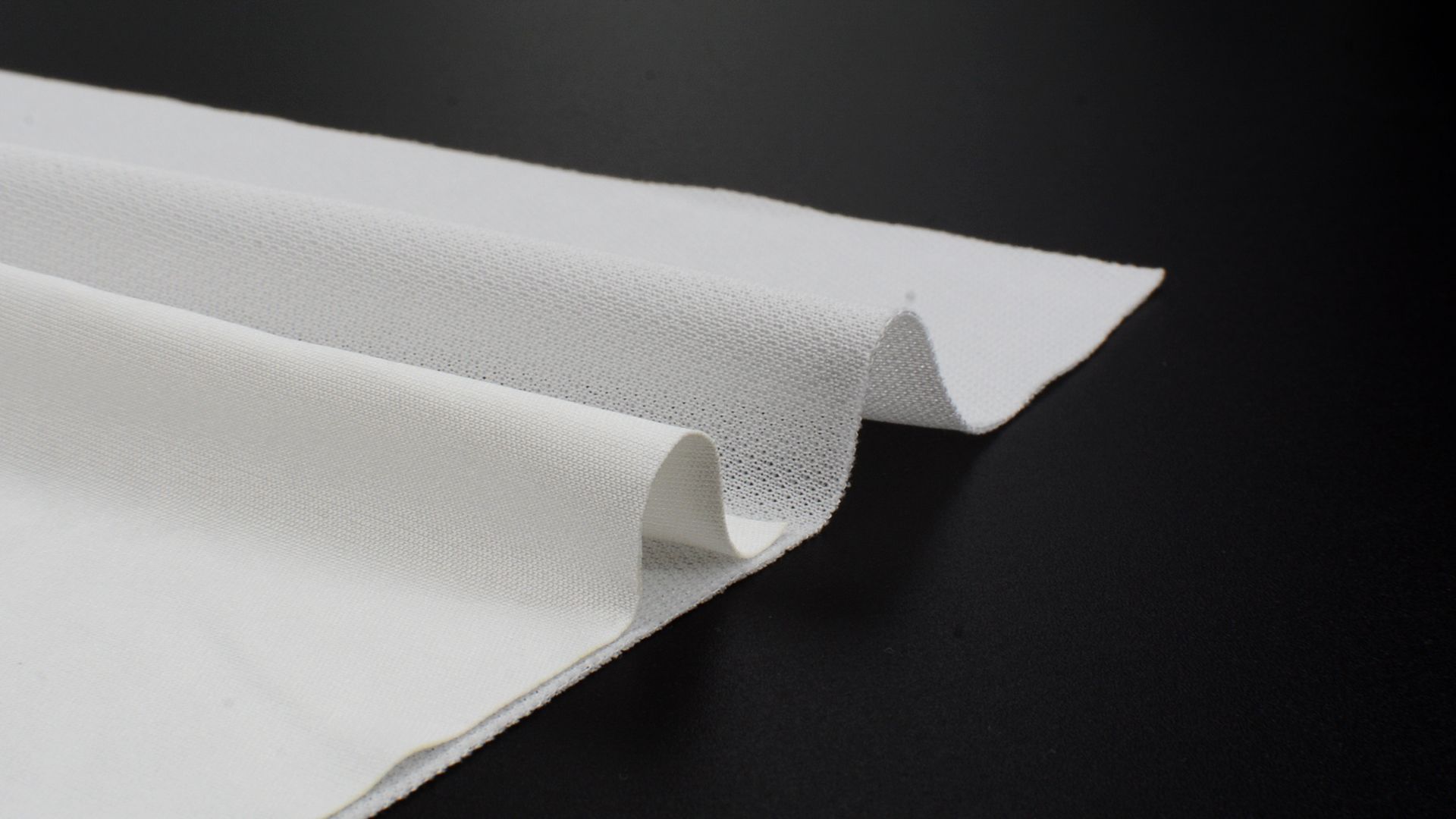
Ordinary cotton or standard synthetic fibers can generate thousands of volts of static electricity under dry conditions. Anti-static mop fabric uses ultra-fine polyester fiber blended with conductive yarns or woven conductive grid structures. Surface resistance is typically controlled between 10⁵ and 10⁸ Ω – allowing slow static dissipation (preventing rapid discharge sparks) while avoiding insulation that would cause charge buildup. Conductive grid spacing is generally no more than 1 cm, ensuring a continuous discharge path regardless of which part of the fabric contacts the floor.
Grounding Design of Handle and Connection Mechanism
Anti-static mop handles are made of conductive ABS, conductive PP, or stainless steel, with surface resistance also in the dissipative range. The handle end or the connection point between mop head and handle includes a grounding terminal or metal clip, which can be connected via a ground wire to the factory’s common grounding point or anti-static ground rod. During cleaning operations, static charge collected from the floor by the mop fabric passes through the fabric → handle → ground wire → earth, forming a complete discharge loop.
Low-Linting Construction
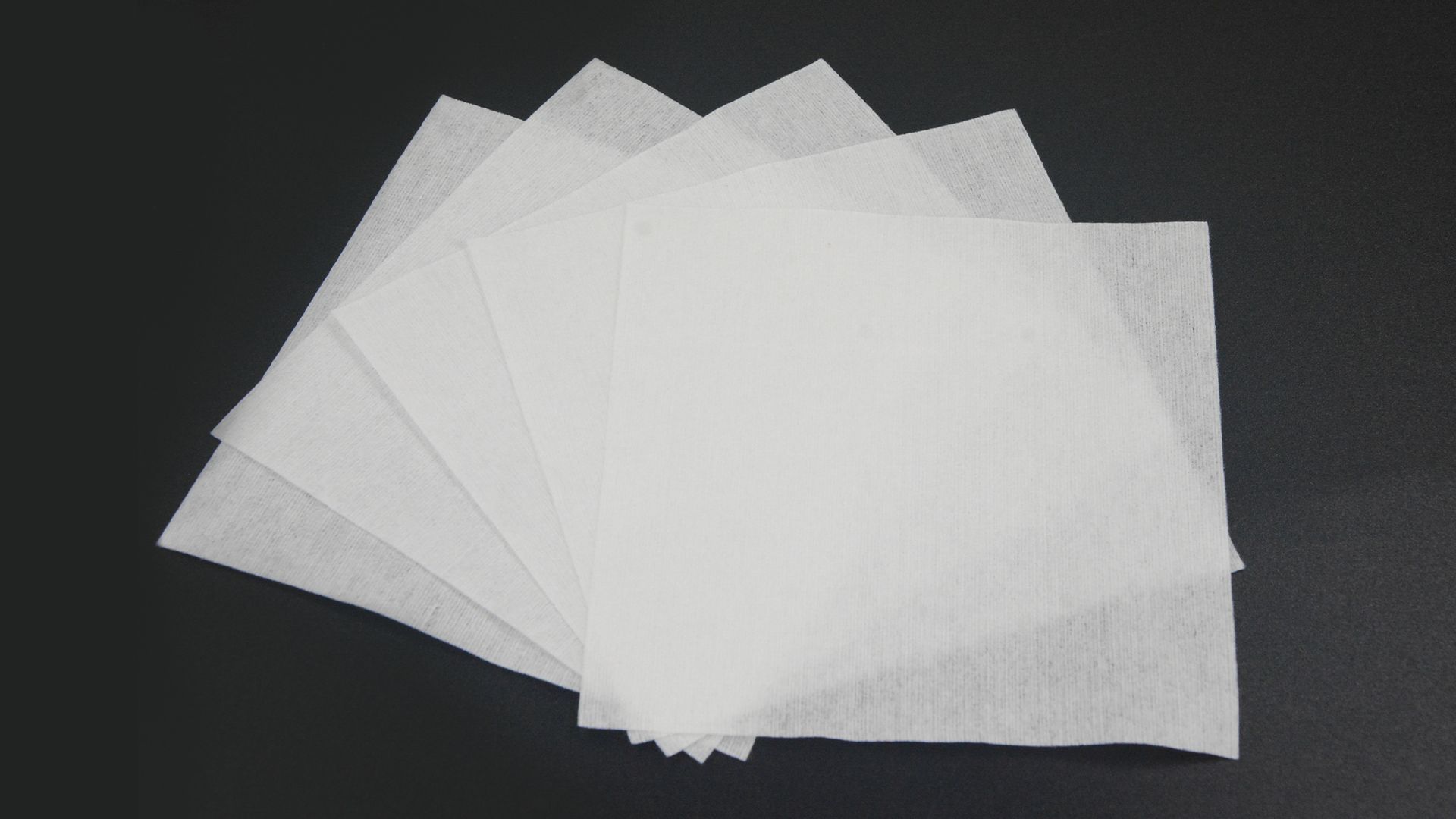
Cleanroom environments have strict limits on particle contamination. Anti-static mops feature ultrasonically sealed or laser-cut edges to prevent fiber shedding. The connection components between mop head and handle are designed with no sharp corners or exposed screws, minimizing particle generation from friction. Higher-grade products are supplied in vacuum-sealed individual packaging to ensure a contamination-free state before first use.
Key Technical Parameters and Selection Criteria
When selecting an anti-static mop, the following quantitative indicators should be considered:
| Parameter | Typical Range | Selection Guidance |
|---|---|---|
| Surface Resistance | 10⁵ – 10⁸ Ω | Use dissipative type (10⁶ – 10⁸ Ω) for static-sensitive areas; avoid conductive type (<10⁴ Ω) to prevent rapid discharge |
| Triboelectric Voltage | < 100 V (often <50 V) | Lower is better; request triboelectric charge test reports from suppliers |
| Particle Generation | FED-STD-209E or ISO 14644 | For ISO Class 5 and above, require particle count test data |
| Liquid Absorption | 3–6 times its own weight | Select compatible material based on cleaning agent (IPA, water, detergent) |
| Washable Cycles | ≥ 50 cycles (industrial laundering) | Reduces consumable replacement frequency; never use fabric softener |
Additionally, mop head size should be selected based on floor area, cleaning frequency, and personnel traffic density. Common sizes are 40 cm × 12 cm or 50 cm × 15 cm. Larger sizes suit open workshops, while smaller sizes are better for equipment-dense areas.
Usage and Maintenance Standards
Proper use of an anti-static mop directly affects static control effectiveness and mop service life.
Before use:
Inspect the mop fabric for oil stains or visible particles; replace or clean if necessary. Ensure the ground wire is securely connected and the resistance to ground is no greater than 1 Ω. Use a static meter to measure the fabric surface potential; it should be near zero.
During use:
Use a unidirectional push-pull motion rather than a back-and-forth scrubbing action – this reduces triboelectric charging and improves particle capture efficiency. Cleaning agents (e.g., deionized water, IPA) should be sprayed evenly onto the mop fabric rather than poured directly onto the floor, preventing liquid from penetrating the mop head and altering its resistance. Replace or wash the mop fabric after approximately 50 square meters of cleaning.
After use:
Clean the mop fabric promptly. In industrial laundering, water temperature should not exceed 60°C. Use a neutral detergent. Never use fabric softener – fabric softener forms an insulating film on fiber surfaces, destroying conductivity. Air dry or tumble dry on low heat; do not iron at high temperature. Test fabric surface resistance every 20–30 uses; discard and replace if it falls outside the specified range.
Anti-Static Mop vs. Ordinary Mop: Key Differences
| Feature | Ordinary Mop | Anti-Static Mop |
|---|---|---|
| Fabric material | Cotton, sponge, standard synthetic | Conductive microfiber + conductive grid |
| Surface resistance | > 10¹² Ω (insulative) | 10⁵ – 10⁸ Ω |
| Triboelectric voltage | 1000 V – 5000 V | < 100 V |
| Linting | High, sheds fibers | Low, ultrasonically sealed edges |
| Grounding design | None | Metal grounding terminal |
| Suitable environment | Offices, homes | Electronics factories, cleanrooms, pharmaceutical plants |
Using an ordinary mop in an ESD-sensitive area not only fails to eliminate static but actively generates new static charges, rendering anti-static flooring ineffective.
Industry Standards and Compliance Requirements
Anti-static mops should comply with or reference the following standards:
ANSI/ESD S20.20 – Requirements for grounding tools within electrostatic protection management systems
IEC 61340-5-1 – Test methods for electrostatic dissipative performance
SJ/T 10694 – Test methods for anti-static systems in electronics manufacturing (Chinese industry standard)
When purchasing, request third-party test reports from suppliers, including data on surface resistance, triboelectric voltage, and particle generation (particles ≥ 0.5 μm).