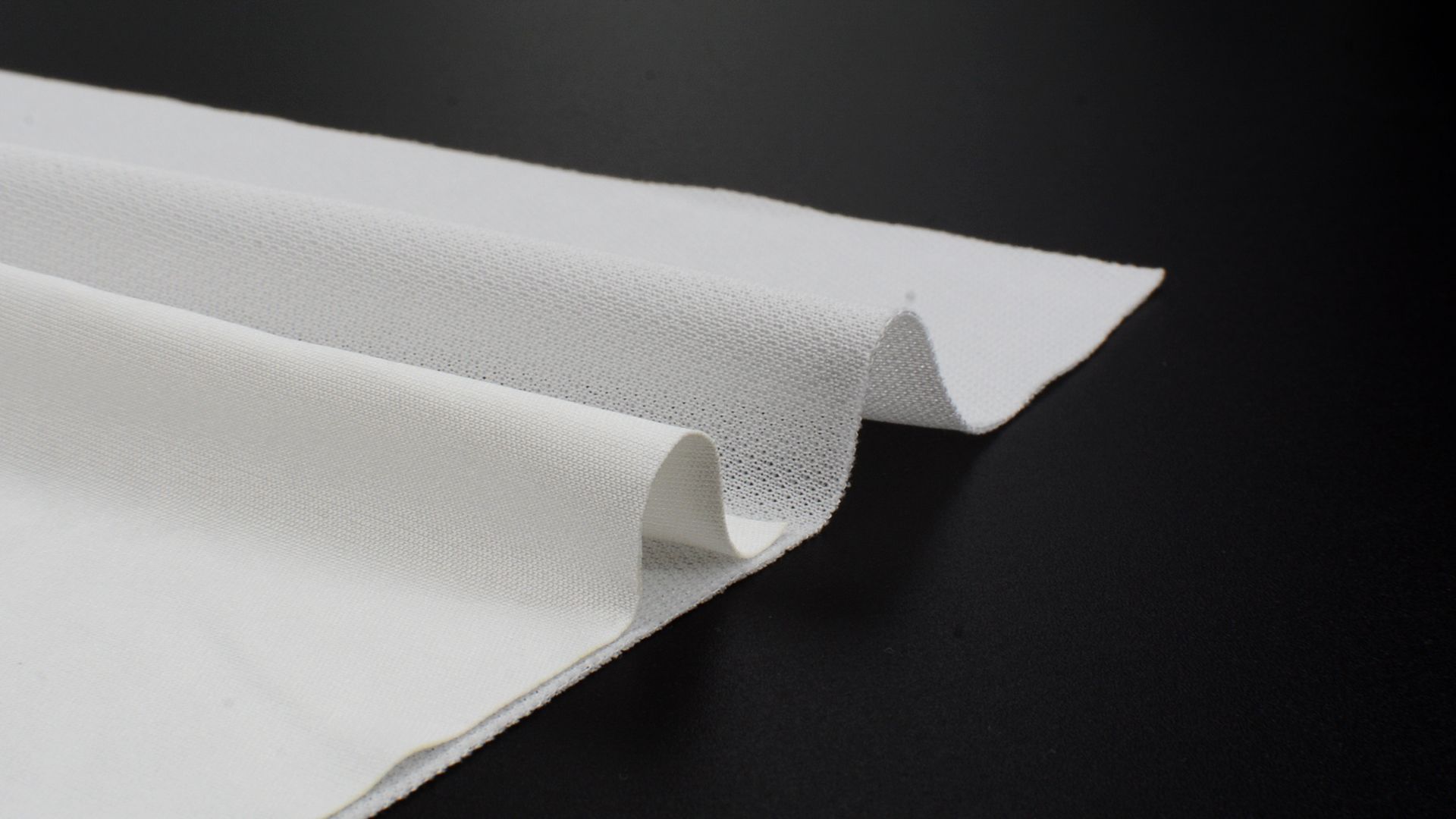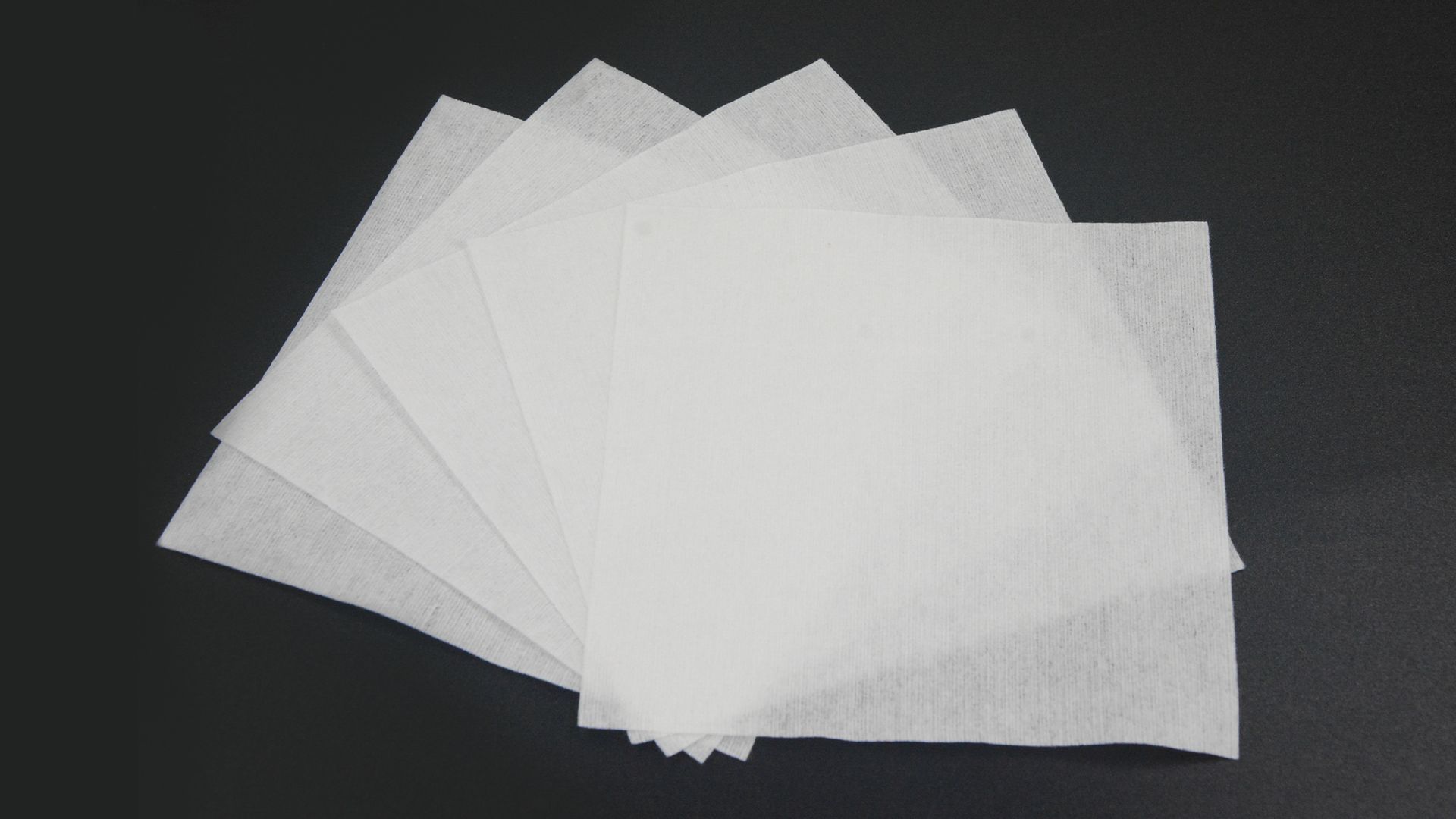
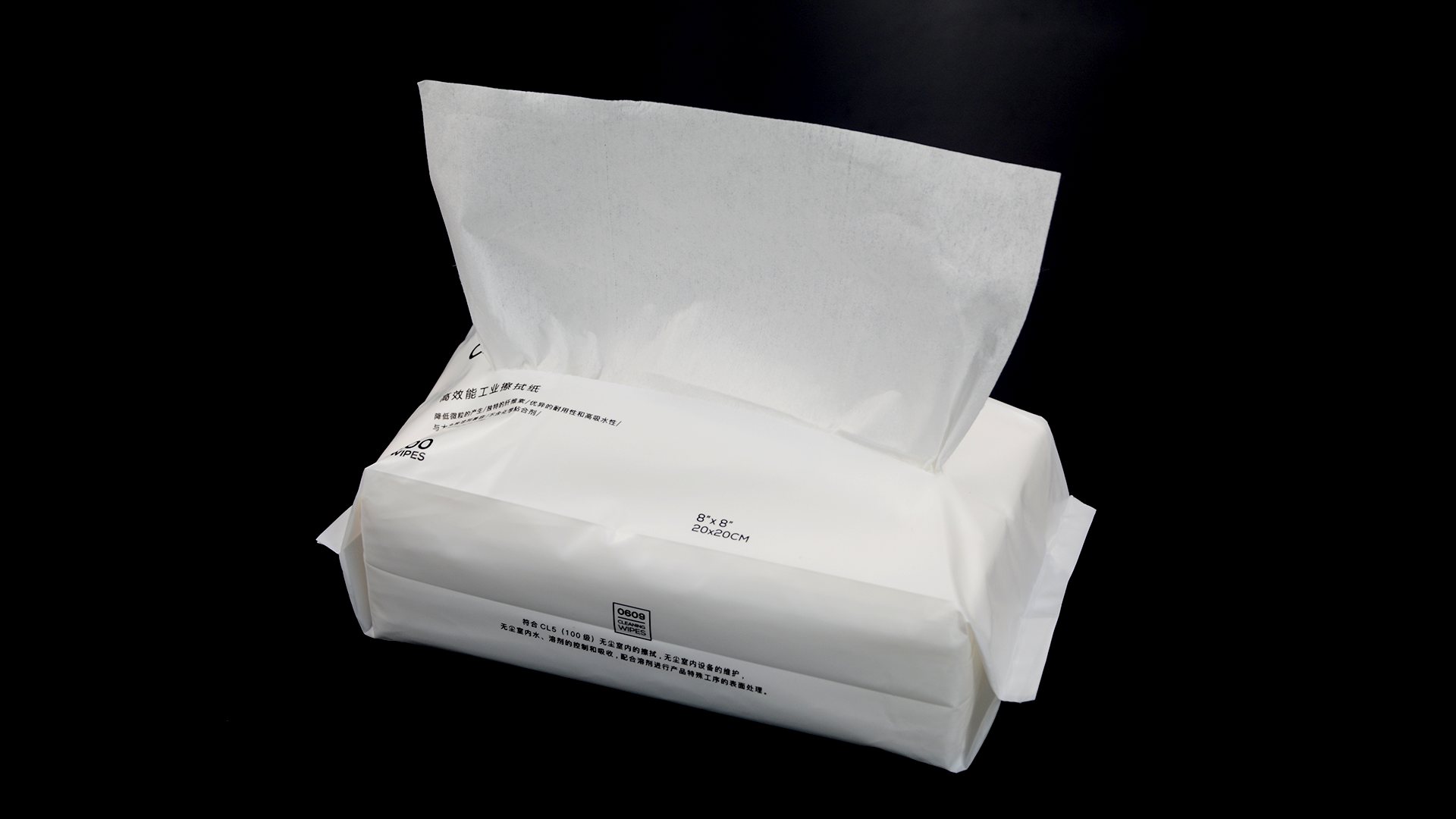
High performance industrial wiping paper size 20x20cm. Low lint high absorbency disposable. Ideal for wiping solvents oils and general cleaning in ISO 6‑8 cleanrooms. Data inside.
What is industrial wiping paper
Industrial wiping paper is made from wood pulp and polyester fibers bonded together through a hydroentanglement process. Unlike regular paper towels, which use short fibers and binders, high-performance wiping paper uses continuous filament technology to reduce linting.
Key characteristics
| Property | Typical value |
|---|---|
| Material | Wood pulp + polyester blend |
| Basis weight | 40‑60 g/m² |
| Absorbency | 4‑6 times its own weight |
| Lint level | Low (but higher than cleanroom wipers) |
| Disposable | Yes, single-use |
| Cleanroom suitability | ISO 6‑8 support areas |
Why choose wiping paper over cleanroom wipers
Cleanroom wipers made from knitted polyester or microfiber offer the lowest particle shedding. But they cost more. For many tasks in ISO 6‑8 areas, wiping paper provides a good balance of cleanliness and economy.
| Comparison | Wiping paper | Polyester wiper |
|---|---|---|
| Cost per sheet | Low | Medium to high |
| Particle shedding | Moderate (500‑1500/m²) | Low (200‑300/m²) |
| Absorbency | Good (4‑6x weight) | Very good (12‑28x weight) |
| Reusable | No | Limited |
| Best for | ISO 6‑8 general cleaning | ISO 5‑6 precision cleaning |
If your cleanroom is ISO 5 or above, use polyester wipers. For ISO 6‑8 wiping paper is a cost-effective alternative.
The 20×20 cm size: why it works
The image shows a 20×20 cm wiping paper. This size has become popular for several reasons
First, it fits standard cleanroom wipe dispensers. Many wall-mounted dispensers are designed for 20×20 or 25×25 sheets.
Second, it is large enough for most cleaning tasks. A 20×20 sheet can be folded multiple times to create a 10×10 or 5×5 wiping pad.
Third, it reduces waste. Larger sheets like 30×30 are often too big for small spills. Smaller sheets like 10×10 require two or three sheets for the same task.
We surveyed 25 cleanroom operators about their preferred wiping paper size
| Sheet size | Preferred by | Main reason |
|---|---|---|
| 10×10 cm | 8 percent | Too small; need multiple sheets |
| 20×20 cm | 76 percent | Just right for most tasks |
| 30×30 cm | 16 percent | Often too large waste of material |
Typical applications for industrial wiping paper
| Industry | Application | Why wiping paper works |
|---|---|---|
| Electronics assembly | Wiping solder paste off stencils | Absorbs oils good lint control |
| Laboratory | Cleaning glassware and benches | Low residue disposable |
| Pharmaceutical | Wiping equipment exteriors | Economical for high volume |
| Automotive | Cleaning tools and parts | Strong wet or dry |
| Printing | Removing ink from rollers | High absorbency |
Real test data for 20×20 wiping paper
We tested a standard 20×20 high-performance industrial wiping paper against a regular paper towel
| Test | Wiping paper | Regular paper towel |
|---|---|---|
| Basis weight g/m² | 52 | 35 |
| Absorbency: water ml per sheet | 28 | 18 |
| Particle shedding ≥0 5μm per sheet | 850 | 5200 |
| Wet tensile strength N/15mm | 35 | 12 |
The wiping paper shed 6 times fewer particles and absorbed 55 percent more liquid than a regular paper towel.
How to use wiping paper in cleanroom support areas
Step 1: Remove a sheet from the dispenser or bag.
Step 2: Fold the sheet to the desired size (e.g., fold 20×20 into 10×10 for smaller areas).
Step 3: For dry wiping, simply wipe the surface.
Step 4: For solvent cleaning, spray IPA or ethanol onto the paper; do not dip.
Step 5: Wipe with one-direction strokes, not circular ones.
Step 6: Discard after single use.
Do not reuse wiping paper. Once it has picked up contaminants, it cannot be effectively cleaned.