How It Works: Not All Tape Removes Dust
Standard adhesive tape has a clear drawback when used for dust removal: the sticky side faces inward, requiring manual folding. Professional dust removal tape is designed with the adhesive side facing outward, allowing it to be rolled directly over the surface to pick up particles.
The core mechanism is pressure‑sensitive adhesion:
When light pressure is applied, the adhesive layer contacts the surface of dust particles.
Because the adhesion between dust particles and the substrate is usually weak,
When the tape is lifted, the particles are preferentially pulled away by the tape.
But “sticking well” is only the first step. In cleanrooms and electronics manufacturing, the tape itself must not become a source of contamination. Particle shedding, ionic outgassing, and static buildup are all critical parameters that must be controlled. This is where cleanroom tape differs fundamentally from ordinary adhesive tape.
Core Types and Selection Guide
Professional dust removal tape can be broadly divided into the following categories based on application and performance requirements:
| Tape Type | Base Material | Key Features | Typical Application |
|---|---|---|---|
| Antistatic grid tape | Polyimide/Polyester film + conductive grid | Surface resistance 10⁴‑10⁶ Ω, safe peeling | Electronic component packaging, ESD area sealing, PCB cleaning |
| Cleanroom-grade tape | Polyester/Polyethylene film, ultra-clean manufacturing | Very low particle shedding, double-bagged | Equipment cleaning in cleanrooms, securing consumables |
| Anti-static transparent tape | Cellulose/Polypropylene, transparent | High clarity, low VOC, low peeling voltage | General carton sealing, fixing, labeling in EPA areas |
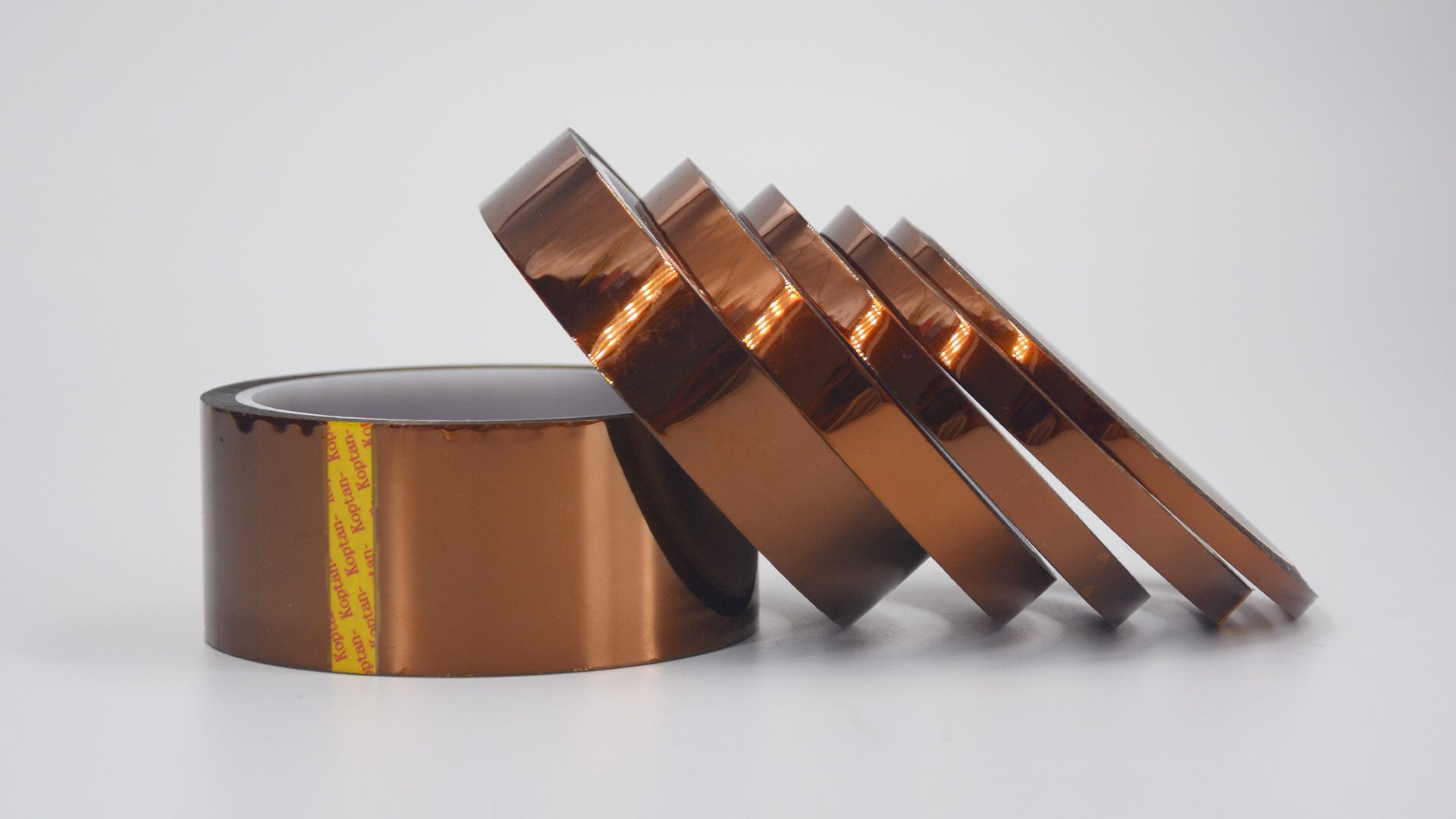
| High‑temperature polyimide tape | Polyimide film, silicone adhesive | Withstands 260°C, reflow‑safe | Gold finger masking during wave soldering, PCB protection |
| Kraft paper cleaning tape | Kraft paper + rubber adhesive | High initial tack, flexible backing | Surface dust removal in leather, textile, printing industries |
Cleanroom Tape vs. Ordinary Tape: Real Test Data
A well‑known German manufacturer conducted a comparative test with striking results:
| Particle Size | Cleanroom Grade Tape (particles/m²) | Ordinary Commercial Tape (particles/m²) |
|---|---|---|
| ≥ 0.3 µm | 1 | 351 |
| ≥ 0.5 µm | 0 | 146 |
This data is eye‑opening. That is why in ISO 5 cleanrooms, ordinary stationery tape is strictly forbidden. Those invisible submicron particles landing on a wafer could scrap an entire batch. Cleanroom tape is specifically manufactured and packaged to minimize particle shedding.
Typical Applications
Semiconductor/Electronics Fabs: Removing microscopic dust from wafer stages and bonder rails; sealing ESD‑sensitive device bags.
PCB Assembly: Masking gold fingers before wave soldering; removing dust after pick‑and‑place.
Optics & Precision Mechanics: Cleaning lenses, prisms, and inspection equipment; removing protective oil mixed with particles from precision guide rails.
Cleanroom Maintenance: Cleaning workbenches and control panels; creating temporary particle sampling surfaces.
Leather/Textile Industry: Quickly removing surface dust before coating or printing (tack level carefully controlled to avoid damaging the substrate).
Best Practices for Correct Use
Follow these guidelines to get the best performance from dust removal tape:
Activate before use: For a new roll, peel off the outer 1‑2 layers. In dry environments, use an ionizing blower on anti‑static cleanroom tape to neutralize static generated during peeling.
Apply proper pressure: Whether using a handheld roll or a dust roller, apply even, moderate pressure to ensure full contact between the adhesive and the surface.
Replace when dirty: Once more than 60% of the tape surface is covered with visible dust, cleaning efficiency drops sharply. Peel off the used section to expose fresh adhesive.
Single use only: Dust removal tape is designed for one‑time application. Reusing a section that already holds particles will cause secondary contamination.
Future Trends: Thinner, Cleaner, Smarter
Recent industry trends show adhesive tapes moving toward higher cleanliness and greater specialization:
Conductive non‑woven fabric tape: Ultra‑low resistance in both X‑Y and Z directions, providing both conductivity and shielding—ideal for high‑density assembly grounding.
High‑temperature polyimide tape with zero residue: After exposure to 260°C, it still peels off cleanly without chemical outgassing, protecting high‑value PCB yields.
Cleanroom‑grade labels and double‑sided tape: Provide reliable bonding strength while meeting cleanroom certification, supporting automated assembly lines with stringent consumables requirements.