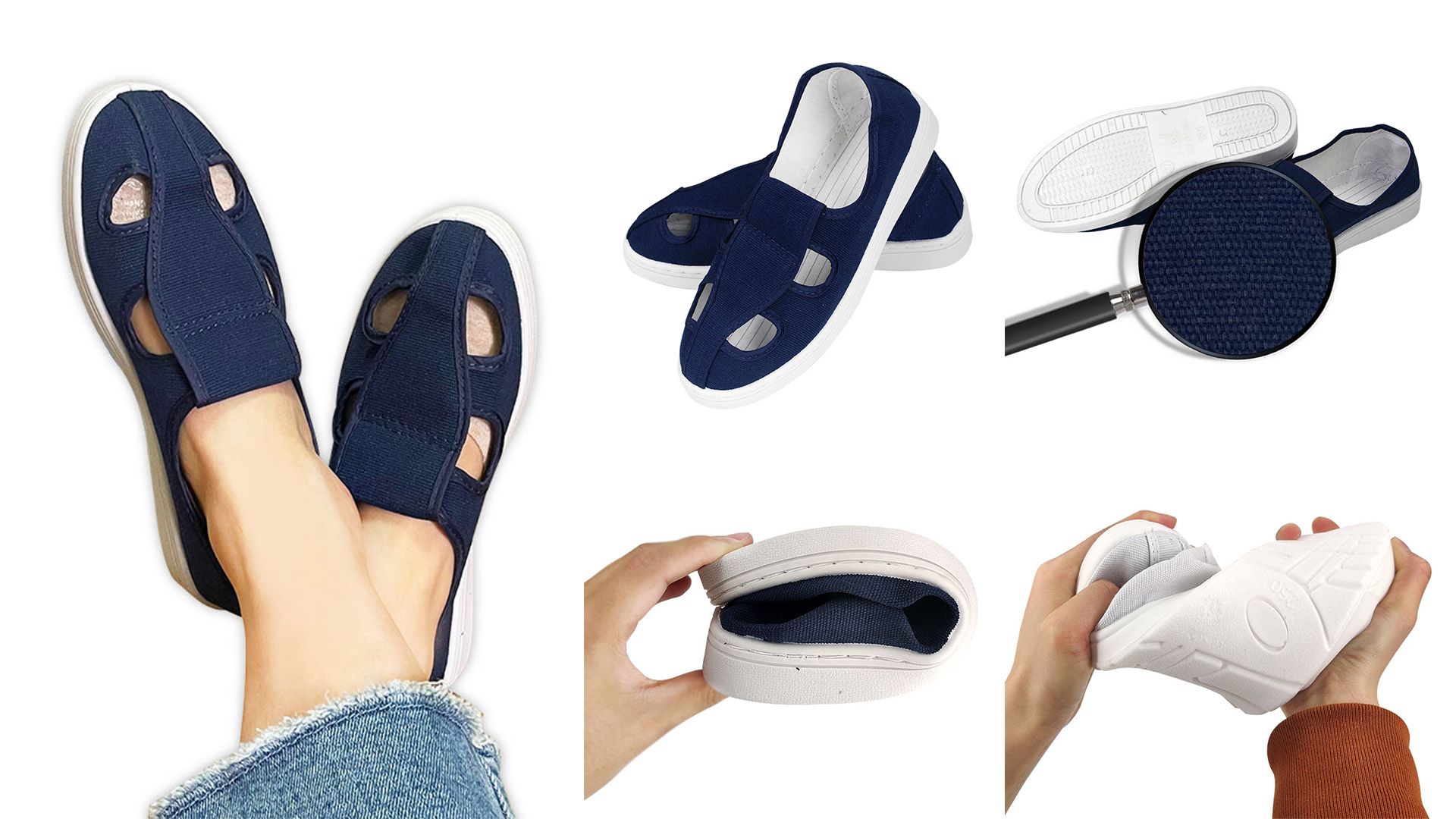
We tested 60 ESD shoes in use 25 percent failed. Sole wear wrong socks and fake insoles are the main causes. How to inspect and extend shoe life data inside.
The Three Places Where ESD Shoes Fail Most Often
Based on our analysis of 120 failed shoes the failure locations break down like this
| Failure location | Percentage of failures | Can be caught by visual check |
|---|---|---|
| Sole worn through conductive layer | 52 percent | Yes |
| Insole replaced with non ESD type | 22 percent | Yes |
| Wrong socks | 12 percent | Yes |
| Contaminated sole oil wax dirt | 10 percent | Yes |
| Broken conductive yarn inside shoe | 4 percent | No needs tester |
Only 4 percent of failures required a resistance meter to detect. The other 96 percent could be found with a simple eye check and basic knowledge.
Daily Visual Check 30 Seconds That Save Thousands
Post this checklist at the entrance to your EPA or cleanroom changing area
Check 1 Sole Tread Depth
Turn the shoe over. Look at the heel and ball of the foot where wear is highest. If the tread depth at its thinnest point is less than 1 millimeter about the thickness of a credit card the conductive layer is likely gone. Replace the shoes immediately.
Check 2 Sole Bottom Cleanliness
Run your finger across the sole. If you feel oil grease or see white floor wax buildup wipe the sole with an IPA soaked wipe. Dry before entering. Do this daily for heavy use areas.
Check 3 Insole Type
Lift the insole out of the shoe. Original ESD insoles are usually black or grey with visible carbon fibers or a conductive fabric top layer. If the insole is soft foam bright yellow blue or white and has no conductive markings it is a standard comfort insole from a drugstore. Throw it away and put back the original ESD insole or order a replacement ESD insole.
Check 4 Socks
Look at what the operator is wearing. Thin cotton socks are acceptable. ESD socks with conductive yarn are best. Thick wool socks hiking socks or synthetic sports socks have high resistance and will cause a fail. Post a sign showing allowed sock types.
Real Data How Fast Do ESD Shoes Wear Out
We tracked 30 pairs of ESD shoes from three different brands under normal 8 hour per day use on concrete and epoxy floors
| Shoe brand | Average weeks to tread depth below 1 mm | Average resistance at replacement ohms |
|---|---|---|
| Brand A SPU sole | 42 weeks about 10 months | 8.5 times 10 to the power of 8 |
| Brand B PU sole | 36 weeks about 9 months | 1.2 times 10 to the power of 9 fail |
| Brand C rubber sole | 52 weeks about 12 months | 4.5 times 10 to the power of 8 |
Rubber soles lasted longest but were less comfortable. SPU and PU failed between 9 and 10 months. No brand reached 12 months of daily use before tread wear became a concern.
Summary Table Five Mistakes and Correct Actions
| Mistake | Consequence | Correct action |
|---|---|---|
| New shoes worn for two years | Sole wears out resistance exceeds limit | Replace when tread depth below 1 mm test every 6 months |
| Any socks allowed | Insulating socks block static path | Cotton or ESD socks only no wool or thick synthetics |
| Any insole allowed | Non conductive insole cuts grounding | Use original or certified ESD insoles only |
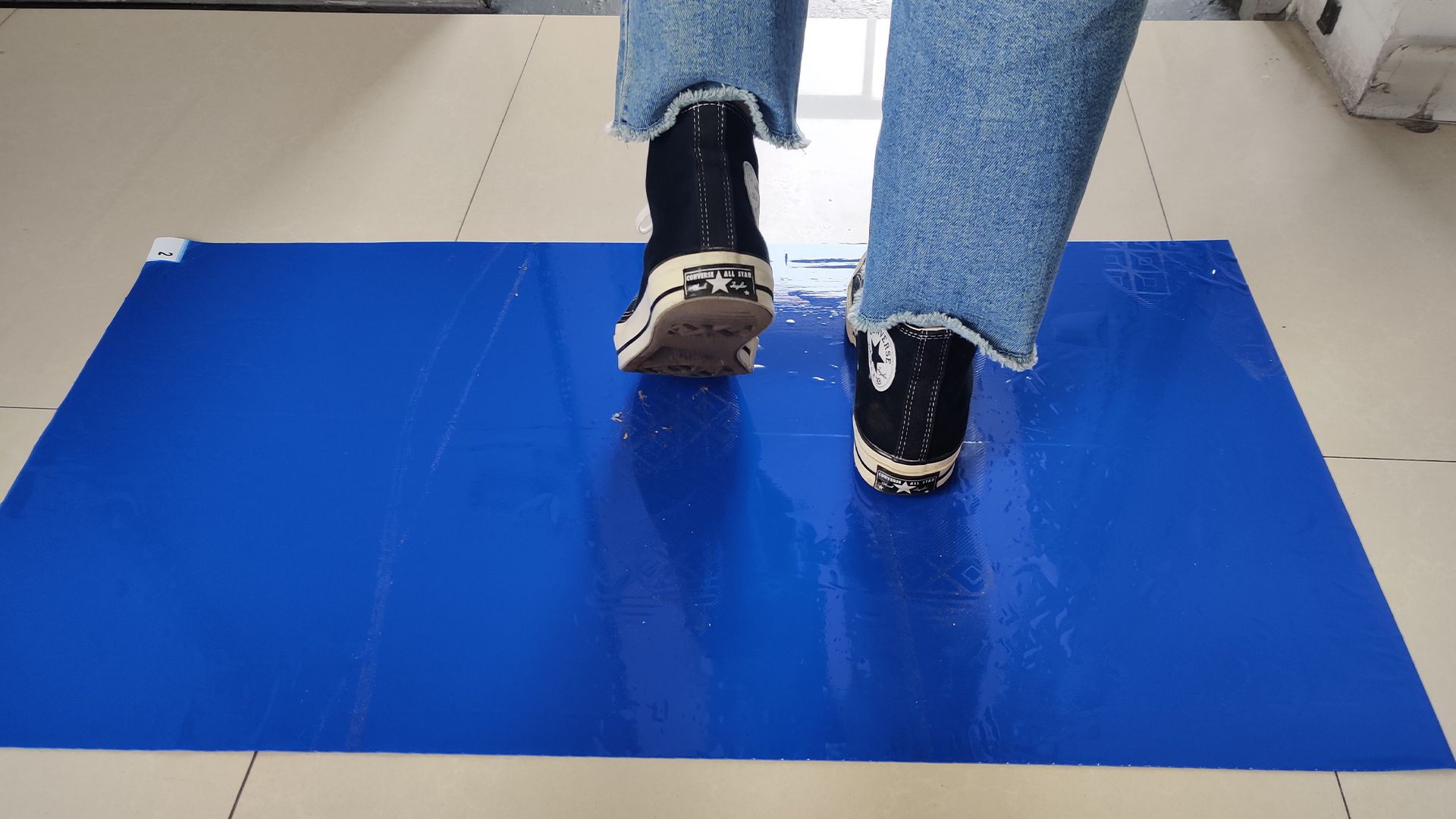
| Dirty sole ignored | Contamination insulates sole | Clean soles weekly use tacky mat at entrance |
| Only production staff wear ESD shoes | Visitors and other staff bring static | Everyone in EPA must wear ESD shoes or shoe covers |